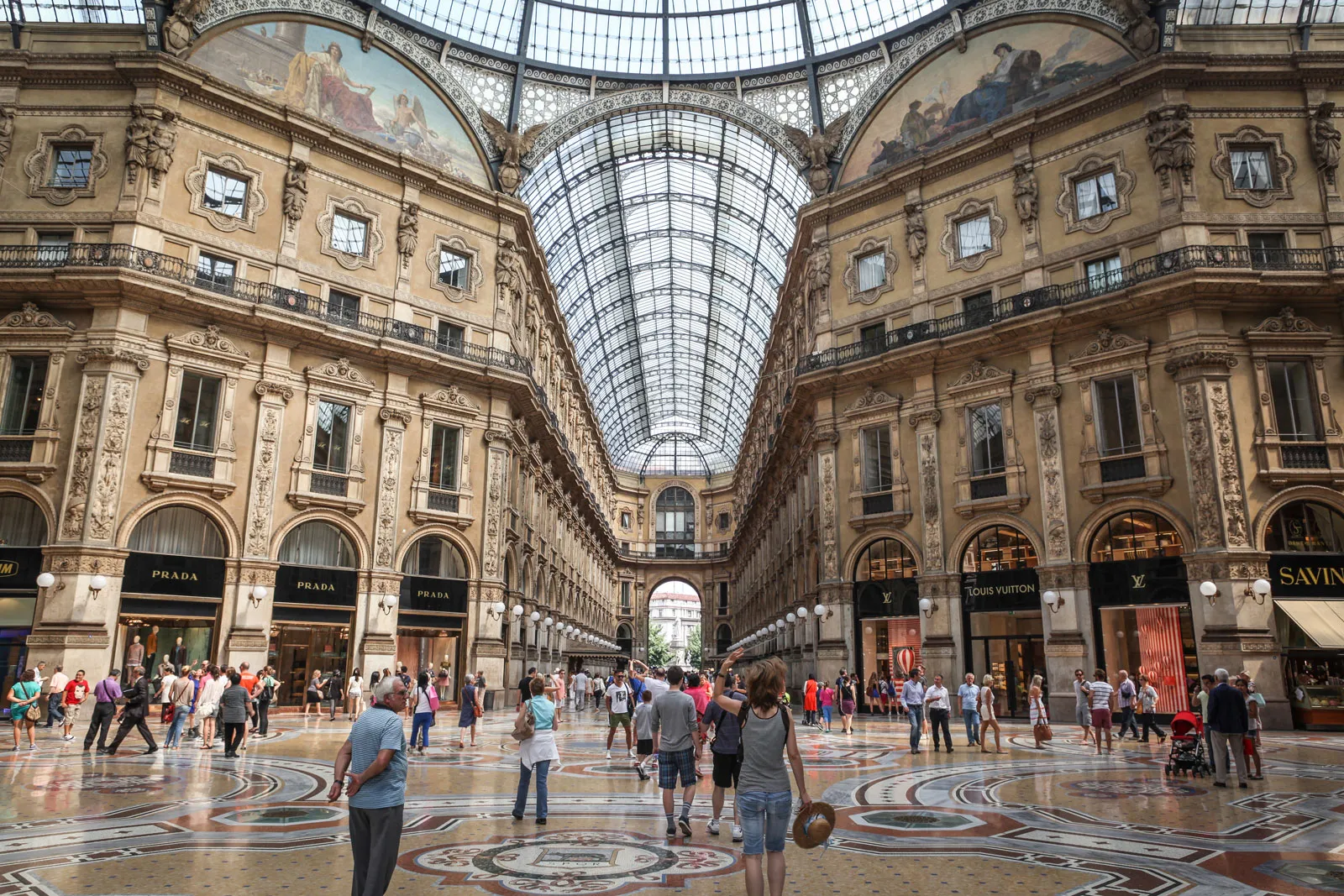
Milan is Italy’s modern metropolis: the 2nd largest city, the financial center—and the center of the cool industries for which Italy is noted, fashion and design. But it also has a lot of history, including LGBT+ history! This afternoon, we visit Milan’s most famous landmark, the cathedral, Italy’s most important Gothic monument, with its amazing combination of solidity and lightness. Just wait till we get up on the roof, among the forest of spires! We then take a stroll out of Piazza del Duomo into “Milan’s living room,” the stunning Galleria, the queen of shopping malls—19th century shopping malls that is. The Galleria has been here since the first years of Italian national unity and still contains some of its oldest and most prestigious stores and cafés, such as Camparini, the house bar of the Campari company. We then walk out into the so-called Quadrilatero della Moda (the fashion rectangle). Milan is the home of many of the world’s most famous fashion houses: Armani, Versace, Valentino, Prada, Missoni, Ermenegildo Zegna, and more (with plenty of gay history of their own!). And this is the center of their world, where among other things, Milan Fashion Week takes place. Finally, we take off for the city’s hippest neighborhood, the Navigli (pronounced Navílyi). The Navigli are a system of canals, built in the middle ages to connect landlocked Milan to Northern Italy’s major river system, and redesigned by Leonardo Da Vinci, the quintessential Renaissance man—artist, scientist, engineer—and the ultimate gay genius! In recent years, the neighborhood of artisans’ workshops along the canals has become a warren of chic restaurants, cafés, and art galleries. Our welcome dinner will be in a lovely café right on a canal, where we begin to get acquainted with Milan’s culinary specialties, such as (of course) risotto alla Milanese and cotoletta alla Milanese.
Hotel (5 nights):
Hotel Ibis Milano Centro: a comfortable hotel right in the Porta Venezia shopping district and around the corner from the via Lecco, Milan’s main street of gay bars (and the hotel itself has a great bar!).
Day 2. Sat Sept 26
The Great Teatro Alla Scala
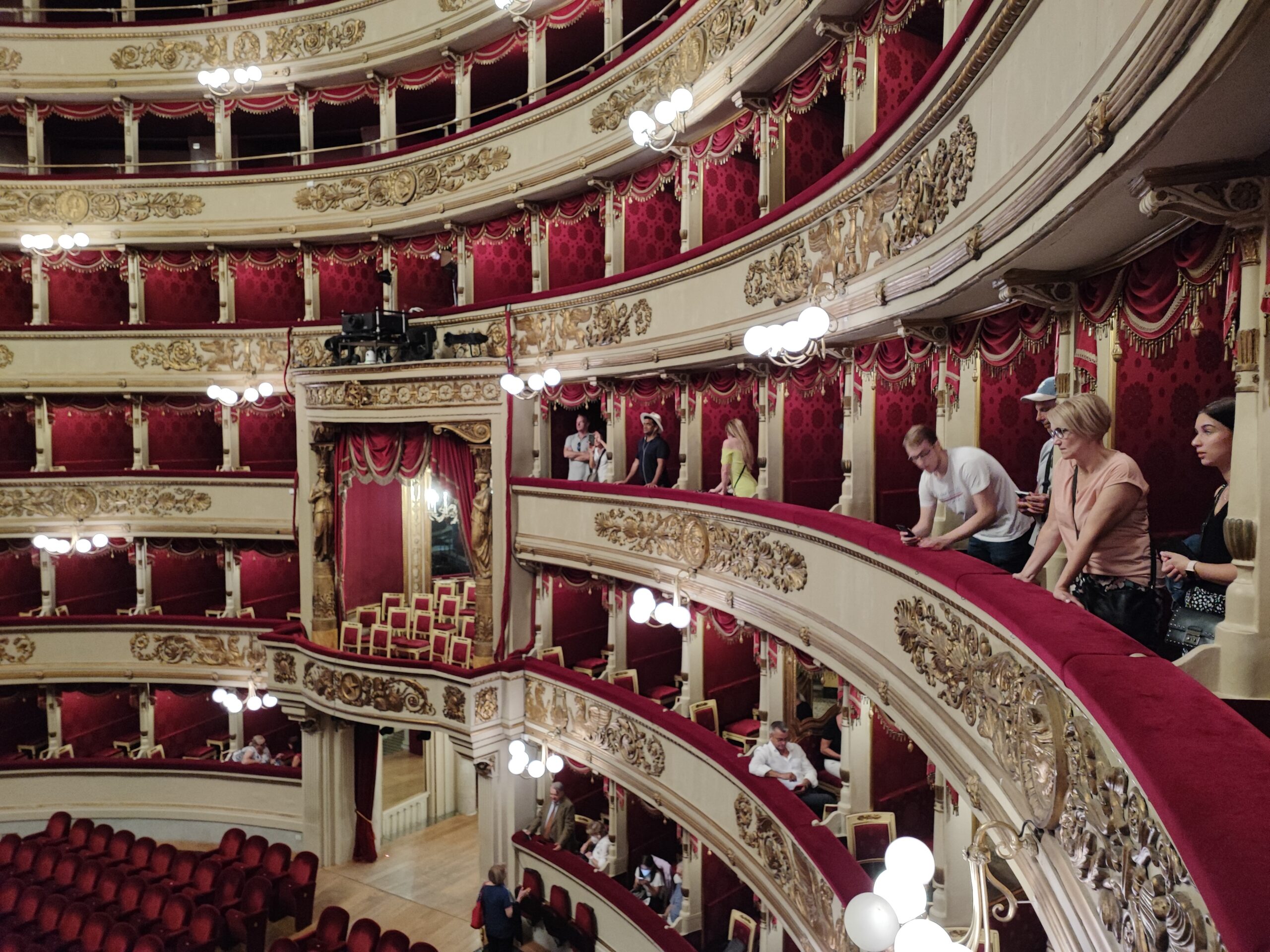
This morning we start on the other side of the Galleria, at one of Milan’s greatest treasures, the Teatro alla Scala, one of the world’s great opera houses. The Scala, which has been here for almost 250 years, has amazing acoustics and an amazing history. Today, I think most people associate it with Toscanini’s long career here and Maria Callas’ troubled relationship with the house (and of course with more recent greats like Claudio Abbado and Riccardo Muti) but the longer history is equally splendid: this is the theater where so many famous operas have premiered, such as Bellini’s Norma, Verdi’s Otello, and Puccini’s Madame Butterfly and Turandot! We visit the Scala museum this morning; our tour may even include a chance to look at the theater. After our tour of the Scala museum (and perhaps a coffee—we are in Italy, after all) we will take a tour around Milan’s arts and design district, the Brera neighborhood, around the Brera museum and its famous art school. Today you have a free afternoon, for shopping and more museums (or modern architecture!).
This evening, we will try to get tickets (not always easy!) to go to La Scala for real (as it were), to see the currant production, La Traviata—really the perfect thing for a trip to Italy! Let us know as soon as possible if you are interested!
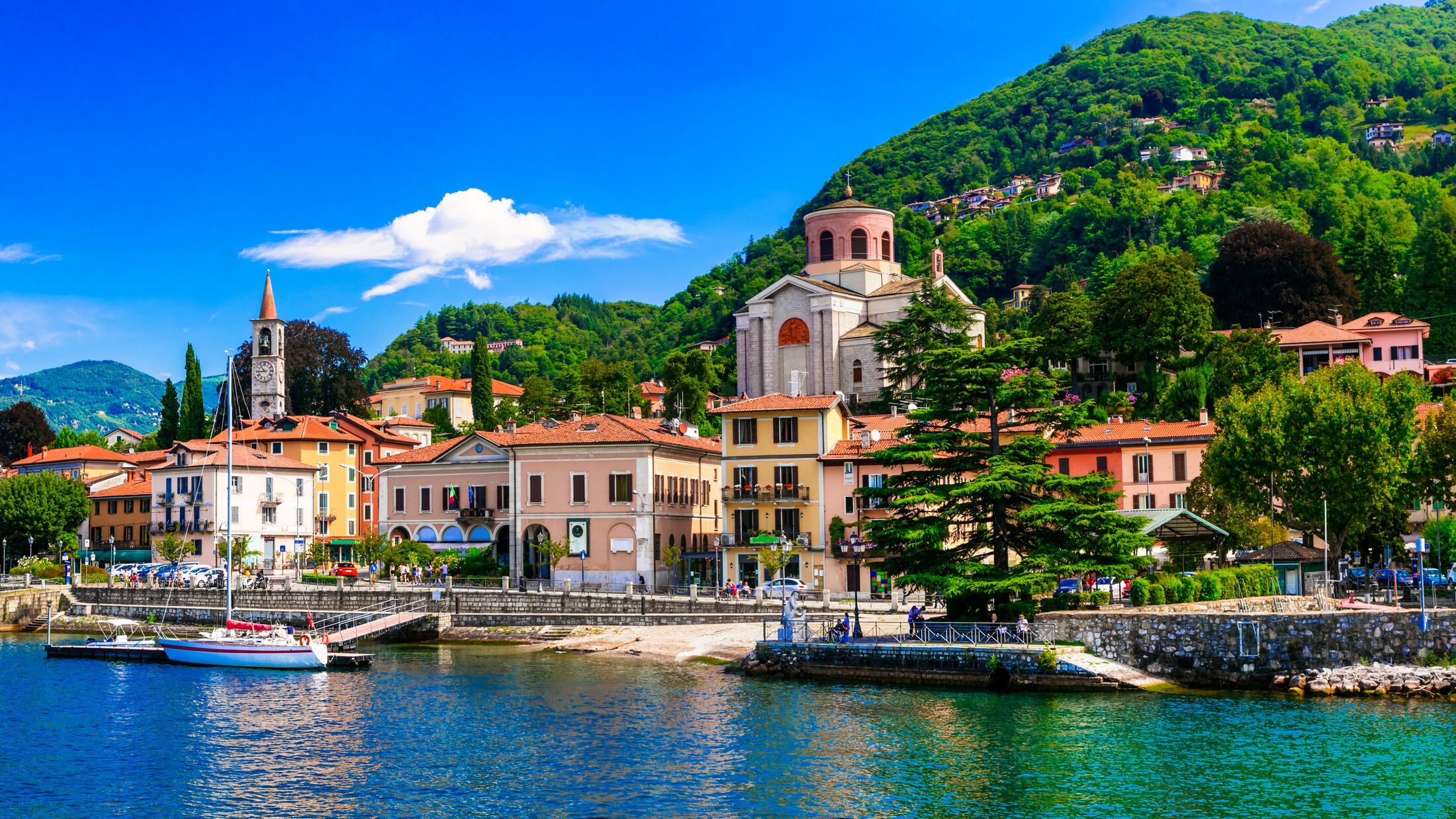
REMEMBER YOUR PASSPORTS! Today we go visit the famously beautiful Lake Region, just to the north of Milan, on the Swiss border. In the morning, we stop in the fashionable resort town of Stresa, on Lago Maggiore, Italy’s 2nd largest lake, and take the ferry out to the amazing island-creation of Isola Bella, one of the great masterpieces of the Baroque, created in the 16th and 17th century by the princely Borromeo family on what was originally a barren, rocky island. We should be right in the middle of the rose season, which goes particularly well with the island’s resident white peacocks! After a lovely lunch at a hillside restaurant with panoramic views of the lake, we then drive into Switzerland, to the town of Ascona, the ultimate artists’ colony of the early 20th century, where people like D.H. Lawrence, Hermann Hesse, and Erich Maria Remarque (and Professor Lear’s grandparents!) came to relax and be inspired. Among them was a fascinating gay figure, an Estonian aristocrat poet, artist, and philosopher named Elisàr von Kupffer, who came here with his partner to build a temple to their new religion, Clearism, with a collection of 16 murals featuring *84* male nudes, mostly (it seems) based on the young von Kupffer. This little known (and difficult to visit) monument to the gay world of the 1890s-1930s will astonish you! Note that von Kupffer also published in 1899 a collection of literature on the theme of male-male love as a protest against the prosecution of Oscar Wilde.
Also, for Professor Lear’s fans: you may know that it is generally believed (in the Harvardian world where Professor Lear and André Aciman originally knew each other) that Elio’s childhood—living in a big house on the water in Northern Italy, with a famous professor father, speaking French, Italian, and English—is based on Professor Lear’s childhood. If so, then today, we will be driving by the place where the real Elio lived—before visiting the places where Hollywood Elio lived tomorrow….
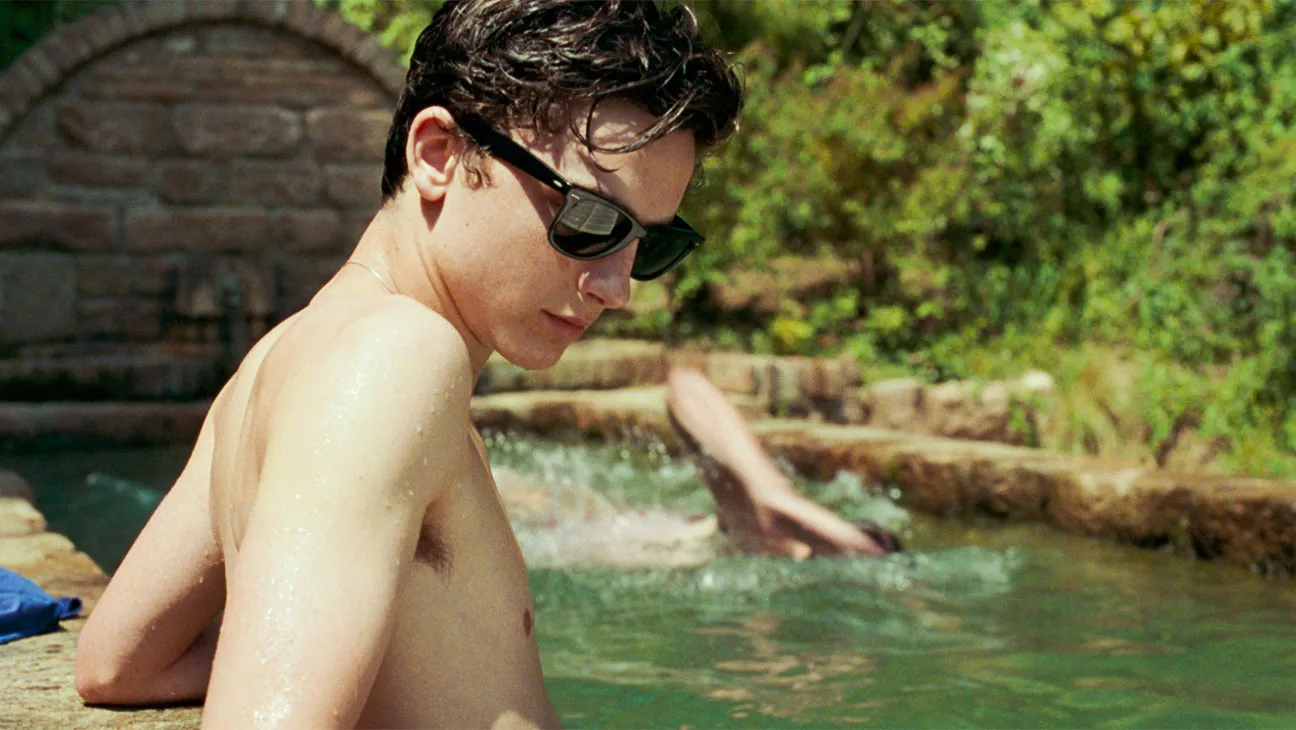
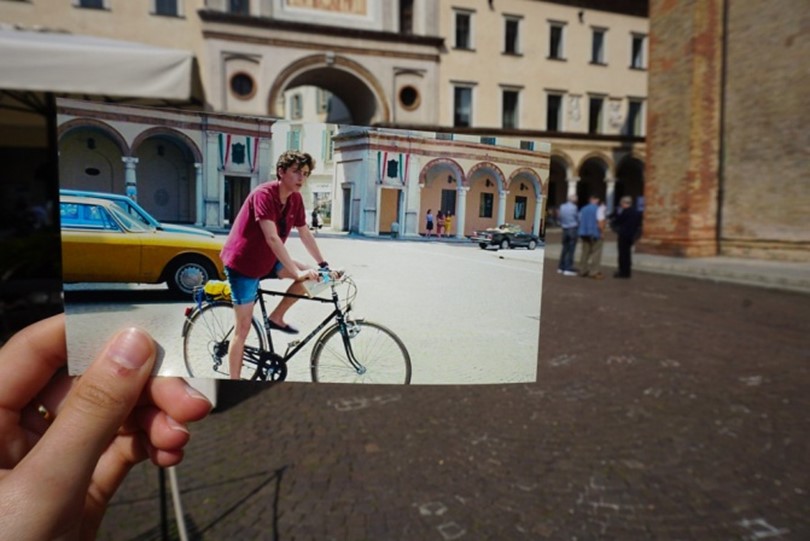
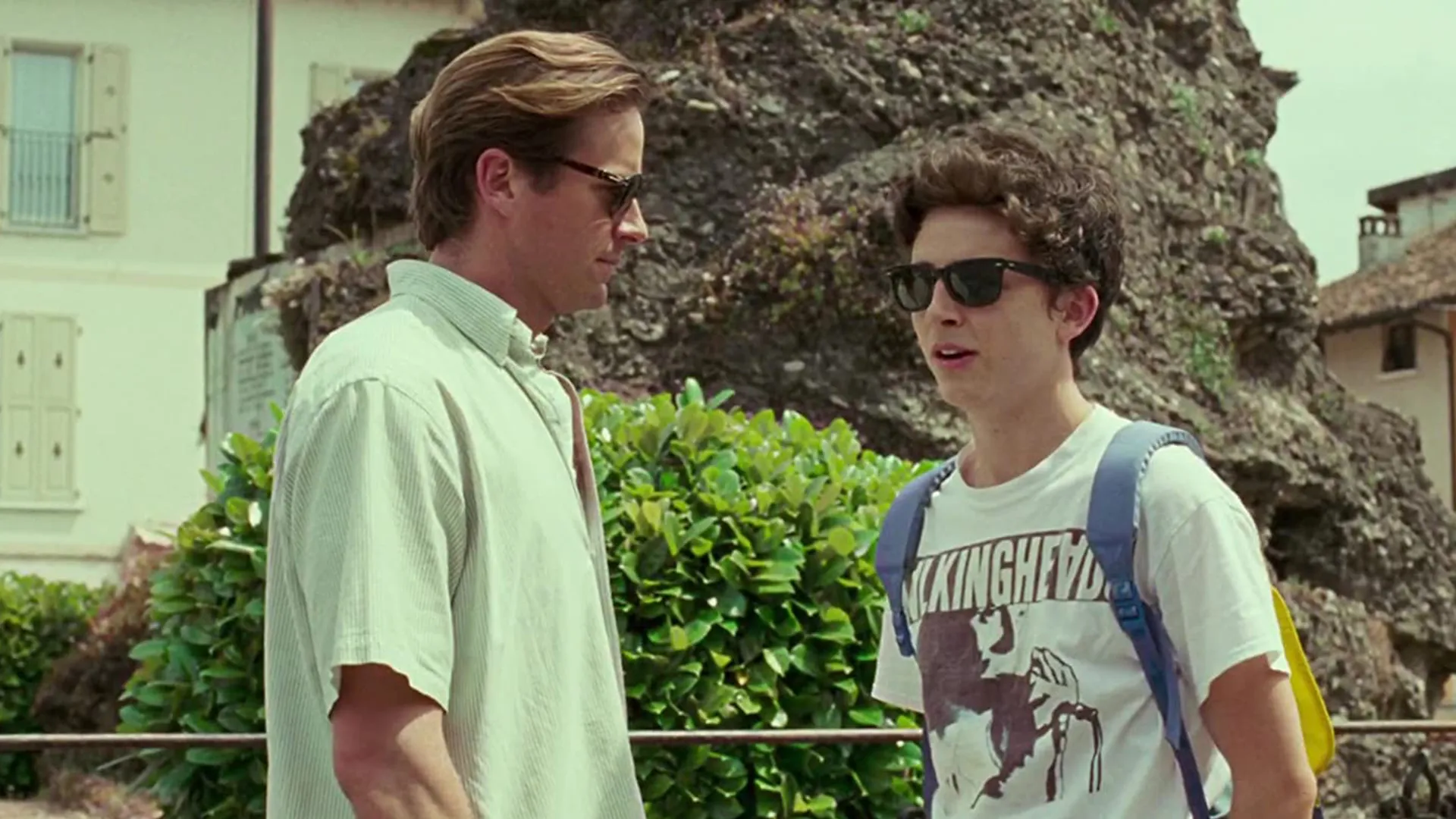
One of the amazing things about Italy is the number of beautiful, charming small cities. Who (outside of the area of Milan) had ever heard of Crema before Luca Guadagnino decided to set his movie of Call Me By Your Name in his home city? Today we go just an hour outside Milan into the countryside and explore the cities where Guadagnino filmed his move: Crema, Pandino, and Moscazzano. We will see the palace where Guadagnino lived for many years—and where Timothée Chalamet’s piano teacher still lives—and the places where many iconic scenes from the movie were set, from the doorway where Oliver tells Elio that he wishes he could kiss him to the World War I monument where Elio tells Olliver (not very obliquely) that he is a virgin, to the pond where they finally start necking. And for lunch, we will go to a restaurant that specializes in tortelli cremaschi—the ravioli-like local specialty that Mafalda and her friend are making in the kitchen! We will learn how to make them ourselves and then have them for lunch!
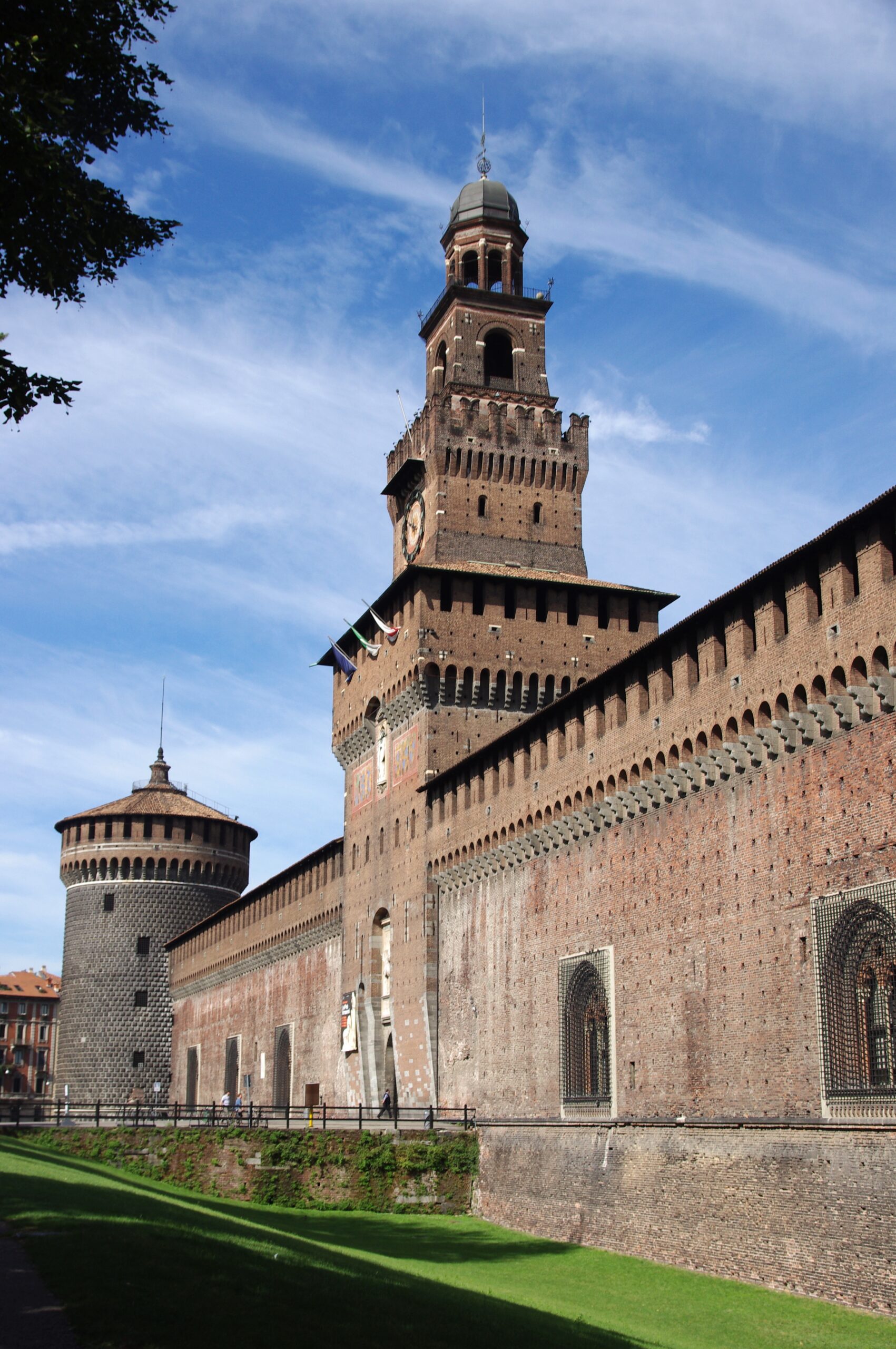
Our last day in Milan is dedicated to perhaps the greatest of the many gay geniuses, Leonardo Da Vinci. We start our day with one of the tour’s artistic highlights: the amazing Last Supper that Leonardo da Vinci painted in the refectory of the Dominican monastery of Santa Maria delle Grazie. This painting, which astonished contemporaries with its realistic sense of space and its lively portrayal of complex emotions, initiated the High Renaissance; indeed, along with Leonardo’s Mona Lisa, it is one of the most influential paintings of all time. This is an all-Leonardo day, and along the way, we will learn the story of Leonardo’s life and of course of his love for the assistant he called “Salaì” (the devil)—whose face may have influenced the Mona Lisa! After one last traditional Milanese lunch, we go to the Pinacoteca Ambrosiana (the St Ambrose library, and art gallery) where we can see one of Leonardo’s best-preserved paintings, as well as a rotating exhibit from the museum’s astonishing collection of Leonardo’s drawings and manuscripts. Finally, we see Milan’s castle, now a cultural center with several museums—though long a hated symbol of tyrants and foreign domination. In Leonardo’s time, however, it was the principal residence of his great patron, Lodovico il Moro, Duke of Milan, for whom (while working in his customary dilatory fashion on a perhaps unrealistically massive equestrian monument to the Duke’s father) Leonardo served as decorator and party-architect. Evening free.
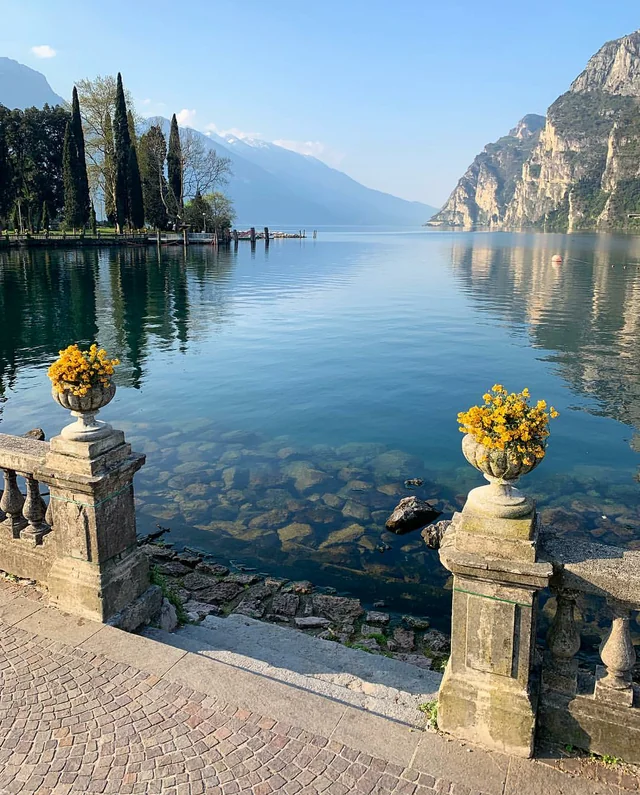
Today, after 5 days in Milan and Lombardy, we take off to the East, to the Veneto, the province of Venice. On the way, however, we stop at yet another one of the Italian lakes—and according to many, the most beautiful of them—the Lago di Garda, where we visit the so-called Grottoes of Catullus—the ruins of a Roman lakeside Villa connected with the bisexual rockstar poet of ancient Rome, Gaius Valerius Catullus—who probably didn’t live here, but did live on this peninsula (a word he invented to describe it!). And you have seen this area too in Call Me By Your Name, because it is where Professor Perlman’s colleague has discovered an ancient statue in the lake. We then visit the charming town of Sirmione, where among many other celebrities over the years, Maria Callas (one of the ultimate gay icons, no?) lived with her husband Giovanni Meneghini, whom she abandoned for Ari Onassis. We have lunch in Sirmione and late in the afternoon drive to Verona.
Hotel (3 nights): Hotel Giberti, an elegant, modern hotel only 10 minutes walk from the ancient Roman arena and the historic center of Verona.
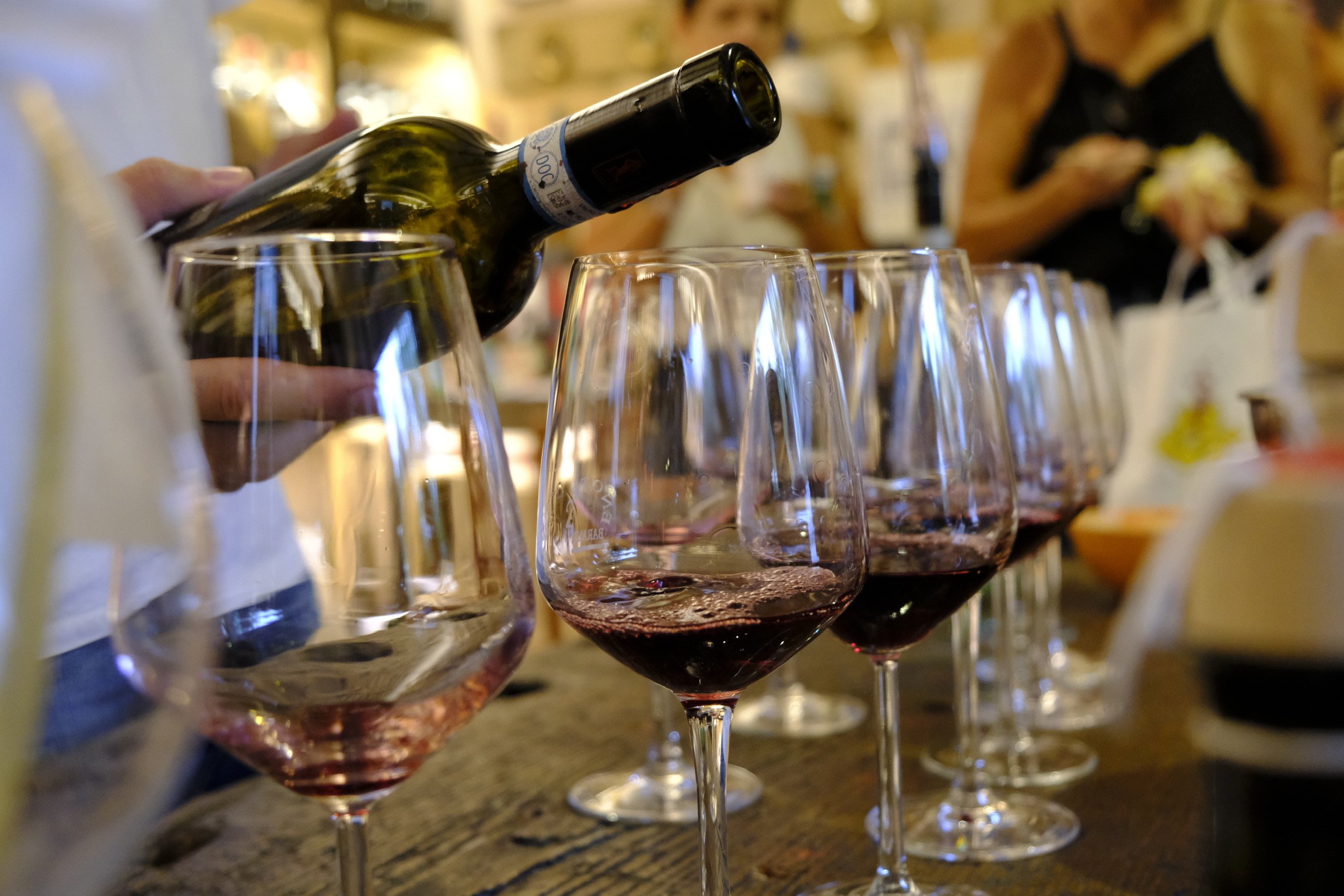
Verona is mainly known for 2 things: the Roman amphitheater where the world’s most famous summer opera festival takes place and the story of Romeo and Juliet. Today we will learn about the story of Romeo and Juliet, which is of course a legend—but has many real connections to Verona. And we will visit the city, which is truly one of the most beautiful of northern Italy’s many beautiful cities, and in a superb area for food, wine, and cheese. Think of cheeses like Asiago (truly one of the greats) and wines like Valpolicella, Amarone, Bardolino, Soave, and Lugana. So this is a big day for food! First we have a great lunch in a place right on the Piazza Erbe, Verona’s main square, with local specialties like bigoli (a pasta shape typical of the Veneto) and risotto all’Amarone—our first encounter with our second regional cuisine, the food of the Veneto. And then we take off for the countryside of the Valpolicella region for tastings of wine, cheese, prosciutto, and salame!
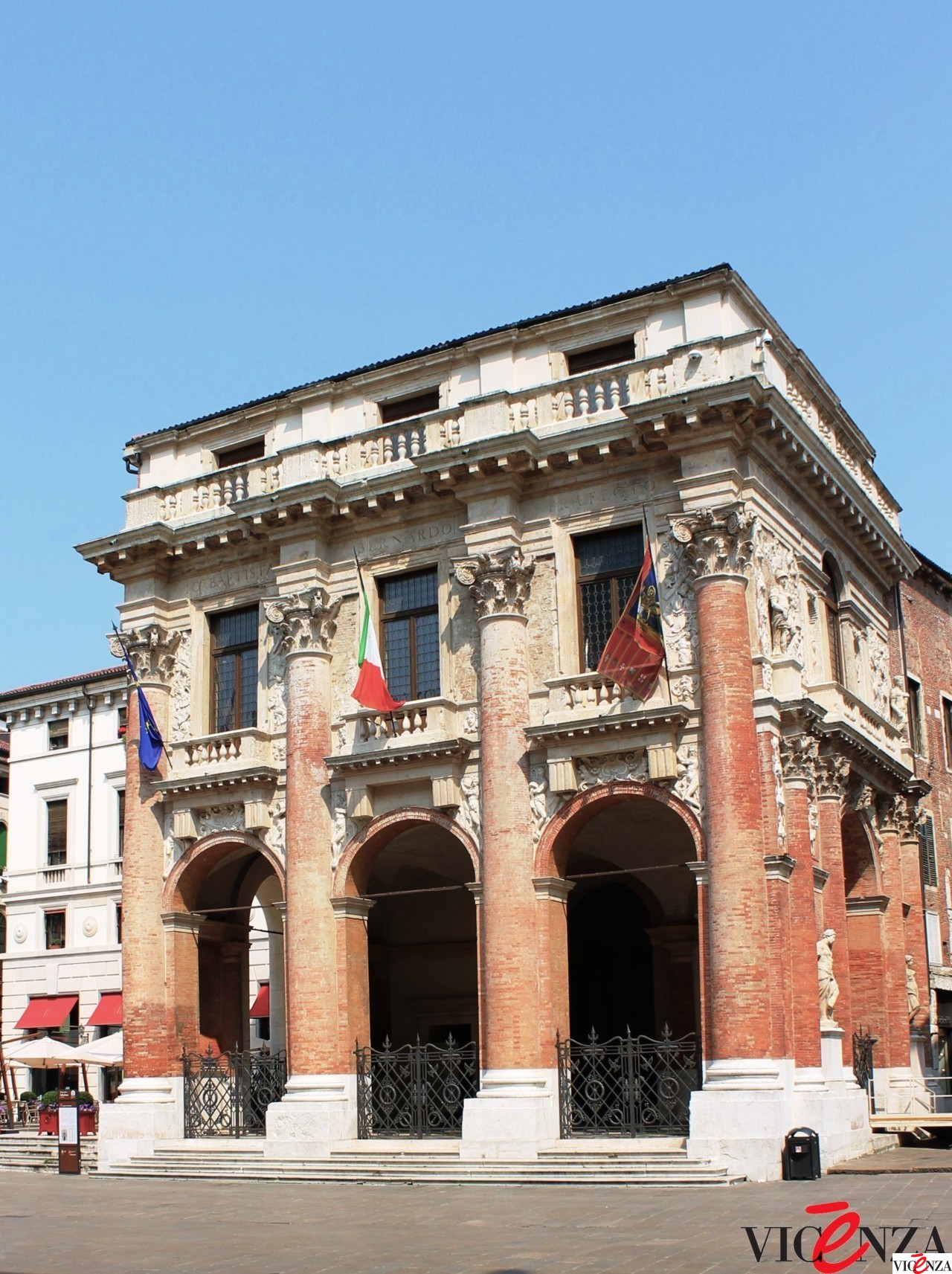
Today we take an excursion to another (even more?) charming city in the area, Vicenza. Vicenza is mainly known as the home of the great architect Andrea Palladio, and the city is full of his works, as is the surrounding countryside. In the morning, we visit two nearby country villas: first the most famous, the Villa La Rotonda, the model for Thomas Jefferson’s Monticello, and then, just a few hundred meters away, a villa with many frescoes by Veronese (a nom de plume which just means “the man from Verona”), including, in a corner, a little gay/trans detail which will start off our discussion of Venice and sexuality…. Then another truly spectacular lunch at a bistro known for its fabulous cellar of local wines. After lunch, we will visit the city, especially Palladio’s Basilica and his lovely Teatro Olimpico, still with its 16th century sets for a production of Oedipus Rex.
Note btw that the famously handsome Italian swimmer Thomas Ceccon is also from Vicenza, so let’s keep our eyes open when we’re there…. Maybe he’ll be sleeping in a park….
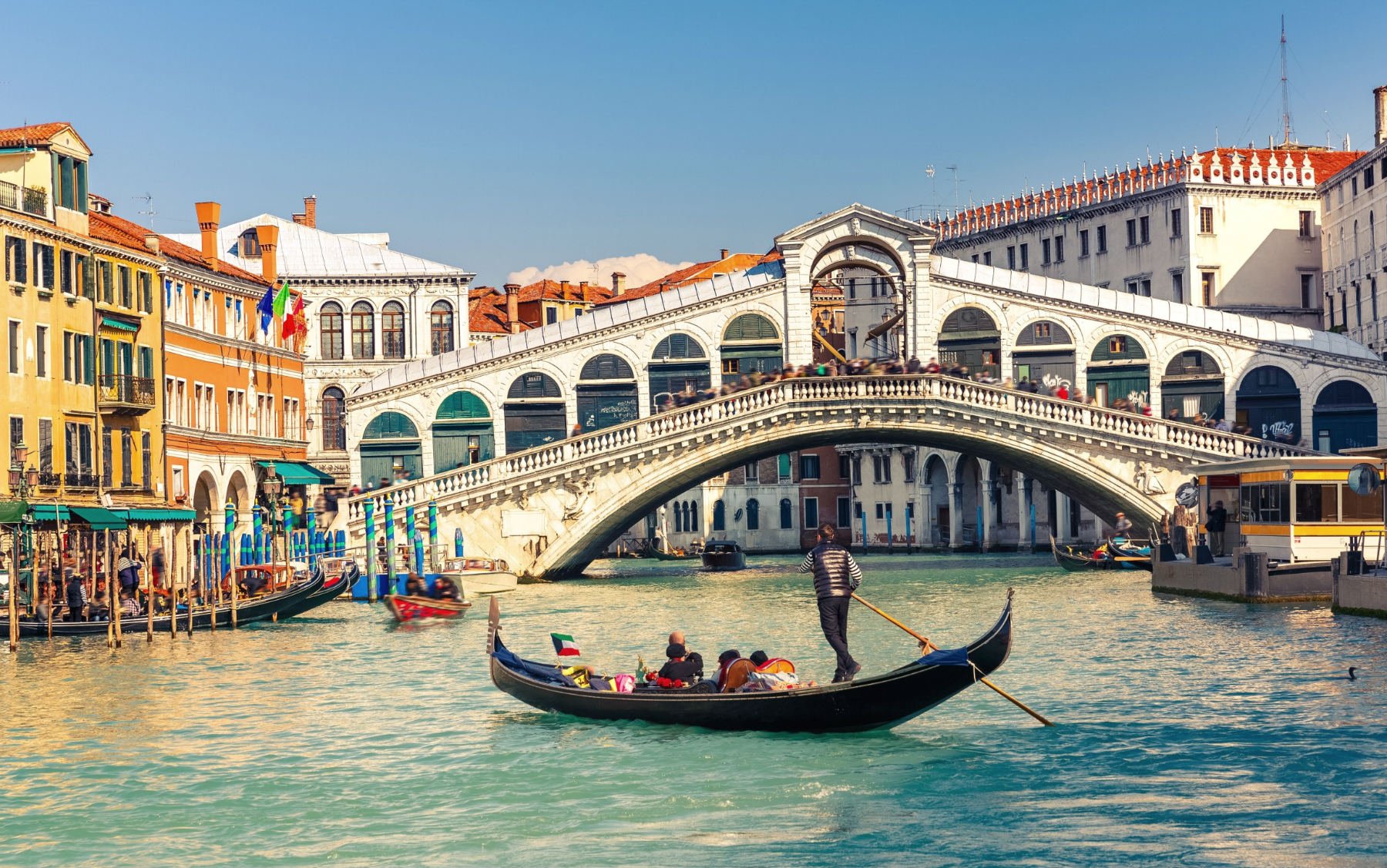
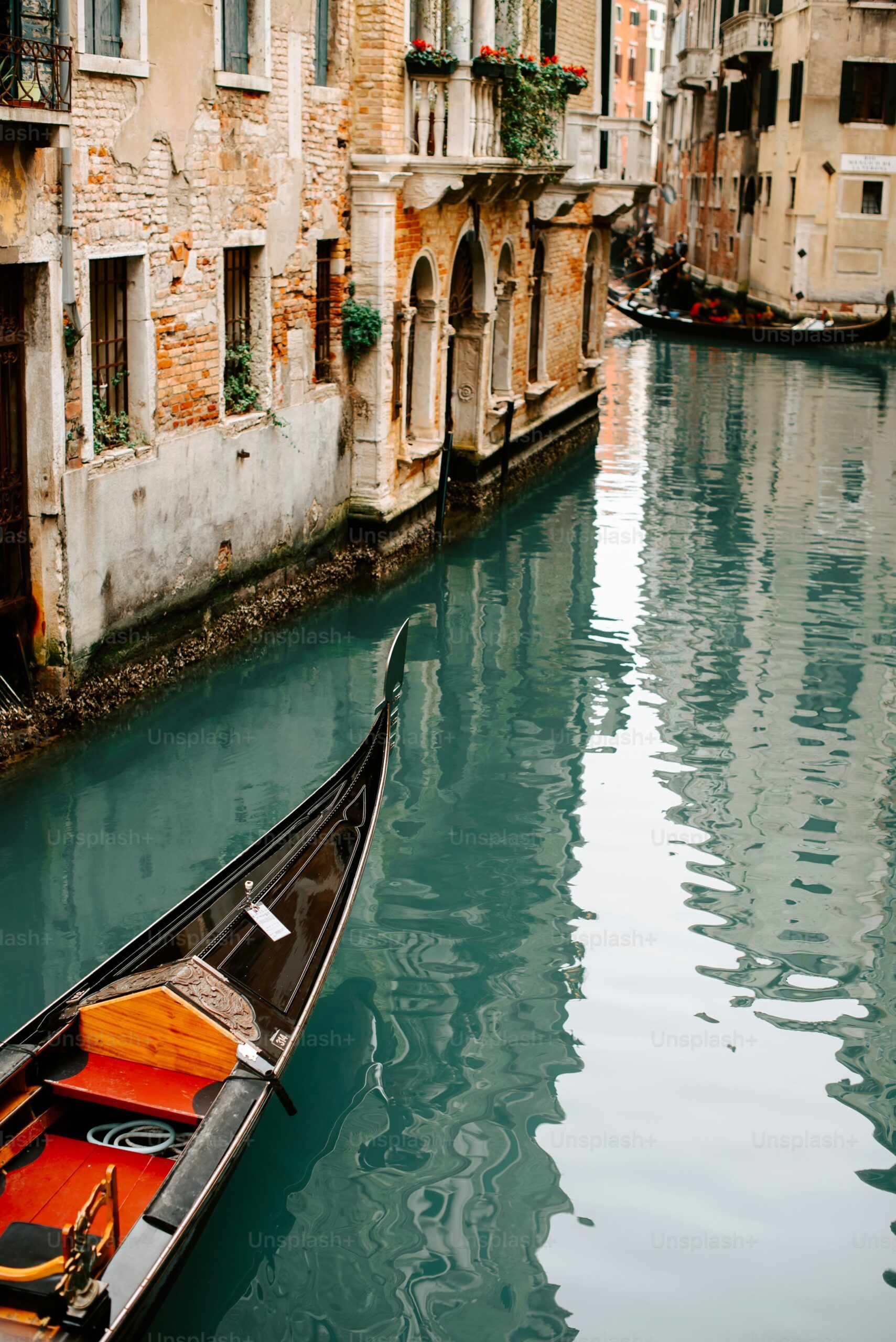
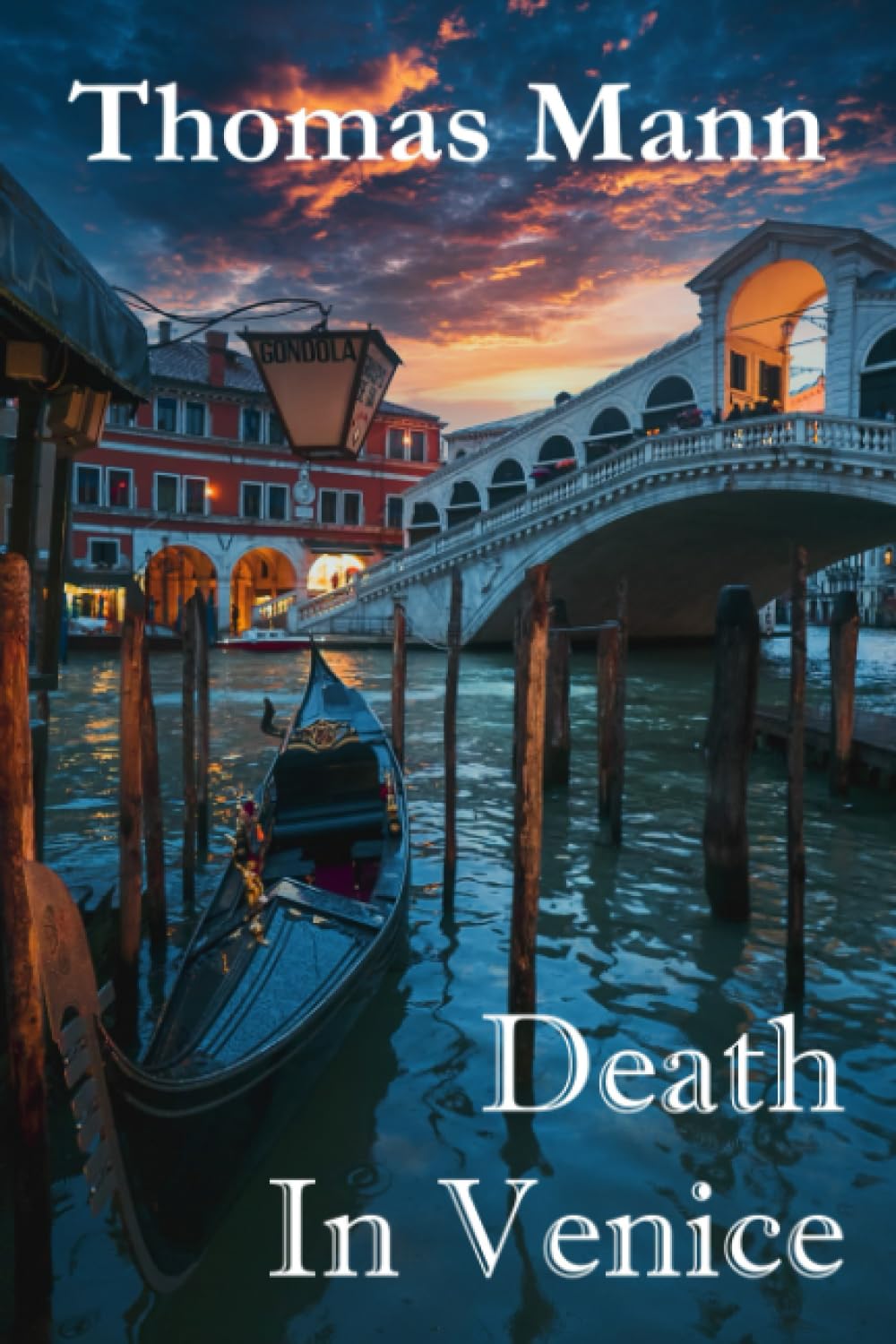
Today we reach our final destination, the city which is not just beautiful, but gorgeous, Venice, the Pearl of the Adriatic—and the European city with the raciest history outside of Paris. We will spend two days here, exploring its splendid palaces and churches and the steamy history that took place in them. This morning we do a walking tour, while leaning into Venice’s Venice’s long history as Europe’s freest and sexiest city, from the early (think Renaissance) porn industry and the great courtesans that (probably) modeled for Titian to the libertine 18th century and the sex tourism side of the Grand Tour—lasting until the early 20th century. And of course we will emphasize the LGBT+ side of all of this, from a 14th century trans (?) prostitute named Rolandina to the gnaga (again, trans?) masks of the 18th century Carnival to probably the most famous of all gay novels, Thomas Mann’s Death in Venice (and Visconti’s 1971 film version, starring great gay actor Dirk Bogarde and “the most beautiful boy in the world,” Björn Andrésen) and many other gay historical figures who lived and loved here, such as Serge Diaghilev and Cole Porter. For lunch, we go to a rarity in the center of Venice—a restaurant that is popular with locals—for some typical Venetian cuisine (think fish antipasti!). After lunch, we visit the city’s stunning main square, the Piazza San Marco, and the famous basilica cathedral, that astonishing combination of Byzantine and Gothic architecture, decorated with statues and marbles from the sack of Constantinople in the 4th Crusade.
Hotel (2 nights): Hotel Santa Marina. A charming, historic hotel on a quiet square right in the heart of Venice, a 10 minute walk from either the Rialto Bridge or the Piazza San Marco.
Casanova, and a final dinner
This morning, we visit the other fabulous building on the Piazza San Marco, the Doge’s palace, and also the prison annex, including the so-called Leads (Piombi) up under the roof of the palace, from which one of Venice’s iconic heroes, Casanova (98% straight, but fun anyway) escaped to continue his career as a mountebank and mass seducer (said to be the model for Don Giovanni in the Mozart libretto, written by another fun, multi-faceted Venetian character, Lorenzo Da Ponte).
Your afternoon is free, to explore museums and churches and/or to shop. Maybe a coffee at the Caffè Florian—arguably the first café in the world? Or a drink at Harry’s Bar? Known for its connection to Ernest Hemingway—but also a favored hang-out of Toscanini, Charlie Chaplin, Orson Welles, and so on—also where drinks like the Bellini were invented, Harry’s was closed by the fascist government during WWII because of its gay and Jewish clientele. Whatever you do this afternoon, this evening we will gather for one last, fabulous Italian meal—right on the Grand Canal of course—to celebrate northern Italy’s beauty and gay history—and the new friendships we will have made.
Our tour ends with breakfast this morning, but join us for our following tour of three more very gay Italian cities, Florence, Naples, and Rome—from Caesar to Michelangelo and Beyond—and of course please let us know if you would like help with further travel arrangements.