1.646.560.3205
andrew@oscarwildetours.com


About this trip
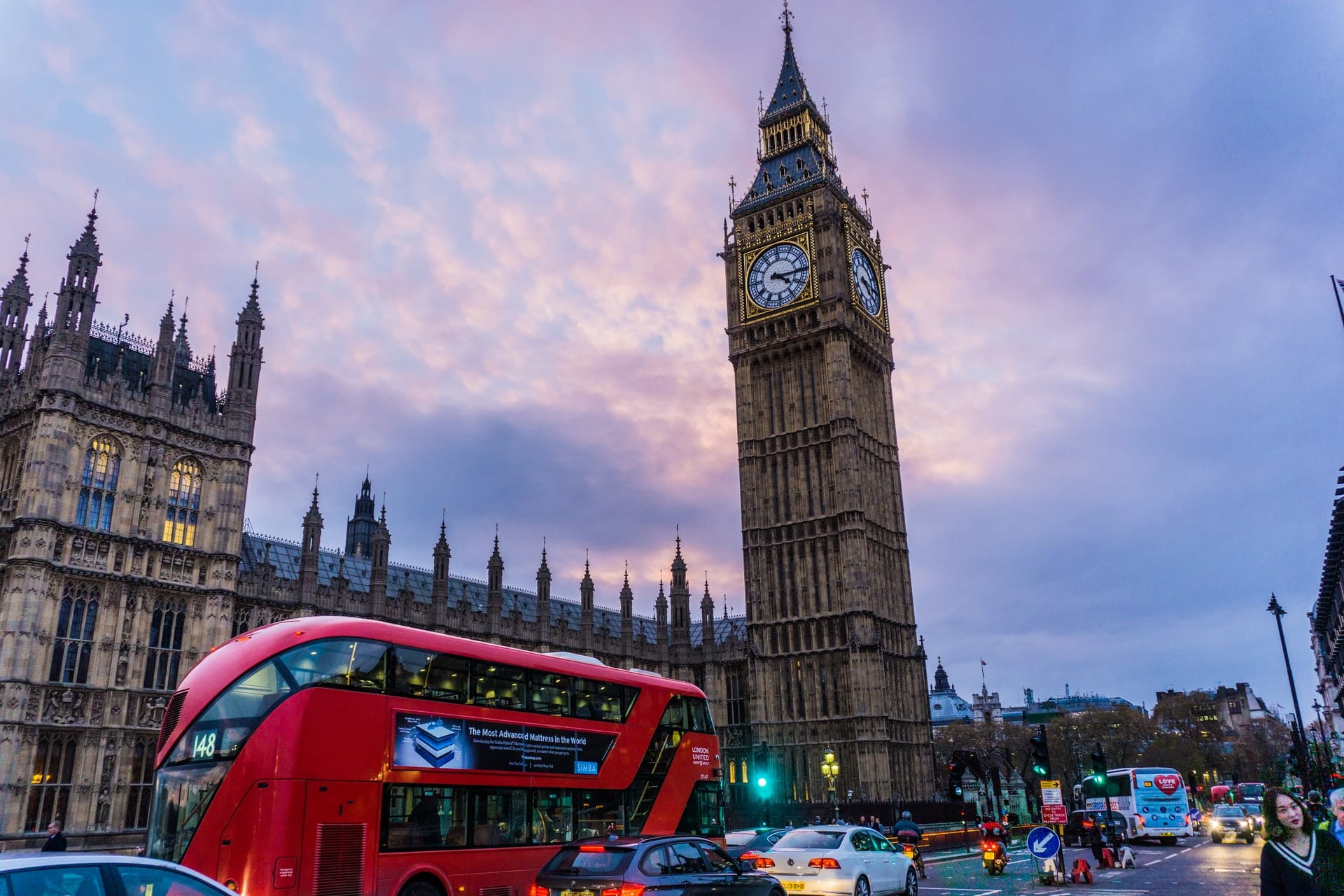
From Edward II to James I and Queen Anne, Anne Lister to Lord Byron and Lawrence of Arabia, William Shakespeare to Oscar Wilde and Noel Coward, Alan Turing, Virginia Woolf—not to mention Brideshead Revisited, Another Country, My Beautiful Laundrette, Maurice, Wilde, Queer as Folk, God’s Own Country, Gentleman Jack, The Favourite, All of Us Strangers, Heartstopper—no other country offers quite such a panoply of amazing LGBTQ+ historical personalities and stories as Great Britain. And there are also a number of amazing places you can visit that had major roles in these stories and lives. Many of these are of course in London, such as the National Portrait Gallery (truly the gayest portrait gallery on earth) and the Cafe Royal (where, in a scene you may have seen in Wilde, George Bernard Shaw and Frank Harris attempted to persuade Oscar Wilde to drop the law case that led to his imprisonment). But many of them are outside of London, in Oxford or Gloucester or Bath or Brighton—but especially in the historic houses of the countryside, what Brits call “Stately Homes,” from Shibden Hall in the North—the home of “Gentleman Jack” and her wife, the couple that held the first gay marriage in British history in 1834—to Charleston Farmhouse and Monk’s House in the South, where the whole Blooomsbury gang “loved in triangles,” as the saying goes (and where Woolf wrote Mrs Dalloway before, sadly, committing suicide).
A tour to see it all
And this is the tour on which you can see it all–or as much as we can cram into 9 days (plus a 2 day extension to York). This tour is a pet project of our founder, Professor Andrew Lear, organized in collaboration with a whole team of local experts, including Nick Collinson of English Heritage , Devon Cox (author of The Street of Wonderful Possibilities), and Dan Vo (the originator of the LGBT+ tours of the V&A)—who will appear at various moments in the tour, to speak about their expertise. Oscar Wilde Tours’ trips are alway special, but this will be even more so, with special events still in planning (including, we hope, tea in the Wildes’ house in Chelsea). Plus a lot of free time in London: during the tour, we have Friday and Saturday afternoon/evening free for shopping, more museums, theatre, opera, ballet etc. And when we return to London, we will take Saturday off before the York extension, for more entertainment.
All this and more
All this, plus, as always with Oscar Wilde Tours, excellent hotels, great restaurants, and a welcoming and fun group of LGBT+ guests. In short, this will be a spectacular tour: even if you have been to England many times before, we will take you to many places you haven’t been, in London and around the country, and show you the fascinating LGBT+ side of it all in a way that no other tour could possibly offer. And if you haven’t been, what a way to fall in love with this amazing country!
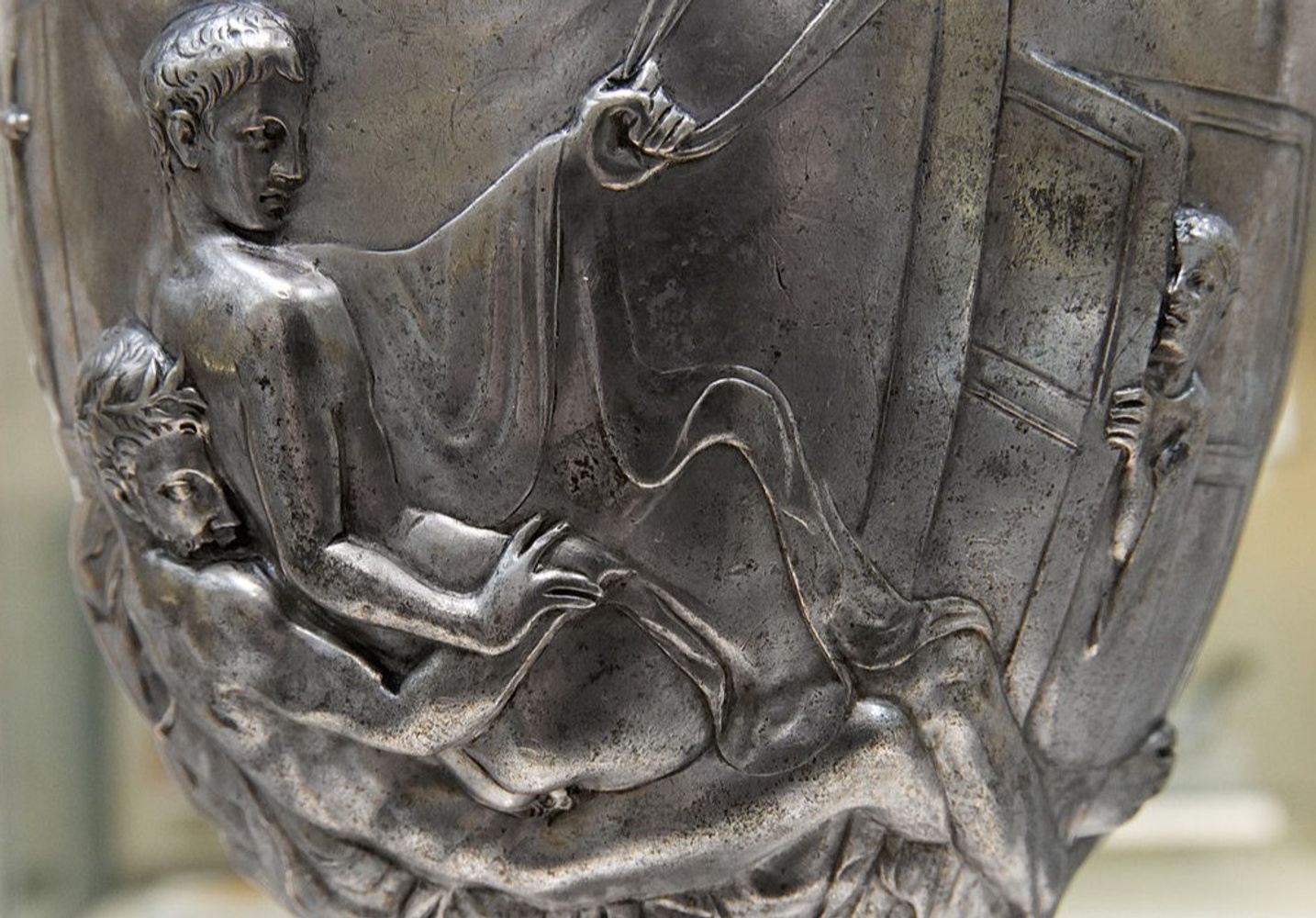
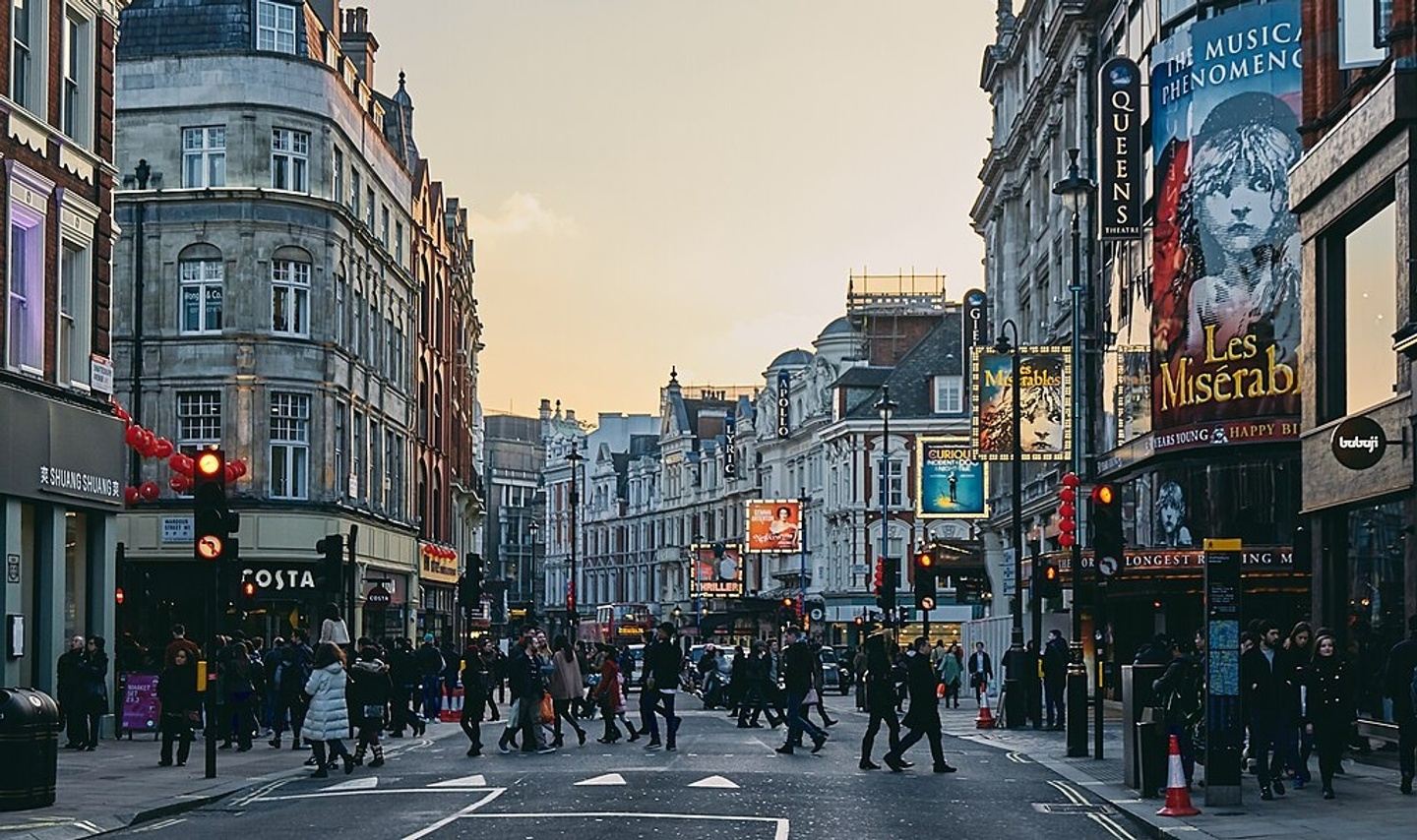
Today we start our tour with a double walking tour: Bloomsbury with Nick Collins, (head of the queer group at English Heritage, whom you will see a lot during the tour!) and the British Museum, with Professor Lear. Our afternoon will end at London’s still-thriving gay bookstore, Gay’s The Word, subject of the movie Pride and this evening we will have a welcome dinner at a Soho restaurant, where Mr Wilde used to entertain his “friends” in the upstairs private rooms!
Hotel: The Bloomsbury Hotel, an elegant and comfortable hotel in a neo-Georgian building, right around the corner from the British Museum, West End Theaters, Covent Garden, and more.
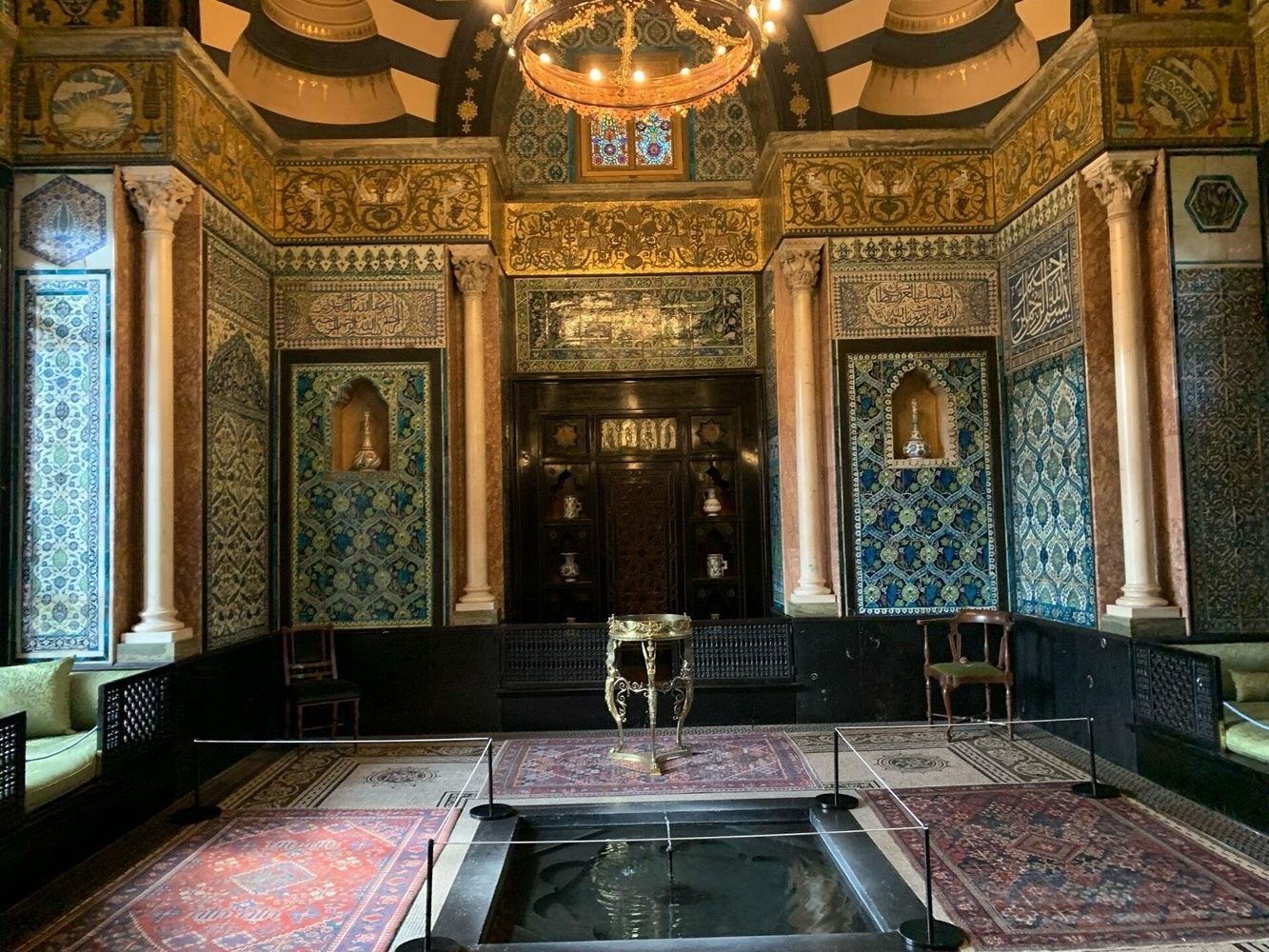
This morning starts with an LGBTQ+ tour of the Victoria and Albert Museum–the first museum in the UK to host such tours–and then a tour of Tite St in Chelsea. Today Tite St is the most expensive street in London, but in the 19th and early 20th century, it was the street of artists, including Whistler, Wilde, and Sargent. It is too early to confirm, but the tour will probably be led by Devon Cox, author of Street of Wonderful Possibilities, about Tite St, and Devon and Professor Lear hope to arrange tea in the Wildes’ house. After lunch, we will visit two less well-known but splendid historic houses of Wilde’s time in Kensington: the house of the painter Lord Leighton, with its fabulous tiled Arab Hall, and the house of Punch cartoonist Linley Sambourne, a perfectly preserved Victorian interior, where Constance Wilde certainly visited. This evening is free: explore London’s rich theatre offerings–or opera, ballet, or music….
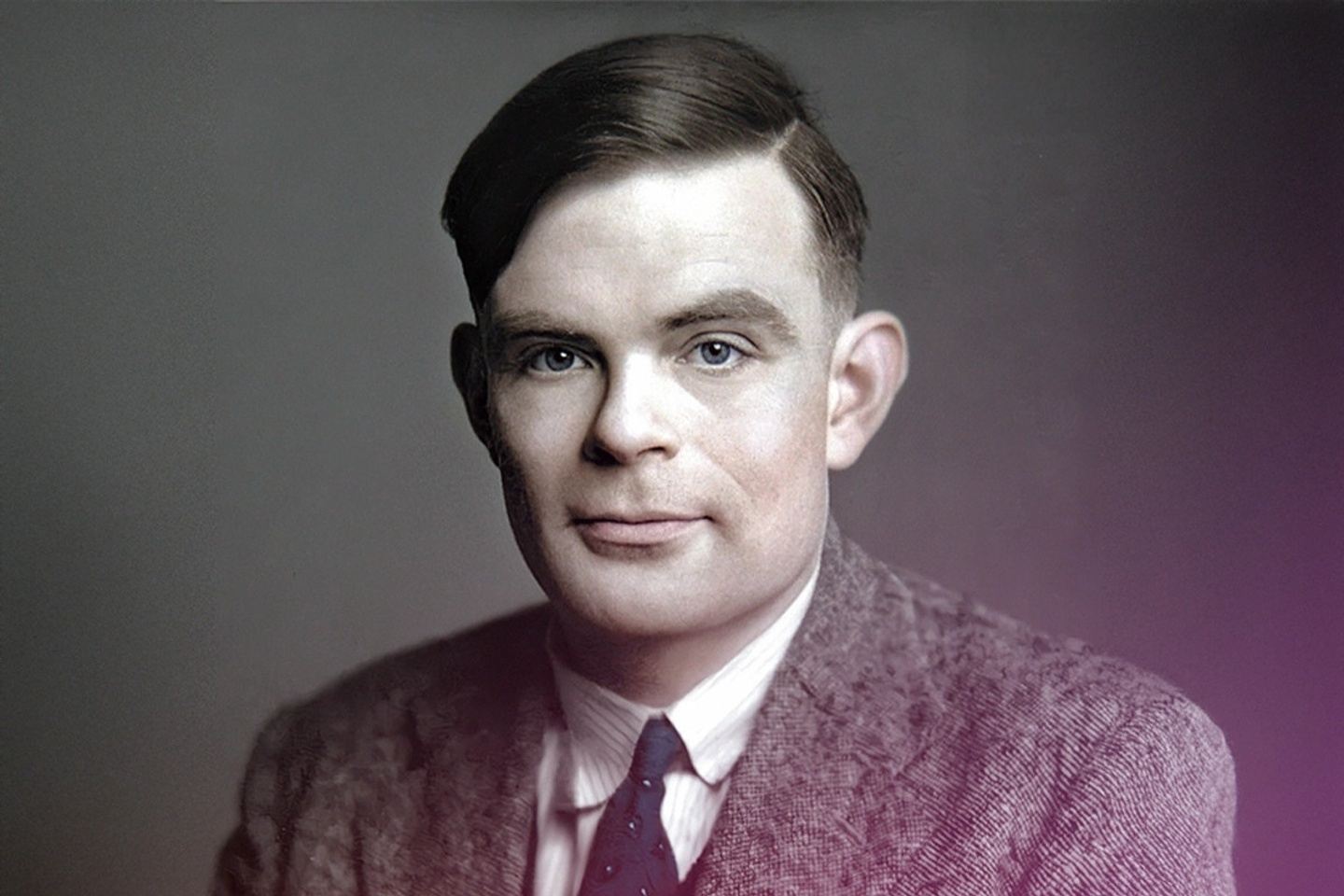
Today we will take an excursion out of London to visit Bletchley Park, the secret campus where gay hero Alan Turing led the team in WWII that broke the Germans’ encryption system. On return to London, you have a free afternoon for more museums and shopping, and a free evening for more entertainment.
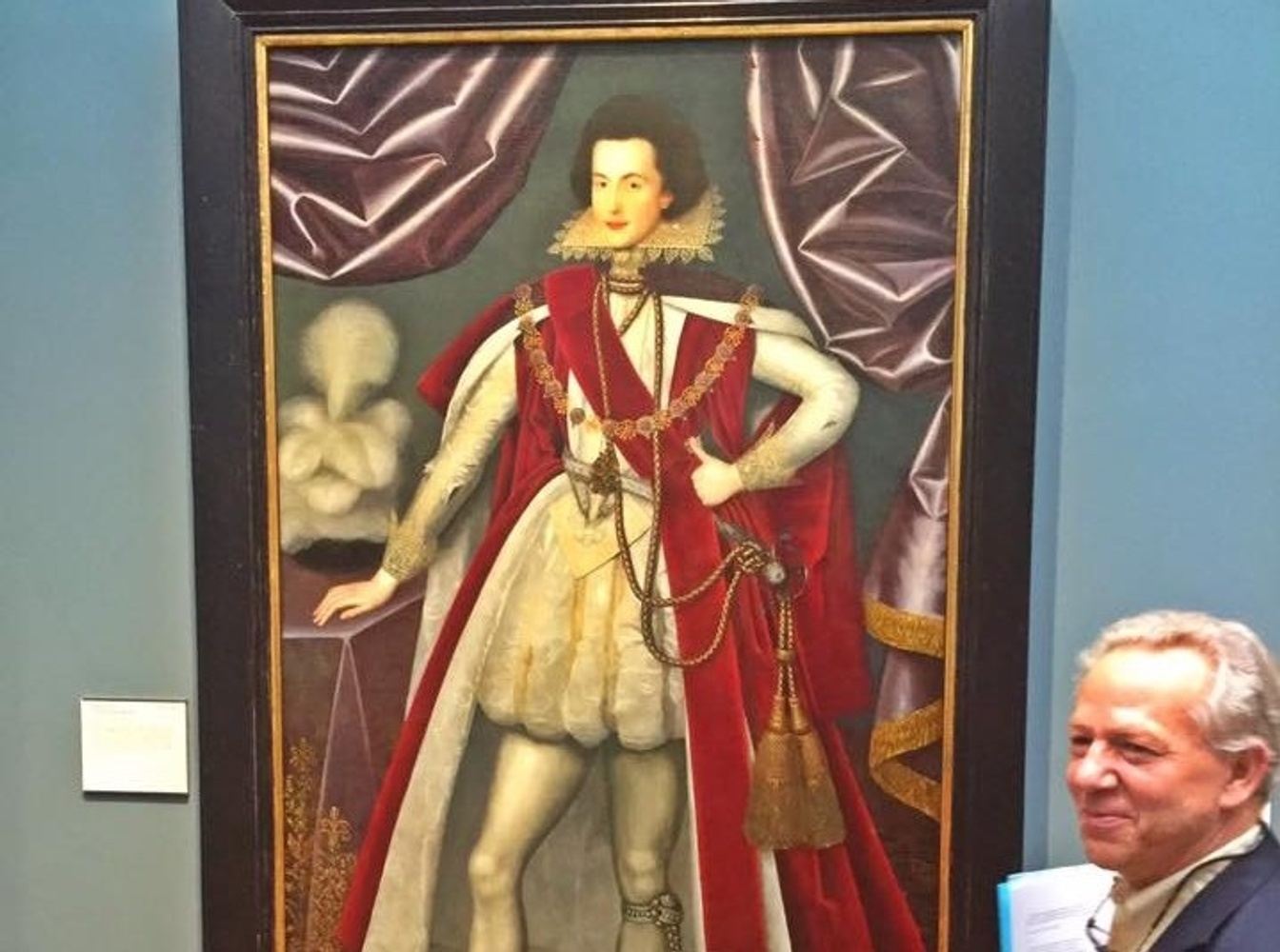
In the morning today, Professor Lear will give us his well-known LGBTQ+ tour of the National Portrait Gallery (as he says, “the gayest portrait gallery in the world”). After lunch, we will move East and South for a queer tour of Shakespeare’s Globe Theatre (or a tour of queer Shakespeare’s Globe Theatre?) and a visit to the Gilbert&George Centre. This evening Professor Lear will try to arrange to have Ian McKellen greet us at his pub, but if his performance schedule doesn’t permit, Professor Lear suggests that you join him at the Blackfriar, London’s most beautifully preserved Victorian pub–and an important location in the movie Maurice.
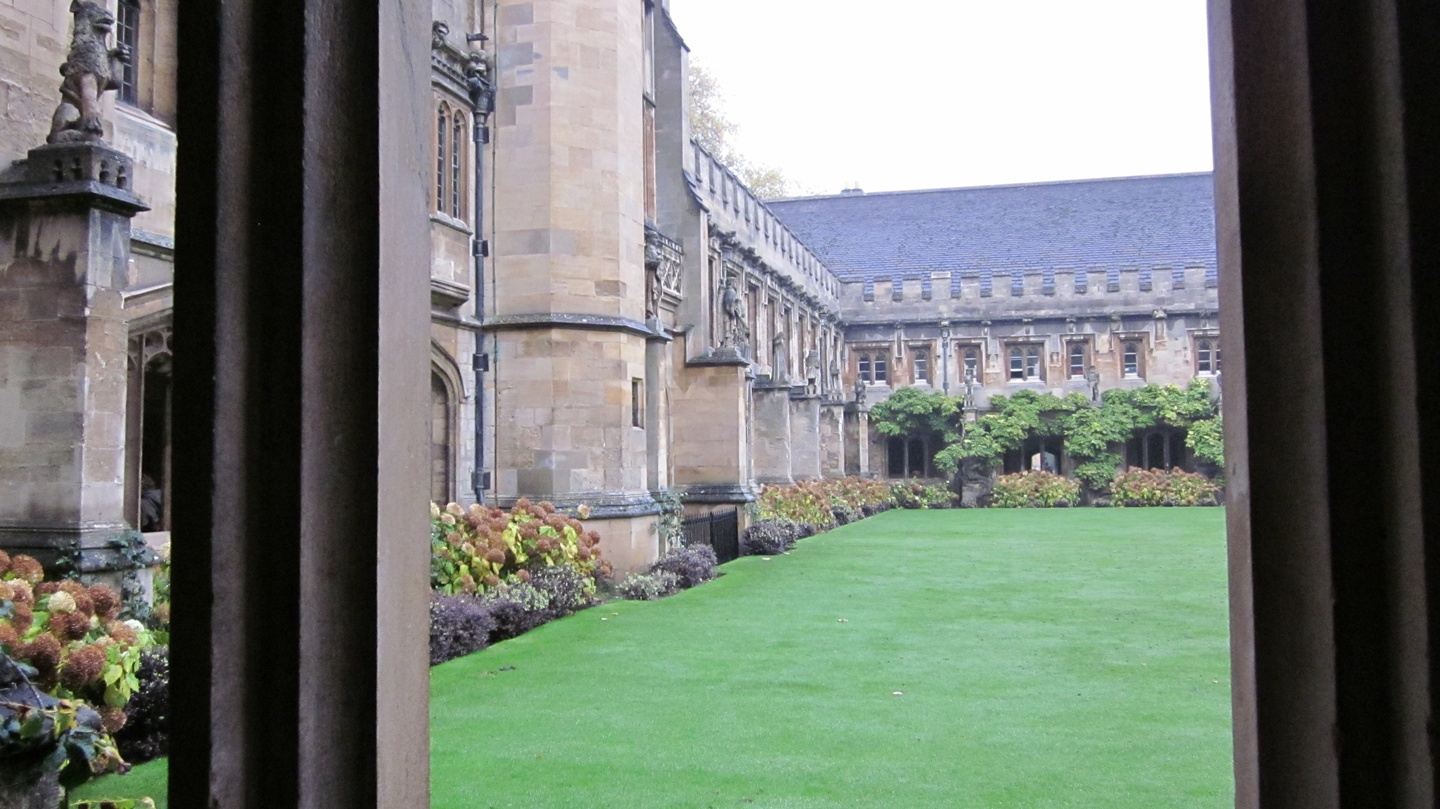
Today we take off for the bus tour part of our trip–and for the great houses that are perhaps our main theme. Our first stop is in Oxford, where we take a walking tour with plenty of history, straight (e.g. Lewis Carroll or JRR Tokien) and gay (e.g. TE Lawrence), including a visit to Oscar Wilde’s college–also the most beautiful Oxford College–Magdalen (pronounced ‘Maudlin’). After some free time for lunch in Oxford’s lovely 18th century covered market, we go to visit our first Stately Home, Blenheim Palace. One of the few non-royal houses in England allowed to be called a palace, Blenheim was given by Queen Anne to her first great crush, Sarah Churchill and her husband, the great general Marlborough (victor among many other places at Blenheim). Here too there is a bit of straight history too, since it is here that her descendant Winston Churchill (perhaps an ally….) spent his childhood.
Mercure Oxford Eastgate Hotel: a comfortable modern hotel in a 17th century Inn, overlooking Magdalen tower.
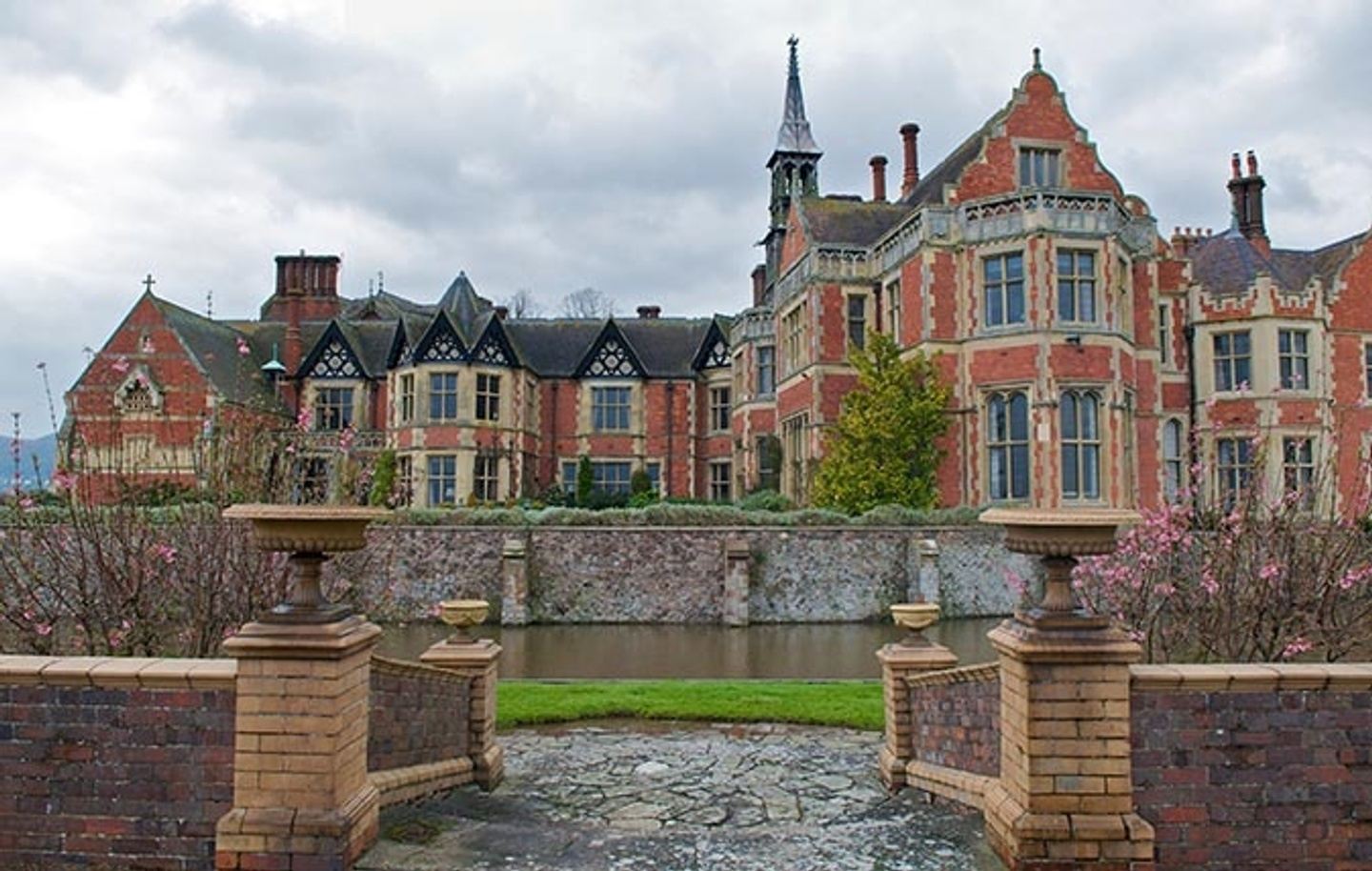
Today we drive from Oxford to Bath, but we make 2 major stops along the way. The first is to visit Madresfield, a house that has been passed down by inheritance since 1192–the second longest in England after the Tower of London! More to the point, this is where the Brideshead Revisited story really took place—but with far more gay scandal than there is in the novel! After lunch, we proceed south and stop at Gloucester Cathedral, to visit the tomb of one of England’s gayest kings (and the one who suffered most for his sexuality!) Edward II. In the evening, we arrive in Bath.
Francis Hotel Bath: an elegant modern hotel in a historic building, right on Queen’s Sauare—the heart of this lovely, historic city.
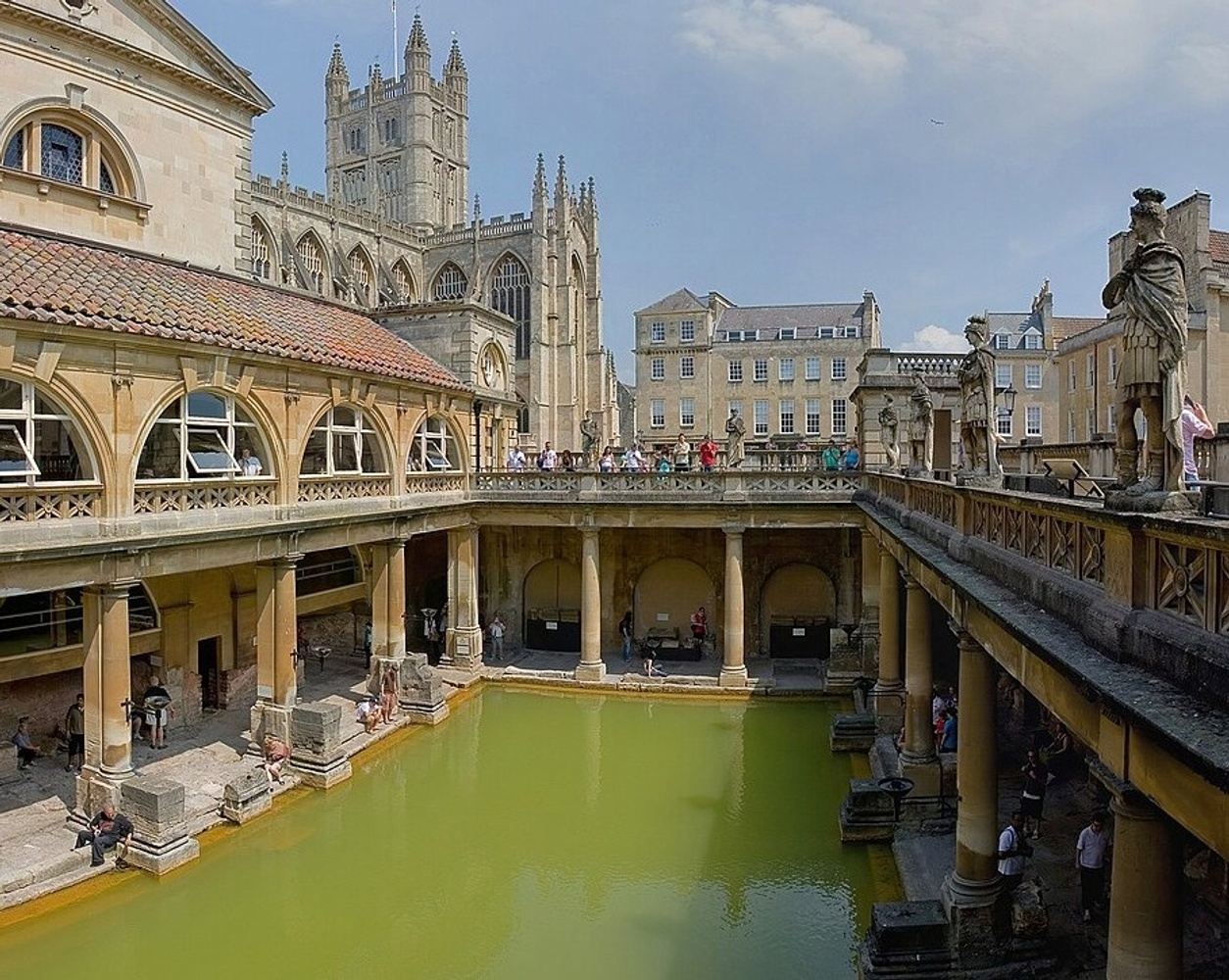
This morning we take a walking tour of Bath, a beautifully preserved Regency city–which Jane Austen who writes about it frequently would still recognize–and then visit Beckford’s Tower. William Beckford is not famous today, but he is one of the great gay figures in British history, and he was a hero to people like Lord Byron and Oscar Wilde, who have eclipsed him. He was a man of extraordinary talents and wealth whose gay scandal forced him to live in internal exile here in Bath: it’s a fascinating story and a monument worth visiting. The afternoon is free to enjoy Bath or visit the Roman Baths—the oldest still functioning thermal baths in the world. Note: the Bath Jane Austen festival has not yet been scheduled for 2026, but it will probably be taking place at this time as well.
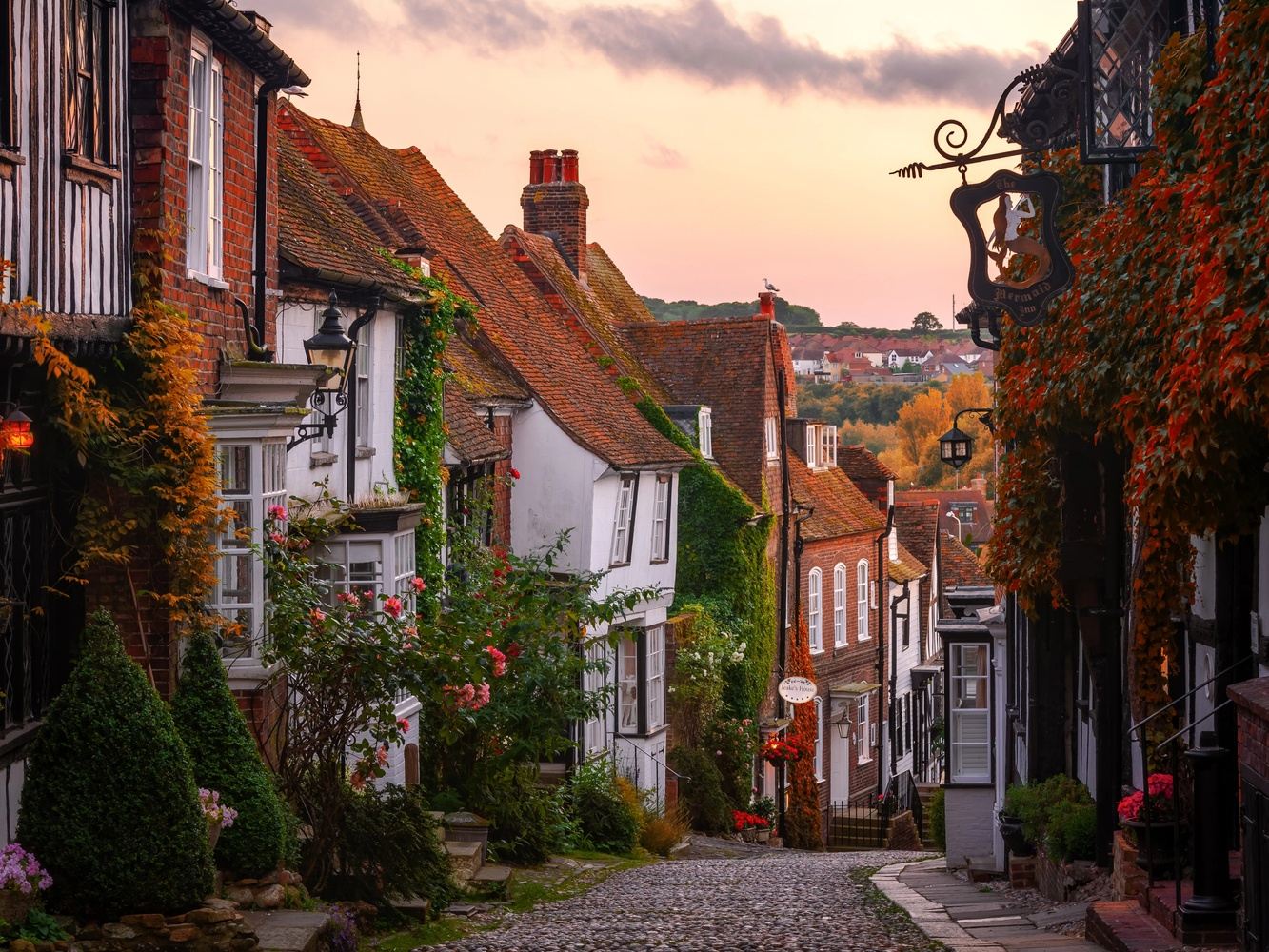
This morning we drive to Brighton, where we take a tour of England’s favorite beach city and learn about its gay side, past (with lots of Wildeana) and present. After lunch, we visit two nearby country houses of the Bloomsbury group: Charleston Farmhouse and Monk’s House. Monk’s House was the country house of Leonard and Virginia Woolf. This is where she wrote most of her major works, including the gay-themed ones like Mrs Dalloway; sadly, it is also where she committed suicide. Across the downs lies Charleston, long the house of 2 artistic collaborators, Virginia’s sister Vanessa and her gay life-partner and baby-daddy Duncan Grant, as well as many other Bloomsbury figures and a long string of Duncan’s lovers. The house is so full of art that it seems almost alive, even today! This evening is free to explore Brighton’s gay life and the ‘lanes’, its charming historic shopping area.
Doubletree by Hilton Brighton Metropole: a charming modernized Victorian hotel right on the seafront—with a dramatic Wildean history of its own!
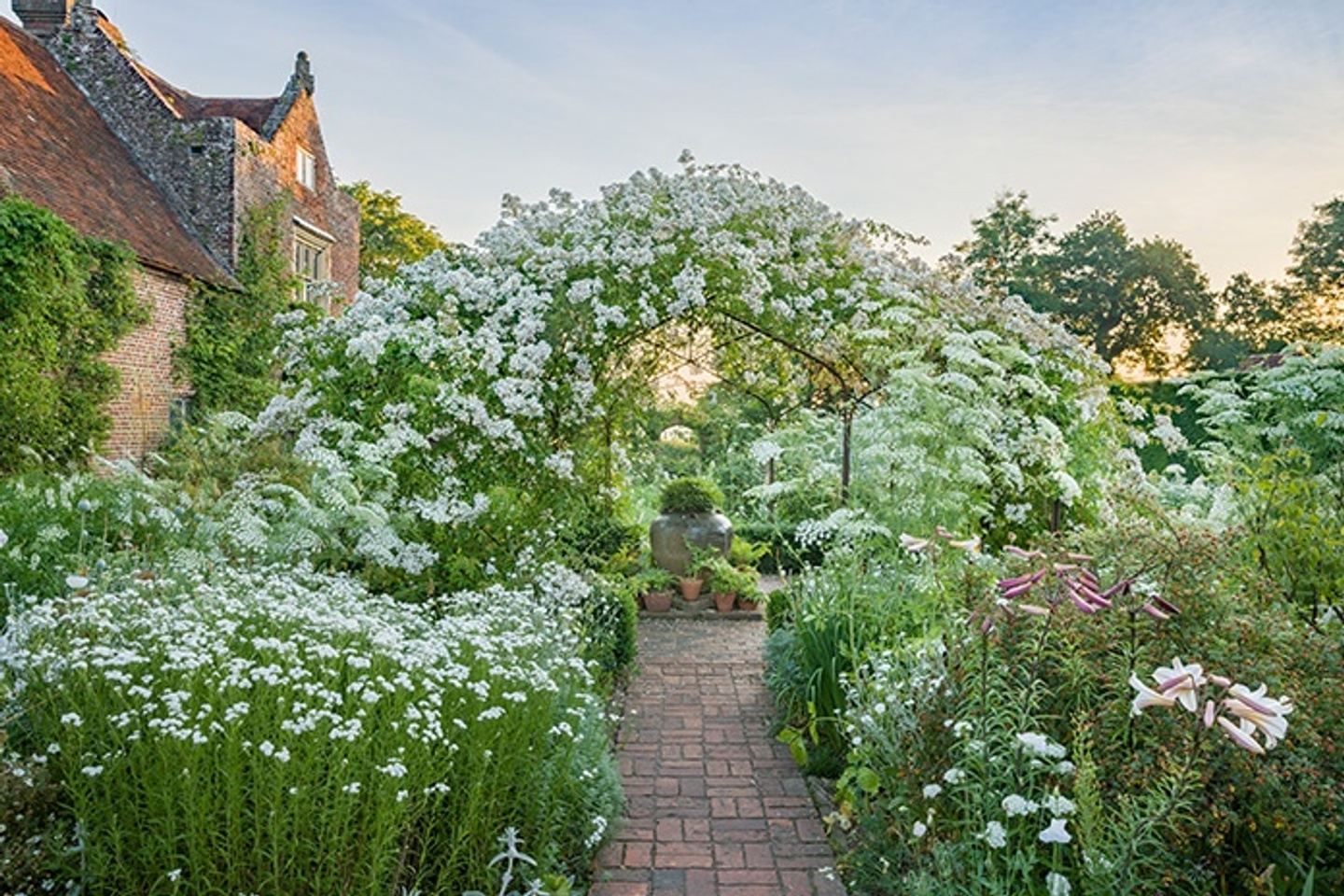
Today, on our way from Brighton to London, we visit two of England’s great houses: Knole and Sissinghurst. Knole is the largest of all Stately Homes and has a storied history, starting with Cardinal Wolsey and (Bloody) Queen Mary. Its main LGBT story is in the early 20th century, when it was the childhood home of Virginia Woolf’s lover Vita Sackville-West—and it serves as the setting for much of Woolf’s novel (and love letter to Sackville-West?) Orlando. The tragedy of Sackville-West’s otherwise non-tragic life was that, as a woman, she could not inherit Knole, so she had to content herself with buying a nearby ruined castle, Sissinghurst, where, while she and her husband carried on their open marriage and same-sex love-affairs, they developed their famous gardens, which should be splendidly in bloom in May! In the evening we return to London
Some of the group may leave after our return to London, but for those who want to come with us to York, we decided to leave you a free day in London before leaving. Given that it is Saturday, it seemed that it would a pity to spend it on the train to York!
Available Add-Ons: York extension
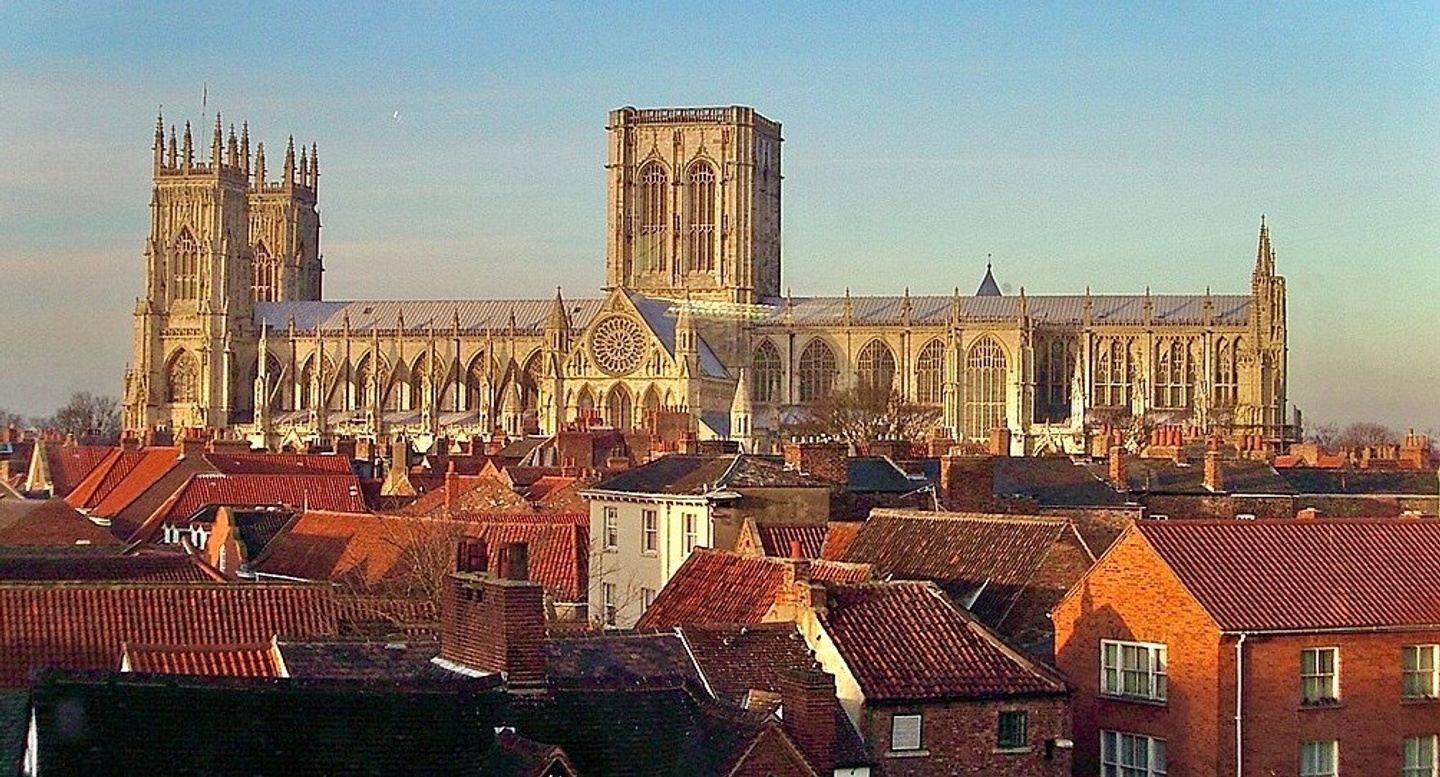
Today we take the fast train to York (about 2 hours) and visit this beautiful medieval city and its spectacular cathedral, the York Minster. We will also start to follow the story of Anne Lister, “Gentleman Jack”–often called history’s first lesbian–when we visit Holy Trinity Church, where at Easter in 1834 she and her partner exchanged rings as they took communion–in effect, Britain’s first gay marriage!
Dean Court Hotel York: a classically English hotel a stone’s throw from the York Minster, York’s famous medieval street, the Shambles, and the train station.
Castle Howard and Rievaulx Abbey
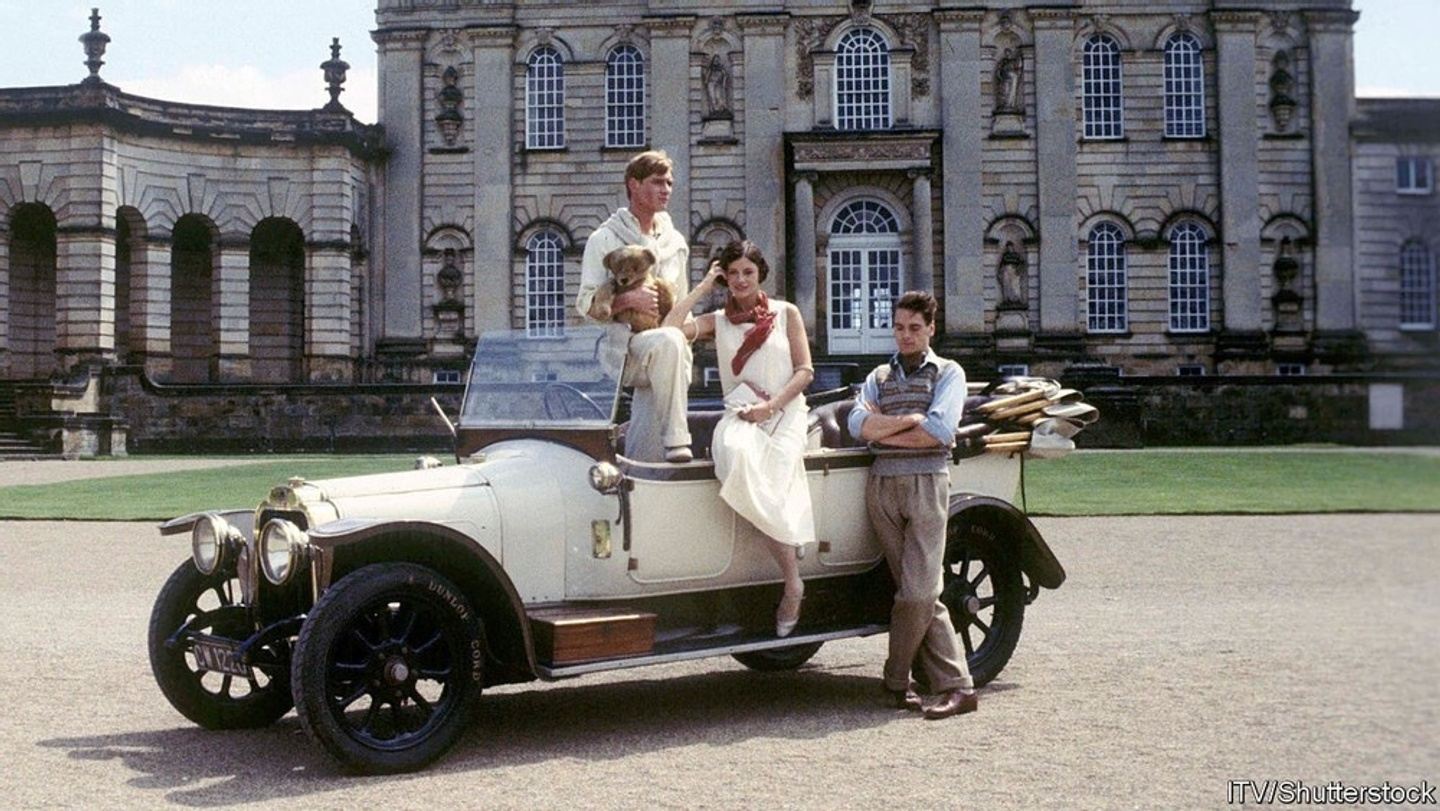
Today we will visit two of the great sights of Yorkshire. We all know Castle Howard from the 1981 TV version of Brideshead Revisited (and from many other movies and TV shows, e.g. Bridgerton). The house has recently undergone a massive restoration and is ever more worth a visit. After lunch, we will take off for the dramatic ruins of the great Cistercian abbey of Rievaulx, home in the 12th century of St Aelred, whose writings on friendship have made him the patron of LGBT Catholic, Anglican, and Episcoplian organizations like Integrity USA. Evening free.
Anne Lister day
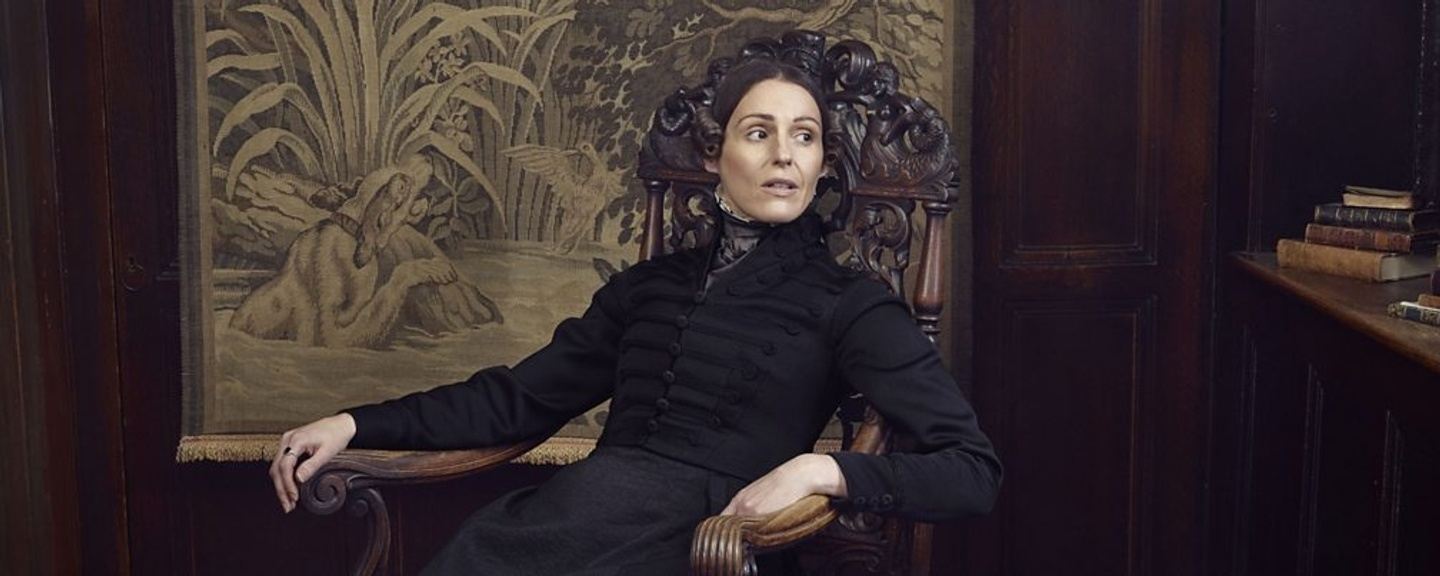
Today we visit Anne Lister’s grand house, Shibden Hall, and learn the story of this fascinating woman, who violated the expectations of 19th century society in terms of both gender and sexuality—and wrote about it in her diaries, where, among other things, she expresses not just attractions to women but a definite lesbian identity–the first such clear expression currently known. Later in the morning, we hope to arrange a viewing of the diaries! This afternoon, we return to London by train.
Professor Andrew Lear accompanies all of our tours. He is our founder; a famous scholar of same-sex love in the ancient world; and a master guide. Early in his career, Professor Lear won the Harvard Certificate of Excellence in Teaching five times, and on our tours you will see why! He really has the knack of making complex issues comprehensible—and entertaining. In most places, we are also required to have a local guide, and Professor Lear has developed a cadre of specially trained guides to work alongside him.
Professor Lear doesn’t have the time to do 10 tours a year, so our tours are not offered on an annual basis. Our general advice is: if you are interested, come on the tour! You never know when our tours will be offered again.
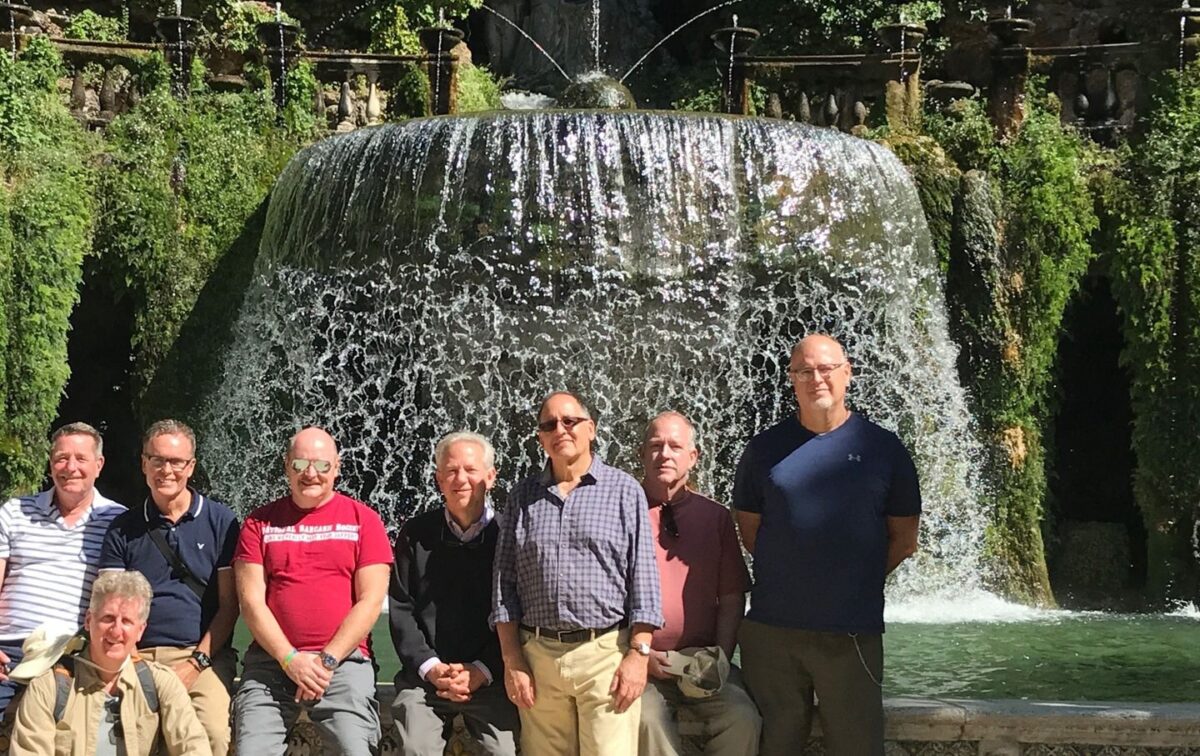
Absolutely. Our tour groups consist of a mix of singles and couples, usually about 50/50. One thing we can guarantee is that no-one will be left out of any conversation or plan because they are single. On the very first tour we did, we came downstairs in the hotel and found the entire group hanging out in the hotel bar. And that is the way our groups are. They make lots of plans in the evening, and everyone is always welcome.
Absolutely. The average age of our guests is in the 60s, and we often have guests in their 80s.
If you are worried about this, please contact us to discuss. This tour involves a fair amount of walking, in museums, city centers (which in Italy are pedestrian zones), and archaeological sites (which may of course have uneven ground). However, we have had many guests with difficulty walking or climbing stairs, and we generally manage to accommodate them, with a little flexibility on all sides.
Absolutely. Just let us know in advance, and we will handle it.
Our tours cover all kinds of LGBTQ+ history and art. The cultural material on some of our tours (especially in Italy and Greece) is more about gay male issues—but this is not true on other tours, for example, in England or Germany, where we cover a wide spectrum of LGBTQ+ material. Our groups are also very welcoming. We have had a great variety of guests in our groups (incuding even a few allies!) and they have been very much part “one of the family.”
We don’t believe so. Of course we don’t know everything that goes on, but our impression is that our tours are GREAT for making friends instead. Note: we include tours of gay nightlife in a few cities (Berlin and Tokyo so far), but in any case, we provide information about gay bars, saunas, etc. And we know what many of our guests go, often with others from the tour group.
Our hotels are gay friendly, absolutely. In Europe and Japan, our hotels are generally carefully chosen 4 star hotels. As a rule, we choose hotels for modern comfort, historic charm, and central location. In India and Nepal, we use almost exclusively 5 star hotels (except for one restored palace).
We are big foodies, and the meals on our tours are generally very good. In fact, we have often been told we could sell our tours as gourmet experiences. We are particularly concerned to include local specialties and regional cuisines.
We include breakfast every day and on European tours generally one other substantial meal (though occasionally none or two). Since our tours often include activities both morning and afternoon, we tend to include lunch. And we tend to leave you free in the evening, except for the first and last evenings on the tour, when we have welcome and farewell dinners—though of course sometimes we include an extra dinner. This tour includes breakfast every day, 7 lunches, and 2 dinners–all gourmet.
Our tours are not 100% all-inclusive, although pretty close. We include all hotel accommodation during the tour, transportation as per the itinerary, all admissions, and guiding. We include breakfast every day and on European tours generally one other substantial meal (though occasionally none or two). Note: we are NOT in the business of “upselling” our guests. There are very few optionals on our tours—and they are only things we really believe that some guests may not want to do (e.g. helicopter trips).
We generally leave the group free in the evenings, and when we are in a major city, we include a free afternoon, for shopping, more museums etc.
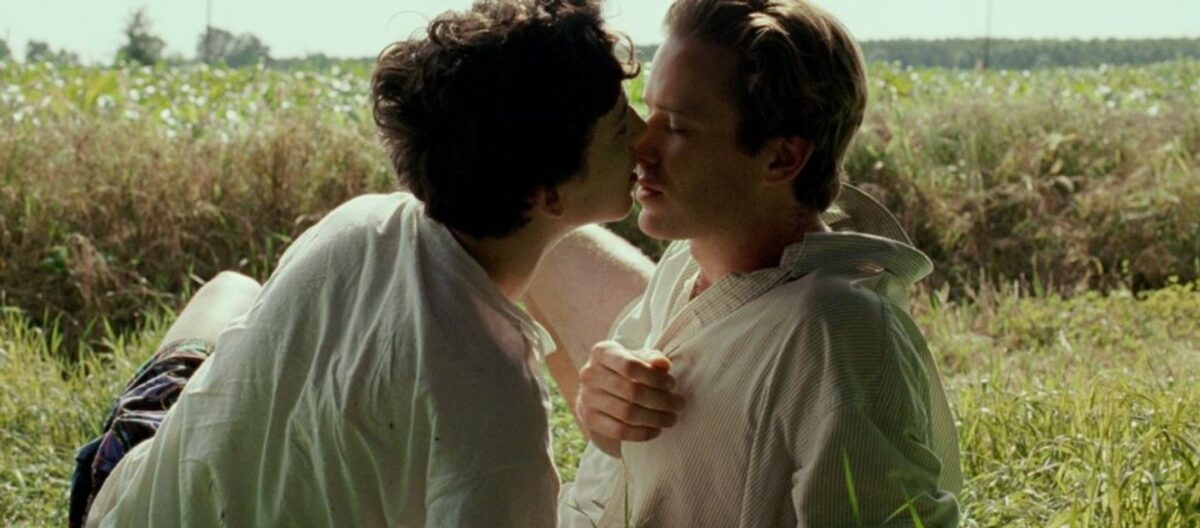
Our tours are based on a very high level of knowledge about LGBTQ+ history and art, and indeed about history and art in general. As a result, we include many places that are interesting and/or important but not well-known. Some of these, like the bar where Oliver plays cards with the locals while Elio watches him in Call Me By Your Name, may be closed to the public or difficult to access; others, like the penis temple of Nagoya, are simply not on the beaten tourist path.
Italy is actually very gay-friendly. It has got a bad reputation in recent years, because it does not have gay marriage. But Italy was not homophobic in the way the US and UK were in previous eras, so while it has not caught up with the rest of Europe on gay rights, it was and is a safe and friendly country for LGBTQ+ travelers.
YES. A tour is a big investment, so you need insurance in case you are forced to cancel too late for a refund. This doesn’t happen often, but it has happened a few times in the 13 year life of this company, and the travel insurance companies have been very helpful. But note: you also need travel insurance in case of medical emergency. Your US insurance probably does not cover you abroad, and as we all know, you never know when something will come up. A friend of mine fell on a trip a few years ago and ended up being medivaced from Tunisia to Germany and ultimately back to the US. This would have cost hundreds of thousands of dollars, but luckily, he had good travel insurance, and it was covered 100%. Note: You can buy travel insurance from our ticketing platform, WeTravel, but that that is not obligatory. You should get an insurance policy, but it does not need to be from WeTravel.
Our cancellation policy is flexible. Before the full-payment deadline, we will return any of your deposit that hasn’t been put down in deposits—which generally means we can return 100%. After the full-payment deadline, it is critical (again) that you have travel insurance, as travel insurance will refund your trip in an emergency more completely than we can. We can assure you that it works, because we have seen it work several times: a few guests have had to cancel at the last minute, have been completely reimbursed by their insurance, and in most cases have taken the same tour with us the next time it was offered.
Yes, we can make a payment plan according to your needs.