1.646.560.3205
andrew@oscarwildetours.com


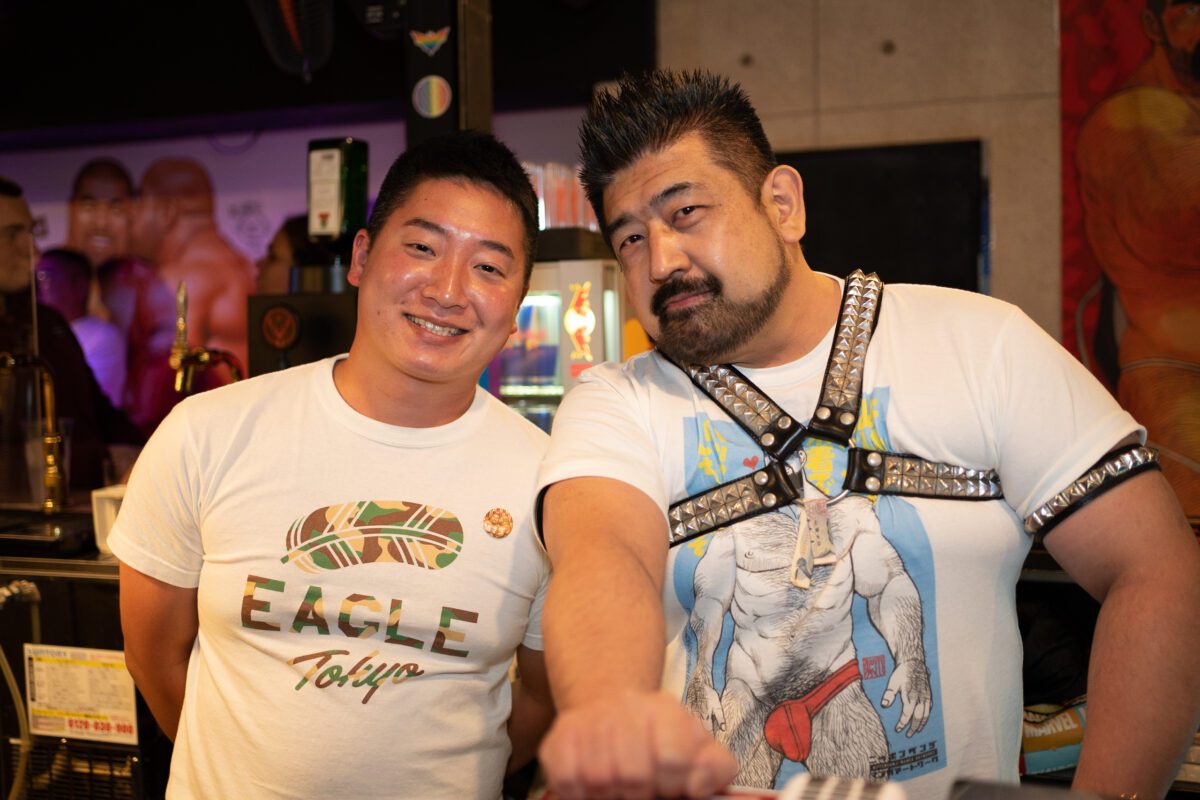
People are fascinated by Japan: by its refined arts and crafts, from calligraphy to kimonos: its exotic (to us) cultural traditions, such as geishas and tea ceremonies; and by its contrasting, almost futuristic modernity, as in the Shinkasen bullet trains and anime. But did you know that Japan also has one of the world’s most interesting LGBTQ+ histories? Until Westernization took over in the 19th century, Japan had very different sexual customs from the West—including *male* geishas, to start with—and some claim this is still reflected in today’s worlds of manga and Japanese TV.
So come on Oscar Wilde Tours and Out Asia’s LGBTQ+ history and art tour of Japan. See the beautiful temples of Kyoto, relax in a traditional hot spring spa by Mount Fuji, experience a Japanese tea ceremony, ride on a bullet train—and learn about Japan’s LGBTQ+ side while doing it, from the time when (supposedly) monks brought same-sex love from China to Japan’s Buddhist monasteries and Samurai warriors to the elegant “pleasure quarters” of the 17th and 18th centuries to today’s Shinjuku Ni-chome gay town and its 300 bars.
Come with us to experience Japan, its traditional sides—a kabuki play, a tea ceremony, dinner with geishas—and its almost futuristic sides, like the Shinkansen bullet trains. But don’t forget its long LGBTQ+ history—because this is the only tour that will show you that, from the say stories they hid from you in Shogun to today’s world of manga and Tokyo’s 300 gay bars!
Our tour starts this evening with a get-together in the hotel lobby , so we can all meet and discuss plans for the tour.
Our hotel for the next 3 nights: Hotel Century Southern Tower, a modern skyscraper hotel with quiet rooms and great views over Tokyo, right at the heart of the Shinjuku entertainment area.
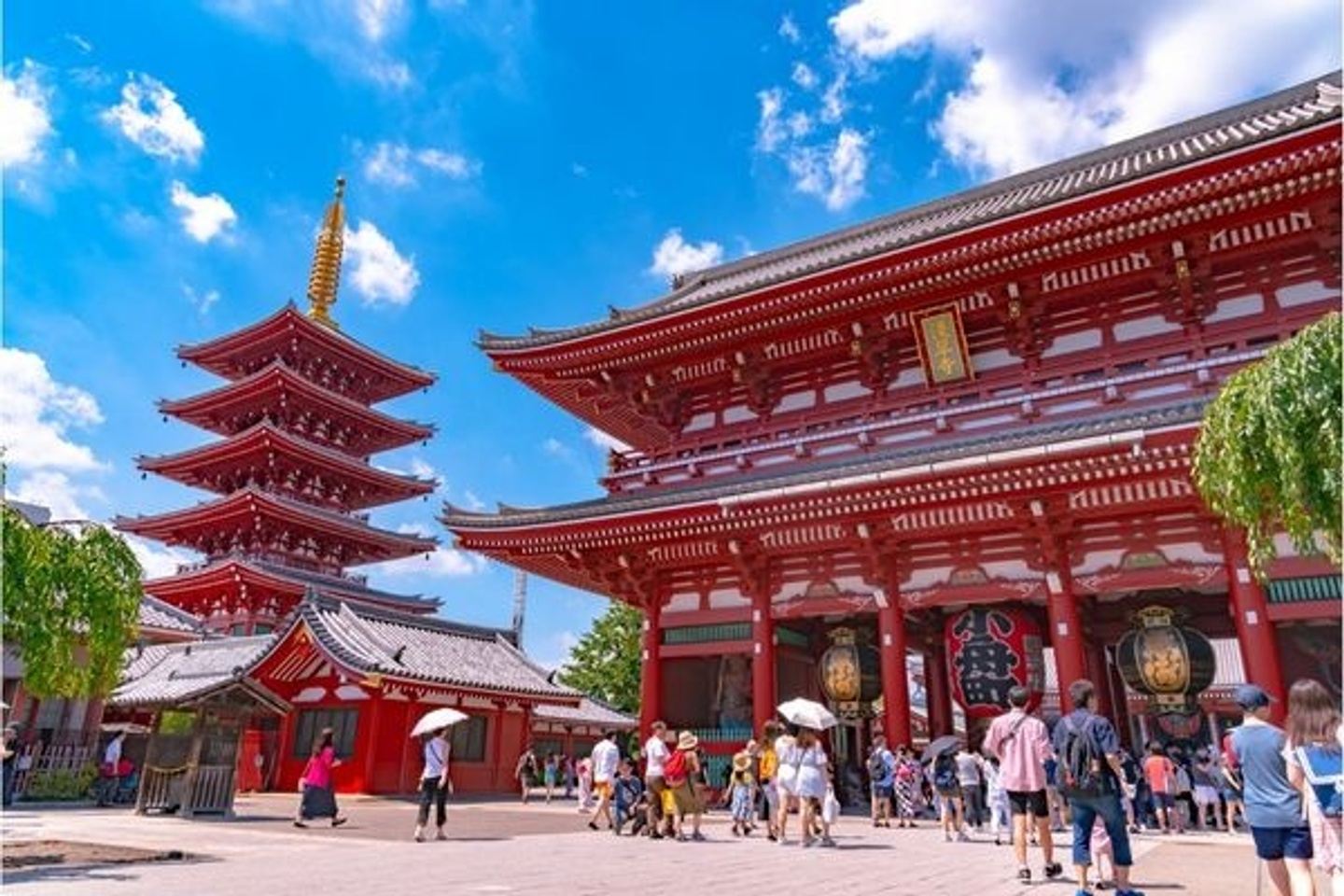
Tokyo is the world’s largest city, and it resumes in itself the astonishing contrasts in Japanese culture, from the traditional temples of Asakusa to the elegance of Ginza, and the world’s tallest tower, the Sky Tree. Over the next 2 days, we see it all! Today’s high points are a traditional tea ceremony, where we learn to appreciate this quintessentially Japanese evanescent artform, and a visit to Japan’s National Museum, with its incredible collections of the Japanese arts–swords, kimonos, wall paintings, and more! Also our multi-course Yakatabune welcome dinner on a boat on the Sumida River, with stunning views of Tokyo’s skyline.
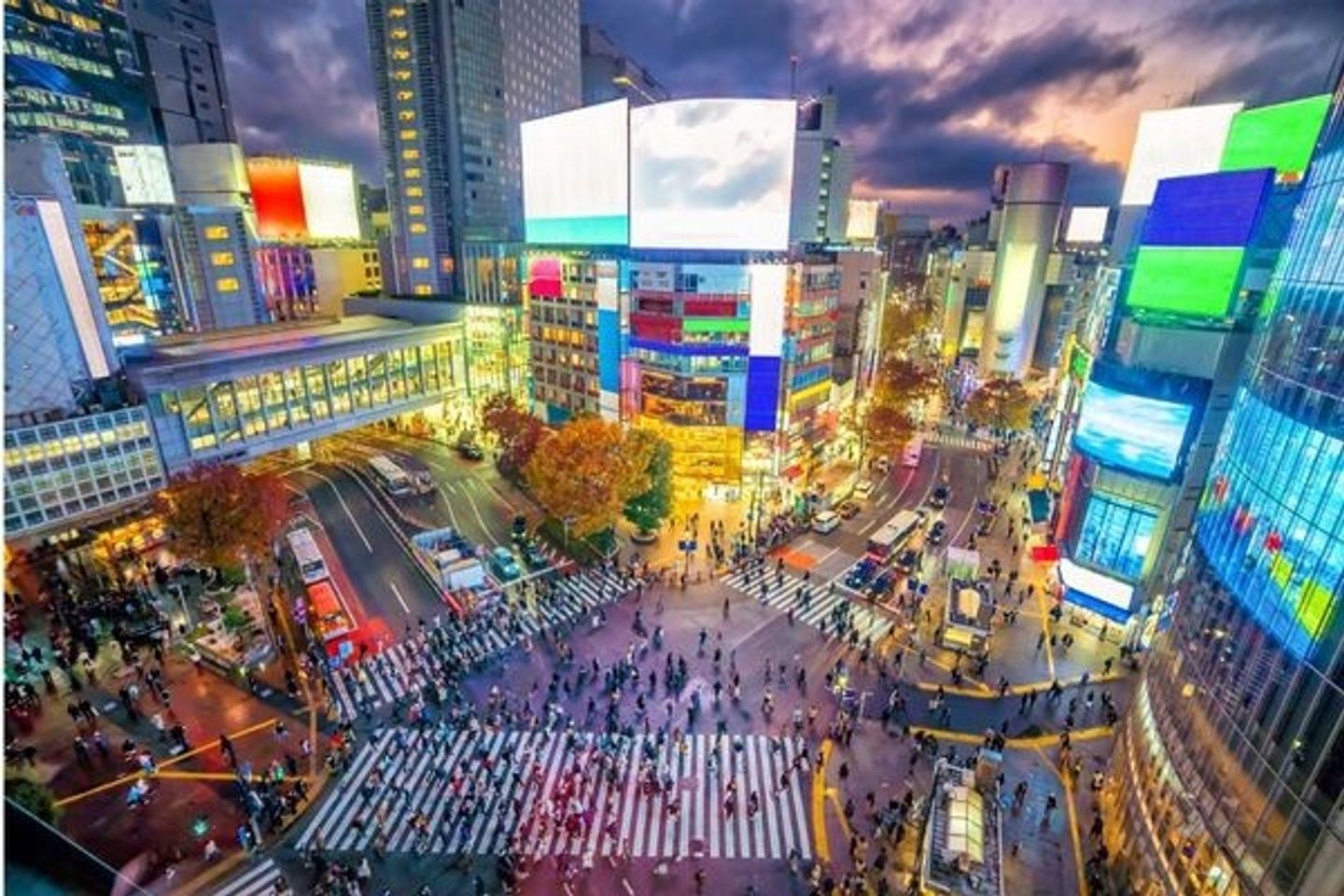
Today we continue our tour of Tokyo. Highlights: a visit to the world’s tallest building, a sushi-making experience, and a performance of kabuki, Japan’s tradition (and often gay-themed) performance art. This evening, for those who want, a bar hop through the Ni-chome, the world’s largest collection of gay bars (quite close to our hotel).
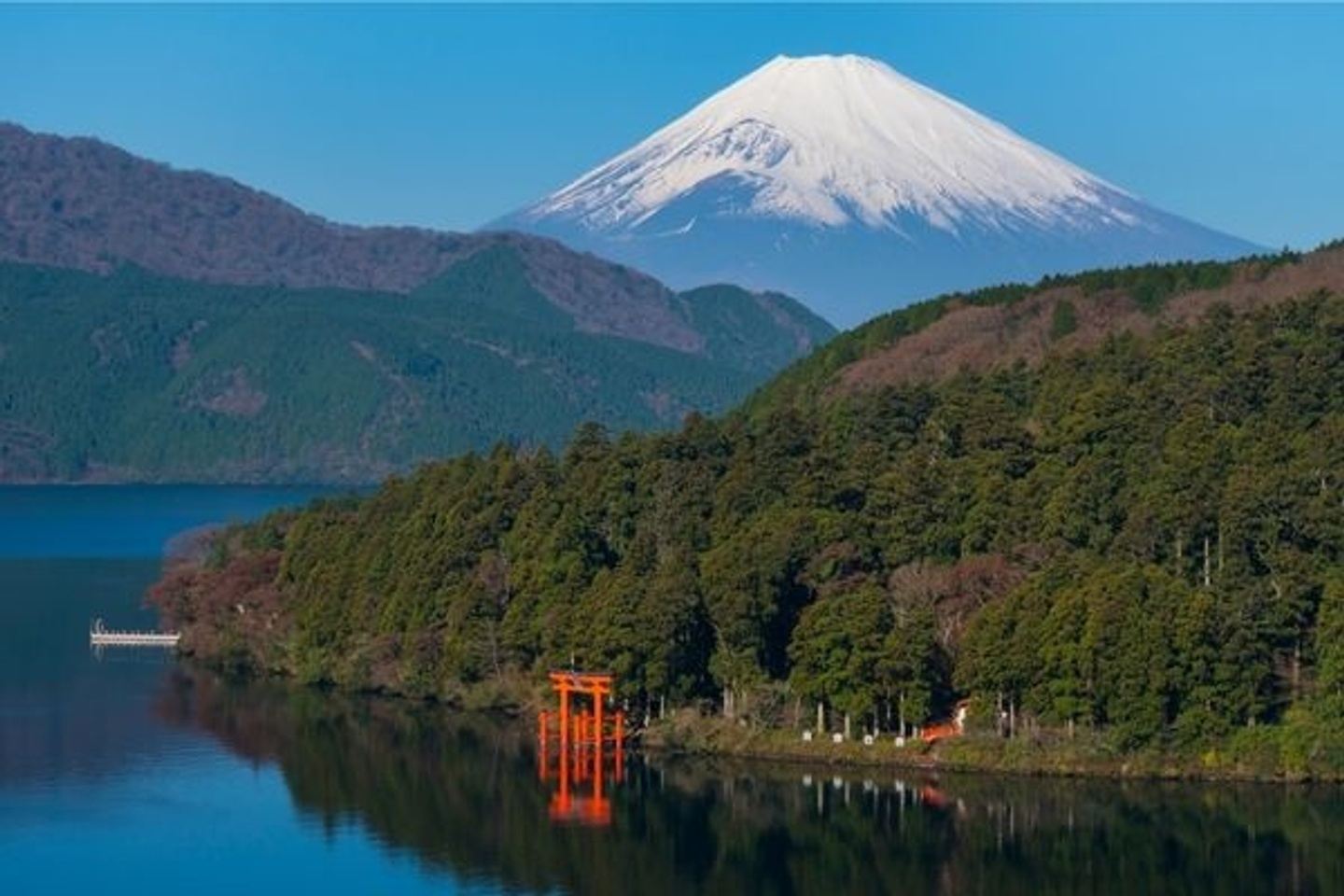
Today we visit the area of Fuji-Hakone-Izu National Park, with a boatride on Lake Ashi, a ride on the Hakone Ropeway (aerial lift), a visit to the Owakudani valley with its boiling sulphur springs (and famous blackened eggs cooked in the spring—supposedly eating one will add 7 years to your life!), and Hakone Open Air Museum, a beautiful garden with sculptures by artists like Picasso, Matisse etc. In the evening, we transfer to Tokyo.
Our hotel tonight: Pax Yoshino Hotel, a traditional Japanese ryokan, with onsen mineral baths on your private balcony plus a public onsen—and an excellent restaurant.
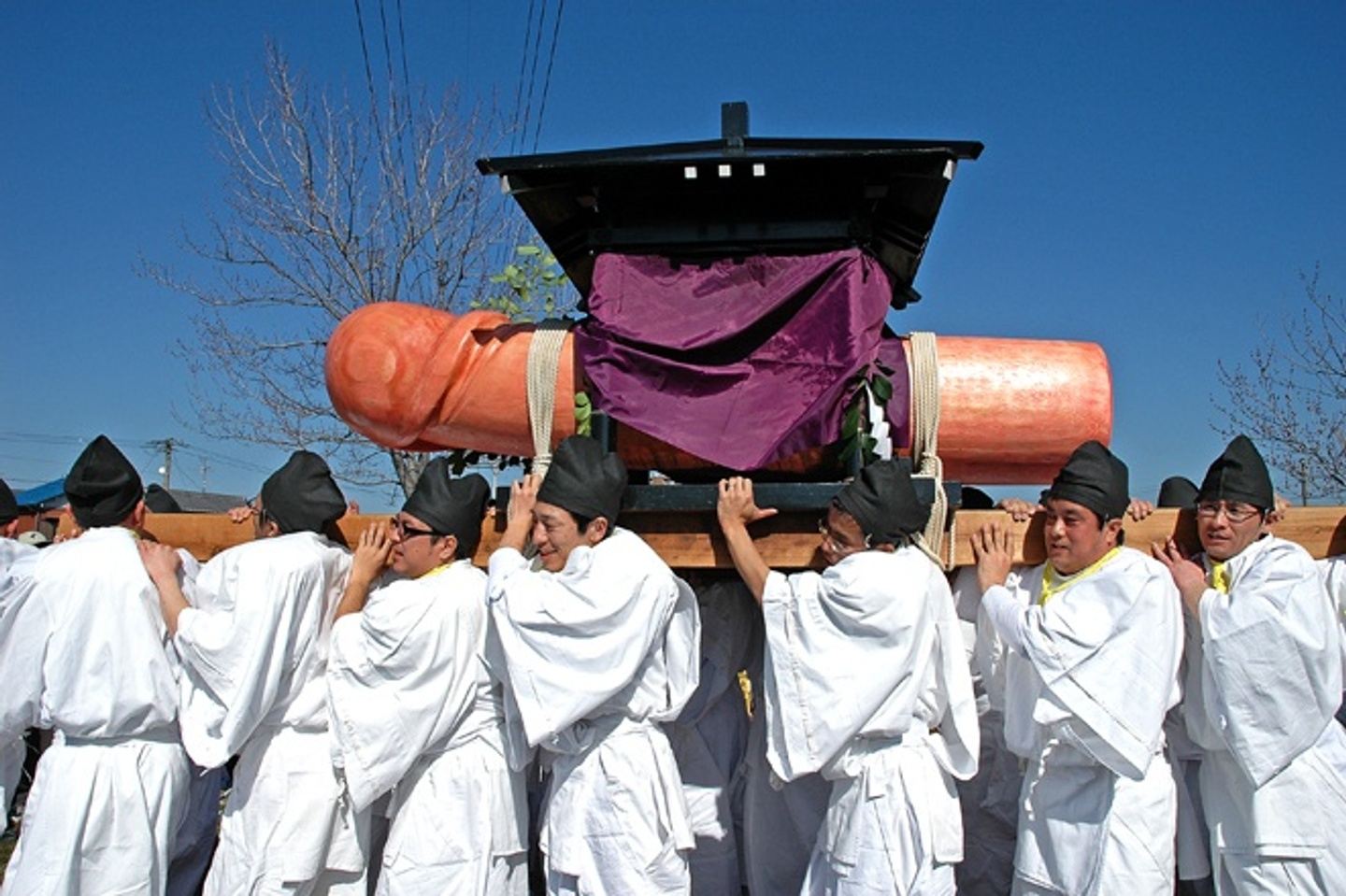
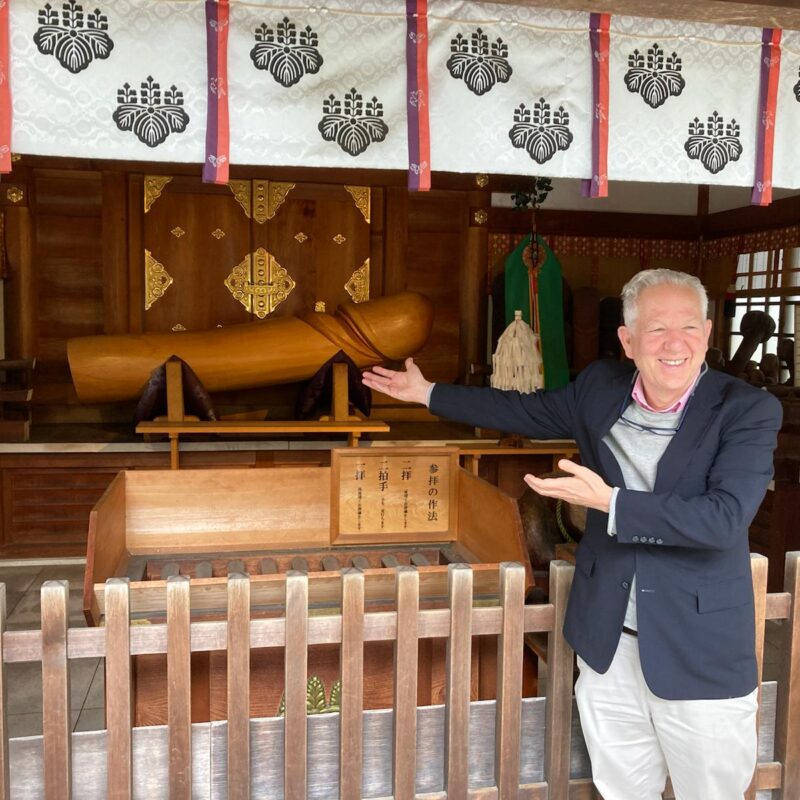
Today we take the famous Shinkansen Bullet Train, to Nagoya, where we dip into Japan’s past to see something no other tour will show you: Japan’s principal penis shrine, the Tagata Shrine of Nagoya. There were many shrines of this kind before Westernization, but this is the main remaining one. The Honen harvest festival takes place here on March 15, when for the past 1500 years, 20 men are chosen by lottery to carry a 7 foot phallus through the streets. But don’t worry about missing the festival: everything else here (gates, bells etc) is penis-shaped as well—and many souvenirs are available!
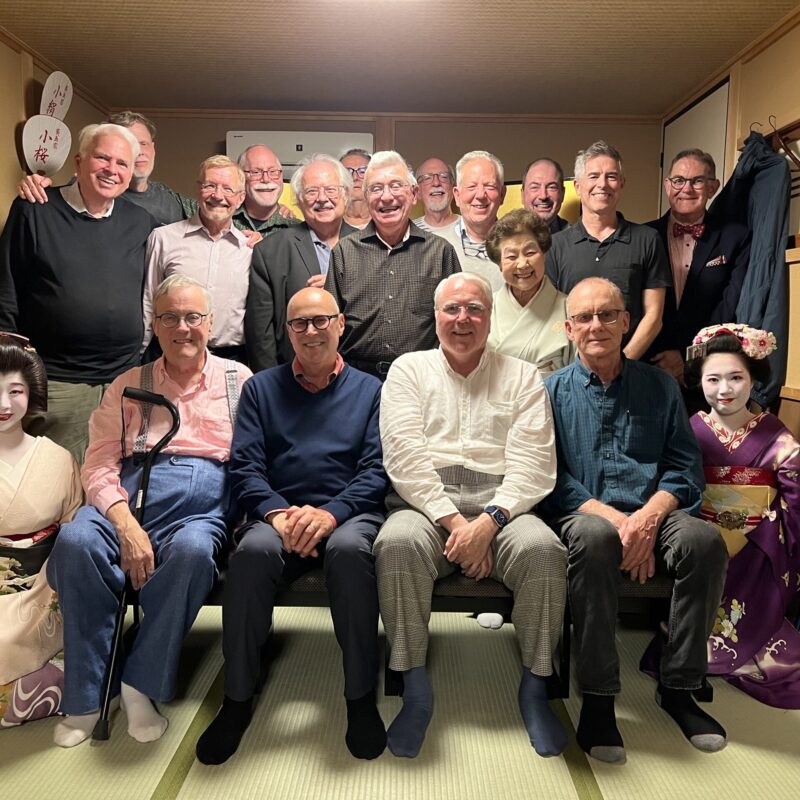
From there we take a bus trip to Kyoto, the most traditional of Japan’s major cities, where we experience one of the quintessential Japanese traditions: a dinner with service and entertainment by geishas.
Our hotel for the next 2 nights: Cross Hotel Kyoto, an excellent, modern hotel in a very central location, right near the main shopping and gourmet districts of Kyoto.
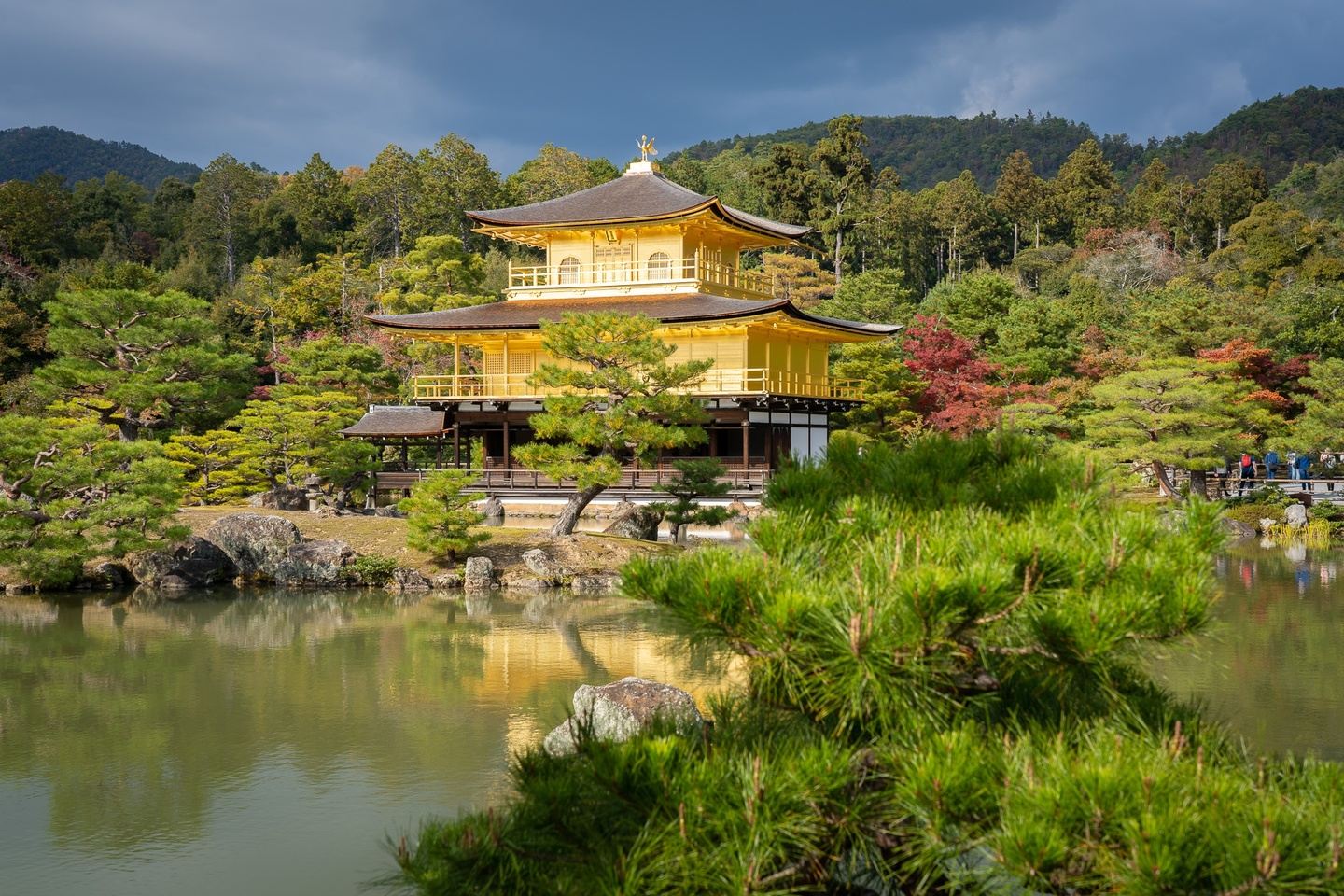
Kyoto is one of the world’s great beauty spots, and today we will see many of its beauties, including Kinkakuji, the Golden Pavilion (hopefully surrounded by Japan’s famous fall foliage), the awe-inspiring Adashino Nenbutsuji Bamboo Grove, and the Honno-ji Temple, where a famous gay story from Japanese history took place: when Oda Nabunaga (one of Japan’s three great unifiers) was betrayed to his enemies at the temple, his page and lover Mori Ranmaru led the defense, holding off the enemy long enough for Nabunaga to commit seppuku (ritual suicide) to avoid capture, and then set the temple on fire, killing himself and all his troops, to avoid letting the enemy capture Nabunaga’s body!
In the evening, we will enjoy a lecture by Professor Timon Screech of the University of London’s School of Oriental and African Studies and the International Research Center for Japanese Studies in Kyoto, on “Male-Male Love in Early Modern Japan.”
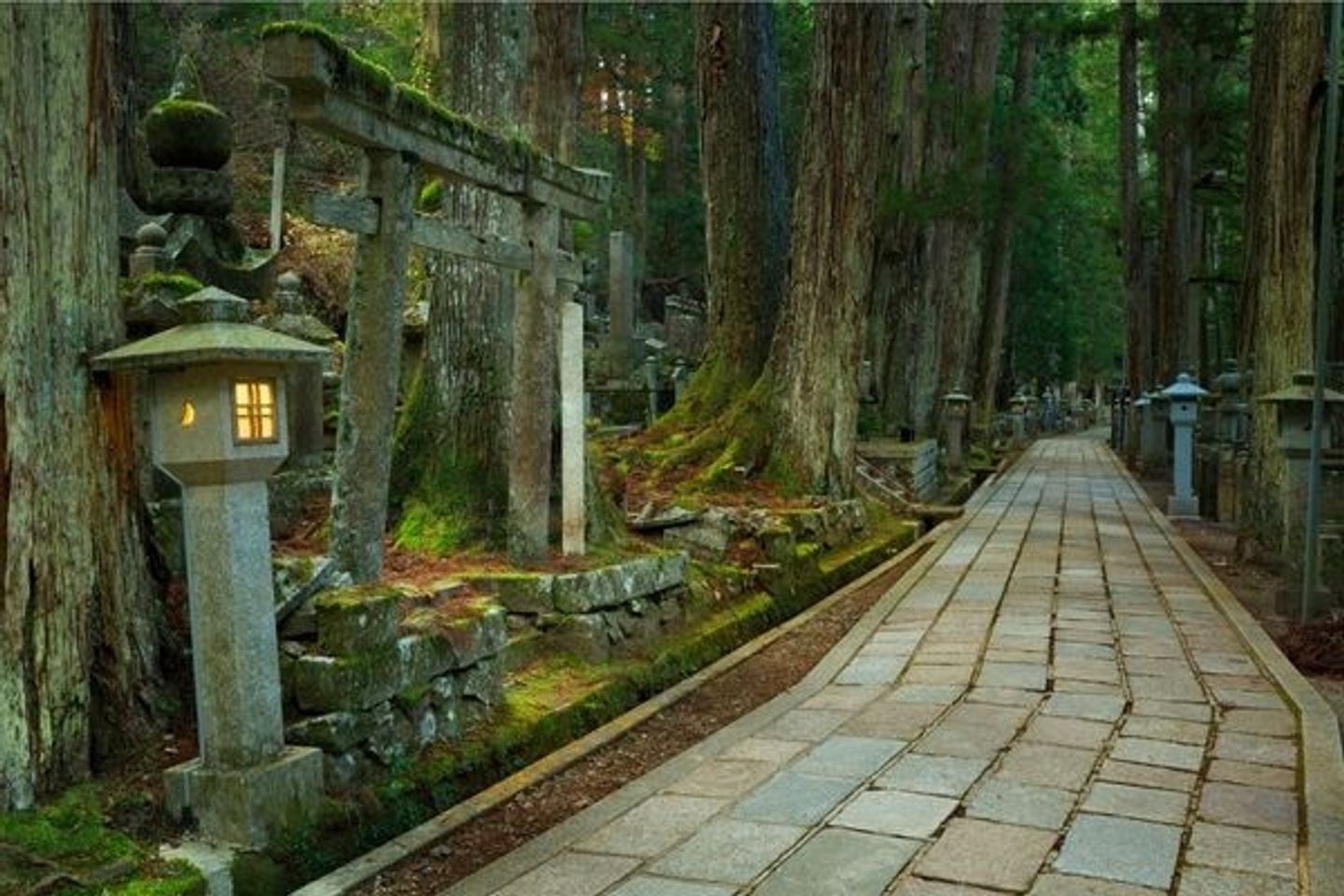
Today we visit the holy mountain of Koyasan, where Kobo Daishi founded Japanese Shingo Buddhism—and also, at least according to legend, the Japanese tradition of wakashudo (the way of boys), which first appeared in Japanese culture in a big way in Buddhist monasteries. We will visit the Kongo-buji temple, with its gilded sliding doors, the many temples of Danjo-Garan, including the beautiful vermilion Konpon Daito pagoda, and Okuno-in cemetery, centering on Kobo Daishi’s mausoleum, where he is buried, or, according to tradition, where he rests in eternal meditation while awaiting the Buddha of the Future. While visiting these amazing sights, we will learn about the tradition of love relationships between monks and acolytes (nenja and chigo).
At the end of the day we drive to Osaka.
Our hotel for the next 3 nights: Citadines Osaka Namba, a beautifully renovated Art Deco Hotel right near the malls at Namba Station and Osaka’s main nightlife district, Dotonbori.
Today we take an excursion by Shinkansen to one of the world’s most moving sights, the series of memorials in Hiroshima: the Peace Memorial Park, the Peace Memorial Park, and the Atomic Bomb Dome (pictured). We will also visit the nearby Itsukushima temple, one of Japan’s most famous beauty spots.
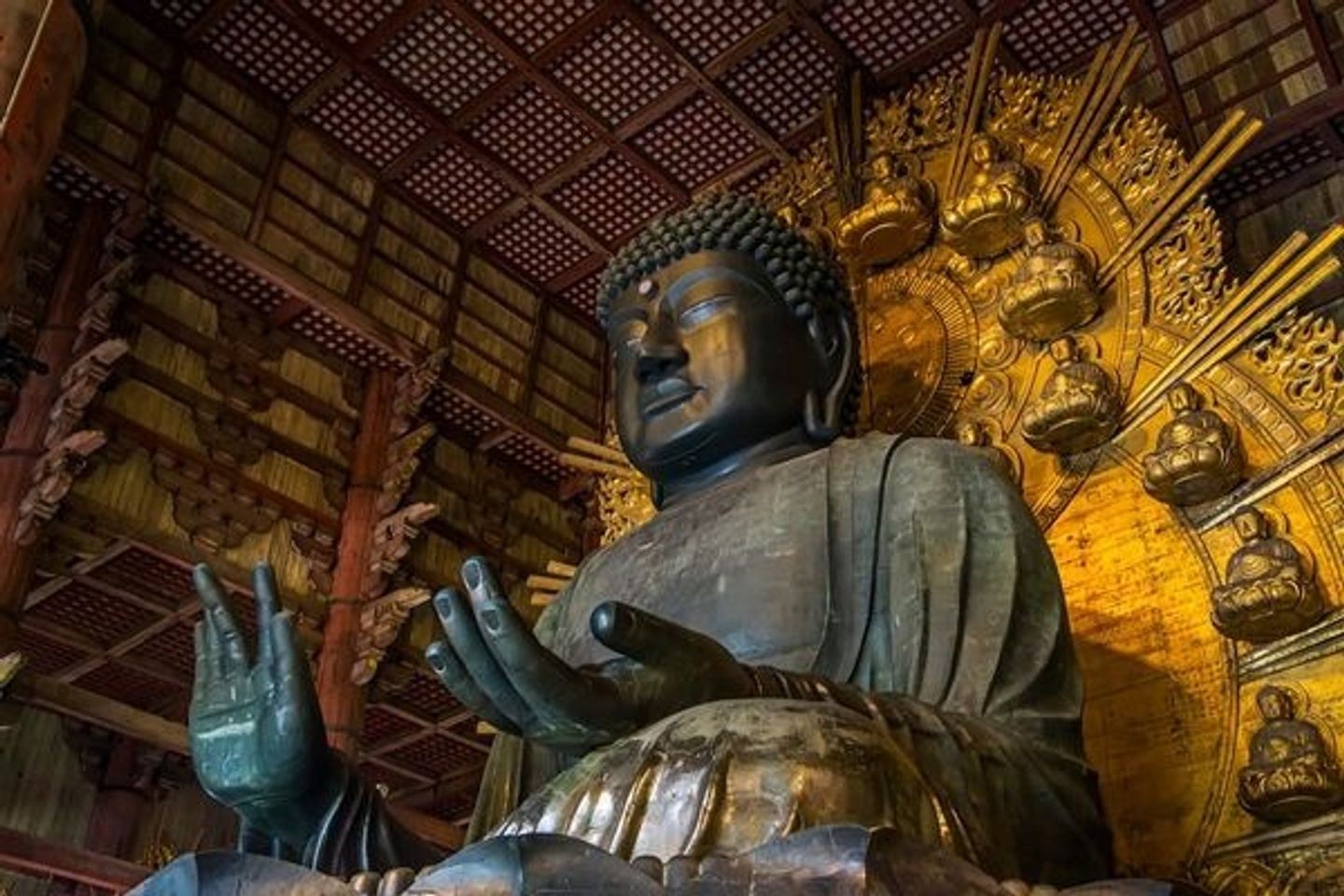
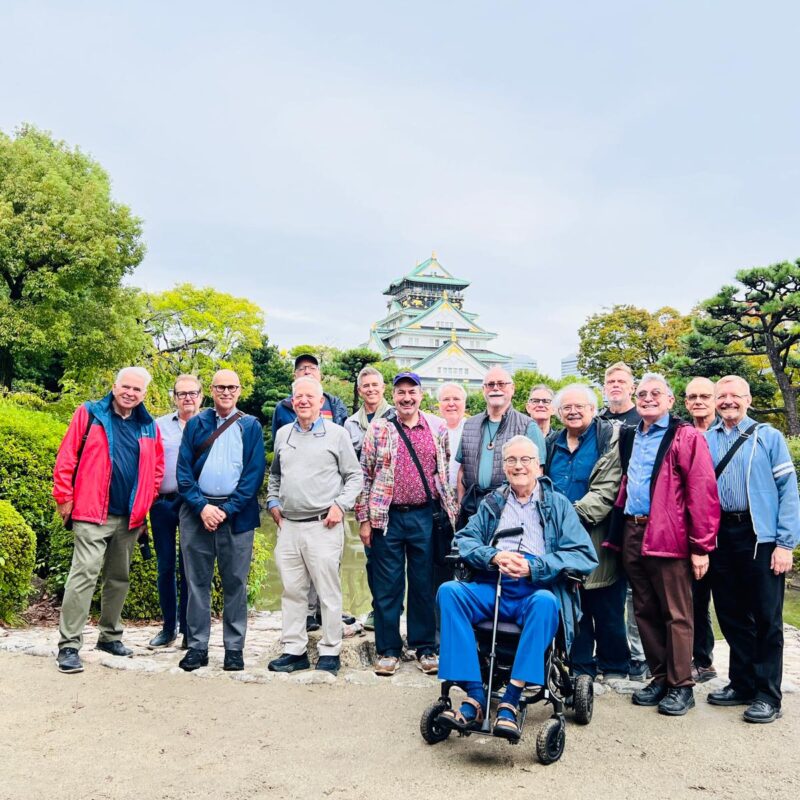
Today we take a half-day tour of Nara Park, one of Japan’s most famous, known for its five story pagoda, famous temples, and Great Buddha—and especially for its herd of 1400 deer, famous for bowing politely to ask for snacks of “deer crackers.” In the afternoon, we return to tour Osaka, with its stunning Castle (which you may know from the TV series Shogun) and the grave of Saikaku Ihara, the author of The Great Mirror of Male Love, a 17th century book of gay short stories, which you will know well by this time, as we will do readings throughout the tour when we visit places mentioned in it!
Tonight, instead of a farewell dinner, we take a street food tour of Osaka–the city in Japan most famous for its food!
Our tour ends with breakfast today. Please let us know if we can help you with further travel arrangements.
Professor Andrew Lear accompanies all of our tours. He is our founder; a famous scholar of same-sex love in the ancient world; and a master guide. Early in his career, Professor Lear won the Harvard Certificate of Excellence in Teaching five times, and on our tours you will see why! He really has the knack of making complex issues comprehensible—and entertaining. In most places, we are also required to have a local guide, and Professor Lear has developed a cadre of specially trained guides to work alongside him.
Professor Lear doesn’t have the time to do 10 tours a year, so our tours are not offered on an annual basis. Our general advice is: if you are interested, come on the tour! You never know when our tours will be offered again.
Absolutely. Our tour groups consist of a mix of singles and couples, usually about 50/50. One thing we can guarantee is that no-one will be left out of any conversation or plan because they are single. On the very first tour we did, we came downstairs in the hotel and found the entire group hanging out in the hotel bar. And that is the way our groups are. They make lots of plans in the evening, and everyone is always welcome.
Absolutely. The average age of our guests is in the 60s, and we often have guests in their 80s.
If you are worried about this, please contact us to discuss. This tour involves a fair amount of walking, in museums, city centers (which in Italy are pedestrian zones), and archaeological sites (which may of course have uneven ground). However, we have had many guests with difficulty walking or climbing stairs, and we generally manage to accommodate them, with a little flexibility on all sides.
Absolutely. Just let us know in advance, and we will handle it.
Our tours cover all kinds of LGBTQ+ history and art. The cultural material on some of our tours (especially in Italy and Greece) is more about gay male issues—but this is not true on other tours, for example, in England or Germany, where we cover a wide spectrum of LGBTQ+ material. Our groups are also very welcoming. We have had a great variety of guests in our groups (incuding even a few allies!) and they have been very much part “one of the family.”
We don’t believe so. Of course we don’t know everything that goes on, but our impression is that our tours are GREAT for making friends instead. Note: we include tours of gay nightlife in a few cities (Berlin and Tokyo so far), but in any case, we provide information about gay bars, saunas, etc. And we know what many of our guests go, often with others from the tour group.
Our hotels are gay friendly, absolutely. In Europe and Japan, our hotels are generally carefully chosen 4 star hotels. As a rule, we choose hotels for modern comfort, historic charm, and central location. In India and Nepal, we use almost exclusively 5 star hotels (except for one restored palace).
We are big foodies, and the meals on our tours are generally very good. In fact, we have often been told we could sell our tours as gourmet experiences. We are particularly concerned to include local specialties and regional cuisines.
All meals are included on our Asia tours, and they will include as many local specialties as possible. On this tour, there are also several special food-centered events: a dinner with geishas, a tea ceremony, and a sushi making class!
Our tours are not 100% all-inclusive, although pretty close. We include all hotel accommodation during the tour, transportation as per the itinerary, all admissions, and guiding. We include breakfast every day and on European tours generally one other substantial meal (though occasionally none or two). Note: we are NOT in the business of “upselling” our guests. There are very few optionals on our tours—and they are only things we really believe that some guests may not want to do (e.g. helicopter trips).
We generally leave the group free in the evenings, and when we are in a major city, we include a free afternoon, for shopping, more museums etc.
Our tours are based on a very high level of knowledge about LGBTQ+ history and art, and indeed about history and art in general. As a result, we include many places that are interesting and/or important but not well-known. Some of these, like the bar where Oliver plays cards with the locals while Elio watches him in Call Me By Your Name, may be closed to the public or difficult to access; others, like the penis temple of Nagoya, are simply not on the beaten tourist path.
The Japanese are very conformist and also buttoned-up, so this is not a country for PDA! But prejudice against same-sex love is much less strong than in Western countries, and the Japanese are not inclined to criticize the lives of visiting Westerners, so this not an issue you need to worry about when visiting Japan.
YES. A tour is a big investment, so you need insurance in case you are forced to cancel too late for a refund. This doesn’t happen often, but it has happened a few times in the 13 year life of this company, and the travel insurance companies have been very helpful. But note: you also need travel insurance in case of medical emergency. Your US insurance probably does not cover you abroad, and as we all know, you never know when something will come up. A friend of mine fell on a trip a few years ago and ended up being medivaced from Tunisia to Germany and ultimately back to the US. This would have cost hundreds of thousands of dollars, but luckily, he had good travel insurance, and it was covered 100%. Note: You can buy travel insurance from our ticketing platform, WeTravel, but that that is not obligatory. You should get an insurance policy, but it does not need to be from WeTravel.
Our cancellation policy is flexible. Before the full-payment deadline, we will return any of your deposit that hasn’t been put down in deposits—which generally means we can return 100%. After the full-payment deadline, it is critical (again) that you have travel insurance, as travel insurance will refund your trip in an emergency more completely than we can. We can assure you that it works, because we have seen it work several times: a few guests have had to cancel at the last minute, have been completely reimbursed by their insurance, and in most cases have taken the same tour with us the next time it was offered.
Yes, we can make a payment plan according to your needs.