1.646.560.3205
andrew@oscarwildetours.com


Was it a mockery of the Last Supper? Or an updated Feast of the Gods? Whichever it was, it was the most inclusive opening ceremony of the Olympics ever! And the most inclusive Olympics too, without a doubt—which might remind us that Paris (for all its reputation as a chilly, distant city) is one of the most LGBTQ+-friendly cities on earth. And it has been, since France became the first country to legalize same-sex relations in *1791*!
Gay Paree!
So come put the gay back into “Gay Paree” on this tour, and learn about France’s LGBTQ+ history and art, from the Court at Versailles to the Paris runways! Join our founder, Professor Andrew Lear, gay historian and master guide, and Paris’ most charming city guide (whom many of you know from our COVID-era virtual lectures) Edith de Belleville, for this really exceptional week soaking in Paris’ amazing LGBTQ+ history and of course enjoying its many charms—the food, the wine, the shopping, and, to put it in one word, the ambience—from May 5 to 12, 2025.
Is it time to go to Paris?
Frankly, it’s always a good time to take another trip to Paris. And how much fun it is to learn about a whole new side of this amazing city—its rich LGBTQ+ history, which you might have suspected was there but nobody would ever tell you about in detail. Come with us to see new sides of places you may well have been (like the Louvre) and places you probably haven’t been (like the Loire valley castle where Leonardo da Vinci lived with his great crush, assistant, and model, GianGiacomo Caprotti). And learn all kinds of stories about amazing Parisians like the real Cyrano de Bergerac (no, he wasn’t in love with his female cousin!), Louis XIV’s gay (and perhaps gender-fluid!) brother, Oscar Wilde of course—but also Proust and the aristocratic dandy and poet on whom he modeled the Baron de Charlus, Nijinsky, Gertrude Stein, Josephine Baker, James Baldwin and a phenomenal line-up of designers from Coco Chanel to Yves Saint Laurent, Christian Dior, and Pierre Cardin.
Always more to see in Paris!
We will spend 5 days in Paris, visiting neighborhoods—the Left Bank, the Marais, the Place Vendôme—monuments—the Opéra, the Palais Royal— cemeteries—Père Lachaise and Montmartre—and of course museums—the Louvre, the Museum of Romantic Life, the Carnavelet (Paris City Museum), and the Yves Saint Laurent Museum. We will take you to some great meals, and you will have free evenings to explore the city’s restaurants and a free afternoon for more museums and shopping. And then we will spend 2 days in the glorious Loire Valley, soaking in the beauty of the countryside, visiting castles, drinking wine…. And finally, you can return to Paris or spend one more day with us visiting Proust’s village (where Swann’s Way is set) and the unbelievably beautiful cathedral of Chartres on our way back north.
In short, make your next trip to Paris with us, and experience this ever-fascinating city a new and fabulous way.
And by the way, if you have never been to Paris, this is a great introduction to the city as well, as we hit most of the famous highlights, just from an LGBTQ+ angle!
We meet in the afternoon and take a stroll around the left bank, learning about its history of literature and music. We see key places in the lives of Left Bank residents like Jean-Paul Sartre and Simone de Beauvoir—plus a long list of LGBTQ+ personalities from the lesbian flappers of the 1920s to James Baldwin, who wrote his first novel in a Left Bank Café. Our afternoon ends at the hotel where Oscar Wilde lived his last years and died—the place where he said his famous last words: “Either this wallpaper goes, or I do.” The owner in Wilde’s time was very supportive of his famous/notorious guest, and today’s owners have celebrated him by opening the Oscar Wilde lounge, where we will have a drink together to celebrate Mr Wilde, LGBTQ+ Paris, and our tour!
Hotel: Hotel Edouard VII, 39 Avenue de l’Opéra, Paris. This charming boutique hotel is the only hotel on the Avenue de l’Opéra, right in the absolute heart of Paris. It takes its name from the fact that Edward VII, while still Prince of Wales, maintained a love nest there. We love them taking their name from a scandal! What could be more Parisian?
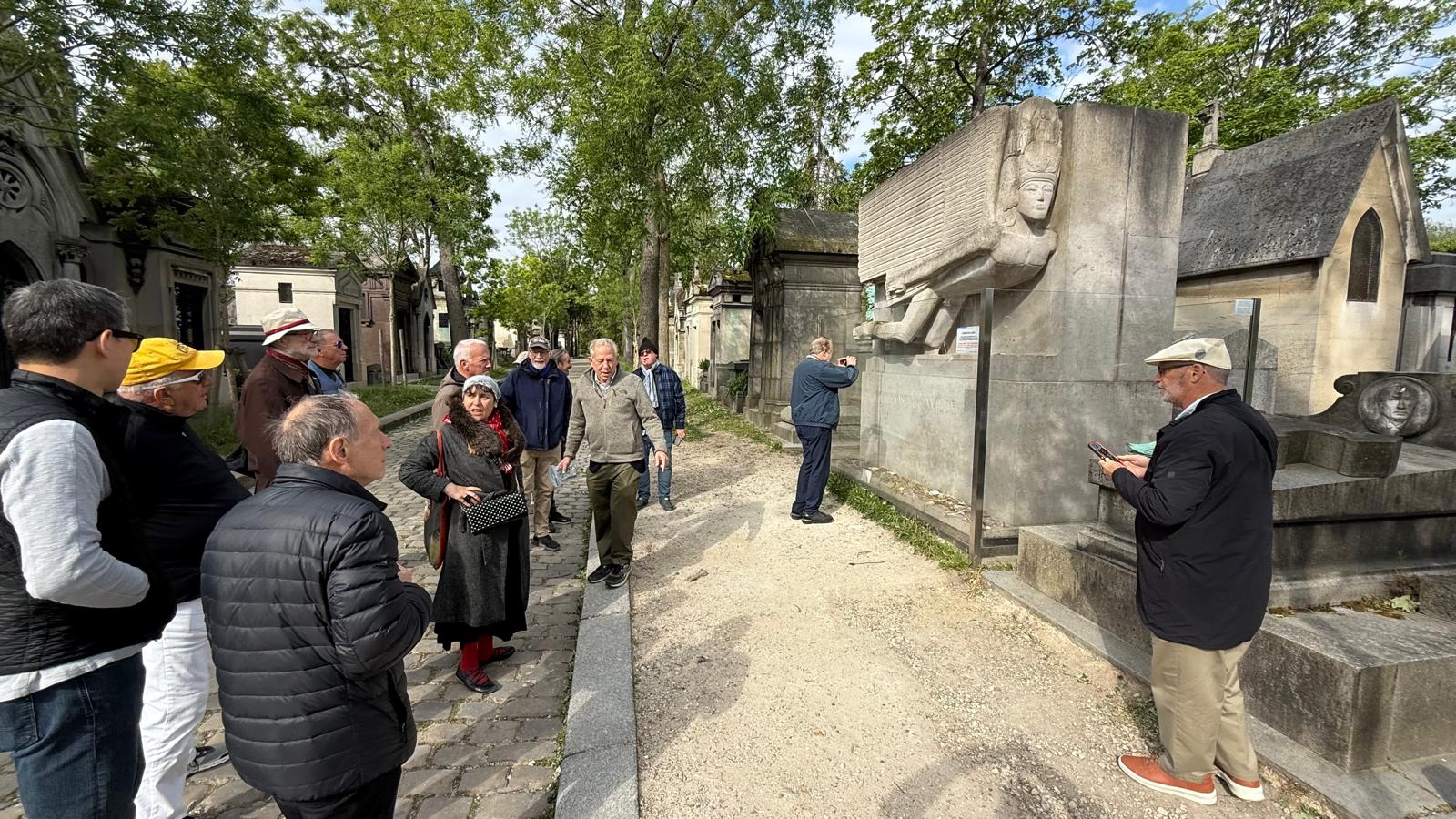
Today is a day for Paris’ fabulous cemeteries. In the morning, Père Lachaise, the most visited cemetery in the world—famous for its astonishing list of residents, including some straight people like Maris Callas and Jim Morrison, but also a many LGBTQ+ people, starting with the famous tombs of Oscar Wilde and Gertrude Stein (and her wife Alice B Toklas), as well as Proust, Colette, and a host of others, including great gay icons like Edith Piaf. We will learn about France’s elimination of sodomy laws—at the tomb of the man who may be responsible—the first modern novel with a gay character, Chopin’s love letters to a young man, and many other fascinating stories. We have lunch at one of the great 19th century Paris brasseries. Then it is off to Montmartre, to explore its history, artistic and racy, from Van Gogh to the bar that inspired La Cage aux Folles. Then we walk downhill for another, shorter cemetery walk in the less known but equally charming Montmartre Cemetery, where we see the tomb of the woman who inspired The Lady of the Camellias, La Traviata, Cuckor’s Camille, and Pretty Woman, as well as LGBTQ+ people like the great dancer and choreographer Nijinsky. If the group isn’t tired, we can end our at a harem-themed bar in what was a 19th century brothel….
This morning, we go on a “gay secrets” tour of the Louvre. The Louvre has many of the greatest LGBTQ+ artworks in the world, from the ancient Roman Hermaphrodite (reclining on the mattress made for them by Bernini in the 17th century!) to Michelangelo’s highly erotic “Dying Slave” and Leonardo’s St John the Baptist (or is it Bacchus?)—almost certainly a portrait of his life-long crush, GianGiacomo Caprotti, whom Leonardo nicknamed Salaì, Florentine dialect for “devil.” We have lunch as a Classic Parisian bistro nearby and then visit the gardens of the Palais Royal—the palace of Louis XIV’s gay/queer brother Philippe (known at the time simply as “Monsieur”) with its fascinating history as an 18th century fashion mall, a den of Revolutionary intrigue—and later the home of Colette, whose tomb we saw yesterday—a woman whose writing and life story are both full of varied LGBTQ+ loves.
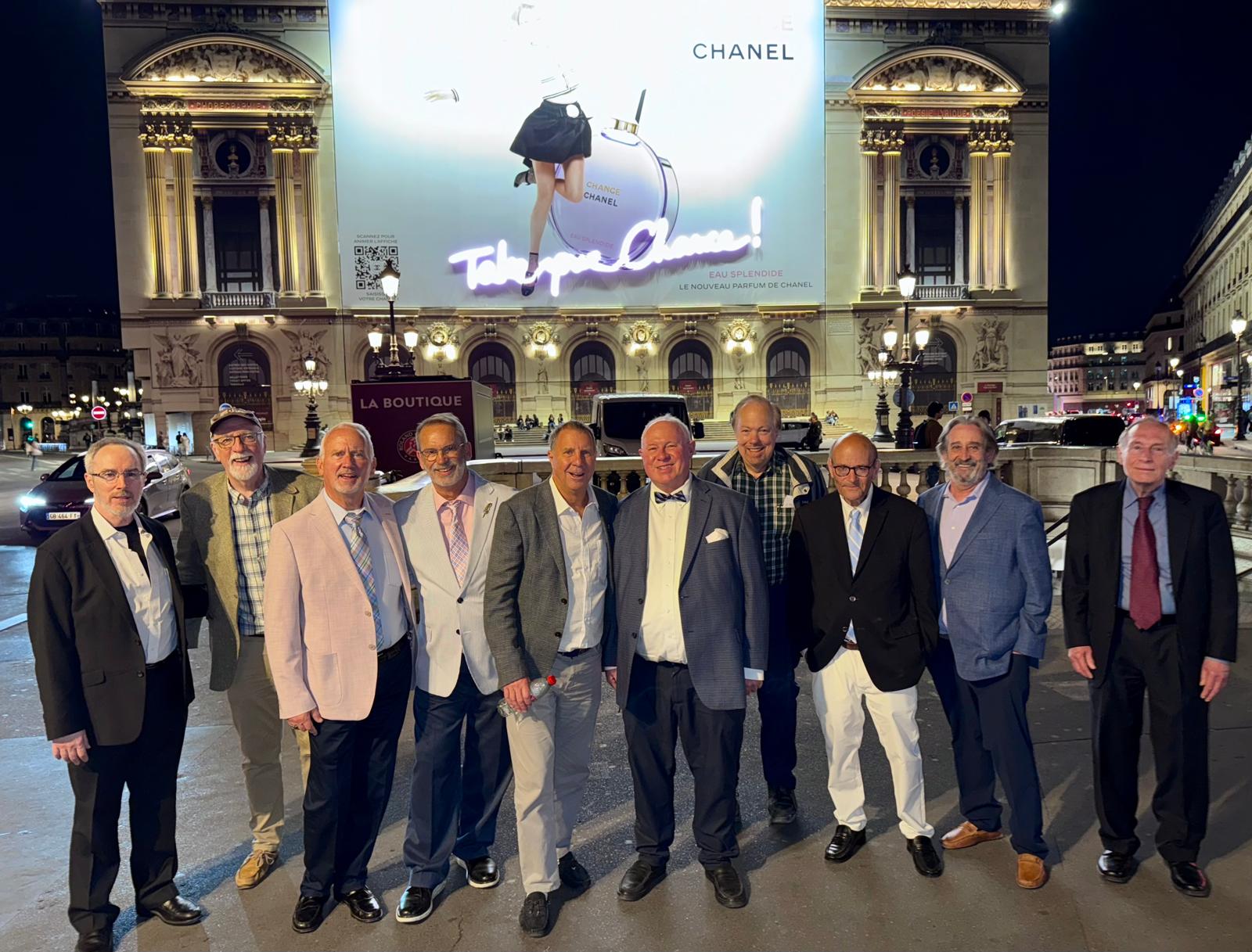
We start today with a tour of Paris’ great opera house, the center of Paris society in the 19th century—both high society and the so-called demi-monde of courtesans and mistresses. The opera is also the setting of the enduring story of The Phantom of the Opera. And it has a long history of great gay dancers, including Nureyev (who defected in Paris in 1961 and directed the Paris Opera Ballet in the 1980s) and the great (and showy) star of Nureyev’s directorship, Patrick Dupond. After lunch, we change themes: from dancers to designers, with a fashion history tour around the Place Vendôme and the rue St-Honoré. See today’s boutiques, and learn about the history of this quintessential Parisian industry, from Marie Antoinette to Coco Chanel and Christian Dior. We end our afternoon with a visit to Paris’ premiere perfume museum, where you learn about both the technique of making perfume and the history of beautiful perfume containers (and where you can have your own fragrance blended!)
This morning we visit the Marais, long Paris’ gayborhood—set in the most aristocratic neighborhood of 17th-18th century Paris, which slid downhill in the 19th and 20th until (as with so many neighborhoods in other cities) the gays started to renovate. We will see a mix of things—18th century palaces, gay bars, Paris’ most beautiful square, and also the traditional Jewish neighborhood. We end our morning at the Musée Carnavelet, Paris’ city museum, set in a beautiful 17th century palace—and full of fascinating stuff, including the famous cork-lined bedroom in which Marcel Proust wrote In Remembrance of Things Past, and a portrait of the greatest lesbian salonnière of Paris history, the American heiress and novelist Natalie Barney, by the great lesbian painter (and her lover) Romaine Brooks—though note that Barney was also the lover of Oscar Wilde’s niece Dolly! After the museum, you can join us for lunch at Paris’ oldest covered market (with among other things probably the world’s great sandwich stand) and in the afternoon, we offer an optional tour of the Orsay Museum. But you are free, to explore more museums, or neighborhoods, or shops, and of course restaurants (feel free to ask us for advice)!
Today we take s private bus down to the Loire Valley, to the charming city of Blois. We start our exploration of the Loire’s gastronomic specialties and visit the castle of Blois, one of the fabulous series of castles and palaces that the French royal family built through this loveliest of French regions in the Renaissance. We see Catherine de Médicis’ medicine (or poison?) cabinet and learn about her son, King Henri III—certainly a dandy and possibly bisexual—who with his courtiers murdered the Duke of Guise in this very castle (and executed his brother the Cardinal the next morning). In short, this will be an exciting start to our visit to the Loire!
Hotel: Mercure Blois Centre. 28 Quai Saint Jean, Blois. A nice hotel with views over the Loire, and about a 5 minute walk from the charming centre of Blois, packed with restaurants, bars, and charming shops.
This morning we drive the short distance to Amboise, another lovely river town dominated by a castle, where we visit the Clos Lucé, the manor house given by François I to the great gay artist and all-round genius Leonardo da Vinci. It is here that Da Vinci died, leaving the Mona Lisa and the St John the Baptist (which we saw at the Louvre) to his love GianGiacomo Caprotti (who almost certainly modeled for one of them—possibly both!). The manor is now a museum of Leonardo’s inventions and designs, with models scattered through the gardens. After a visit to Amboise’s wonderful farmer’s market, we have lunch at another fantastic Loire restaurant (often our guests’ favorite restaurant on the tour) and then set off for the most beautiful of all the Loire castles, Chenonceau—the famous castle with the Cher river flowing beneath it, fought over by Catherine de Médicis and her husband’s mistress, Diane de Poitiers. And you can easily see why! We return to Blois for a free evening.
Our tour ends this morning, and those who want can return to Paris by train.
Those who can take another day can join us for a short extension. Our bus takes us to Chartres to visit the Cathedral of Chartres, the masterpiece of the Gothic—and above all the paradise of beautiful stained glass. After lunch, we have some free time in Chartres, to visit the excellent art museum and wander the medieval city, where we will learn the story of the great hero of the French resistance, Jean Moulin, who started his resistance as prefect of Chartres, when he refused under torture to sign a declaration blaming France’s black African soldiers for the deaths of civilians caused by German bombing.
Hotel: Castel Maintenon, 1 rue de la Ferté, Maintenon. A lovely hotel right next door to the castle of Madame de Maintenon, Louis XIV’s last official mistress (and almost certainly his secret wife!).
This morning we will visit the Castle of Madame de Maintenon, the last of Louis XIV’s “favorites” (and almost certainly secretly his wife). We then take a short trip to the village of Illiers, called Combray in Proust’s masterpiece, In Remembrance of Things Past (and now officially Illiers-Combray in his honor). We have a lovely country lunch and then visit the house which is the setting for the beginning of Proust’s novel, the Proust Museum and House of “Aunt Léonie” (really Proust’s uncle and aunt Jules and Elisabeth Amiot)—a beautifully preserved 19th century bourgeois French home which brings Proust’s world to life. Among other things, you will learn why the little cakes called Madeleines were popular in Illiers! In the late afternoon, we take the train back to Chartres and thence to Paris, only an hour away.
Professor Andrew Lear accompanies all of our tours. He is our founder; a famous scholar of same-sex love in the ancient world; and a master guide. Early in his career, Professor Lear won the Harvard Certificate of Excellence in Teaching five times, and on our tours you will see why! He really has the knack of making complex issues comprehensible—and entertaining. In most places, we are also required to have a local guide, and Professor Lear has developed a cadre of specially trained guides to work alongside him.
Professor Lear doesn’t have the time to do 10 tours a year, so our tours are not offered on an annual basis. Our general advice is: if you are interested, come on the tour! You never know when our tours will be offered again.
Absolutely. Our tour groups consist of a mix of singles and couples, usually about 50/50. One thing we can guarantee is that no-one will be left out of any conversation or plan because they are single. On the very first tour we did, we came downstairs in the hotel and found the entire group hanging out in the hotel bar. And that is the way our groups are. They make lots of plans in the evening, and everyone is always welcome.
Absolutely. The average age of our guests is in the 60s, and we often have guests in their 80s.
If you are worried about this, please contact us to discuss. This tour involves a fair amount of walking, in museums, city centers (which in Italy are pedestrian zones), and archaeological sites (which may of course have uneven ground). However, we have had many guests with difficulty walking or climbing stairs, and we generally manage to accommodate them, with a little flexibility on all sides.
Absolutely. Just let us know in advance, and we will handle it.
Our tours cover all kinds of LGBTQ+ history and art. The cultural material on some of our tours (especially in Italy and Greece) is more about gay male issues—but this is not true on other tours, for example, in England or Germany, where we cover a wide spectrum of LGBTQ+ material. Our groups are also very welcoming. We have had a great variety of guests in our groups (incuding even a few allies!) and they have been very much part “one of the family.”
We don’t believe so. Of course we don’t know everything that goes on, but our impression is that our tours are GREAT for making friends instead. Note: we include tours of gay nightlife in a few cities (Berlin and Tokyo so far), but in any case, we provide information about gay bars, saunas, etc. And we know what many of our guests go, often with others from the tour group.
Our hotels are gay friendly, absolutely. In Europe and Japan, our hotels are generally carefully chosen 4 star hotels. As a rule, we choose hotels for modern comfort, historic charm, and central location. In India and Nepal, we use almost exclusively 5 star hotels (except for one restored palace).
We are big foodies, and the meals on our tours are generally very good. In fact, we have often been told we could sell our tours as gourmet experiences. We are particularly concerned to include local specialties and regional cuisines.
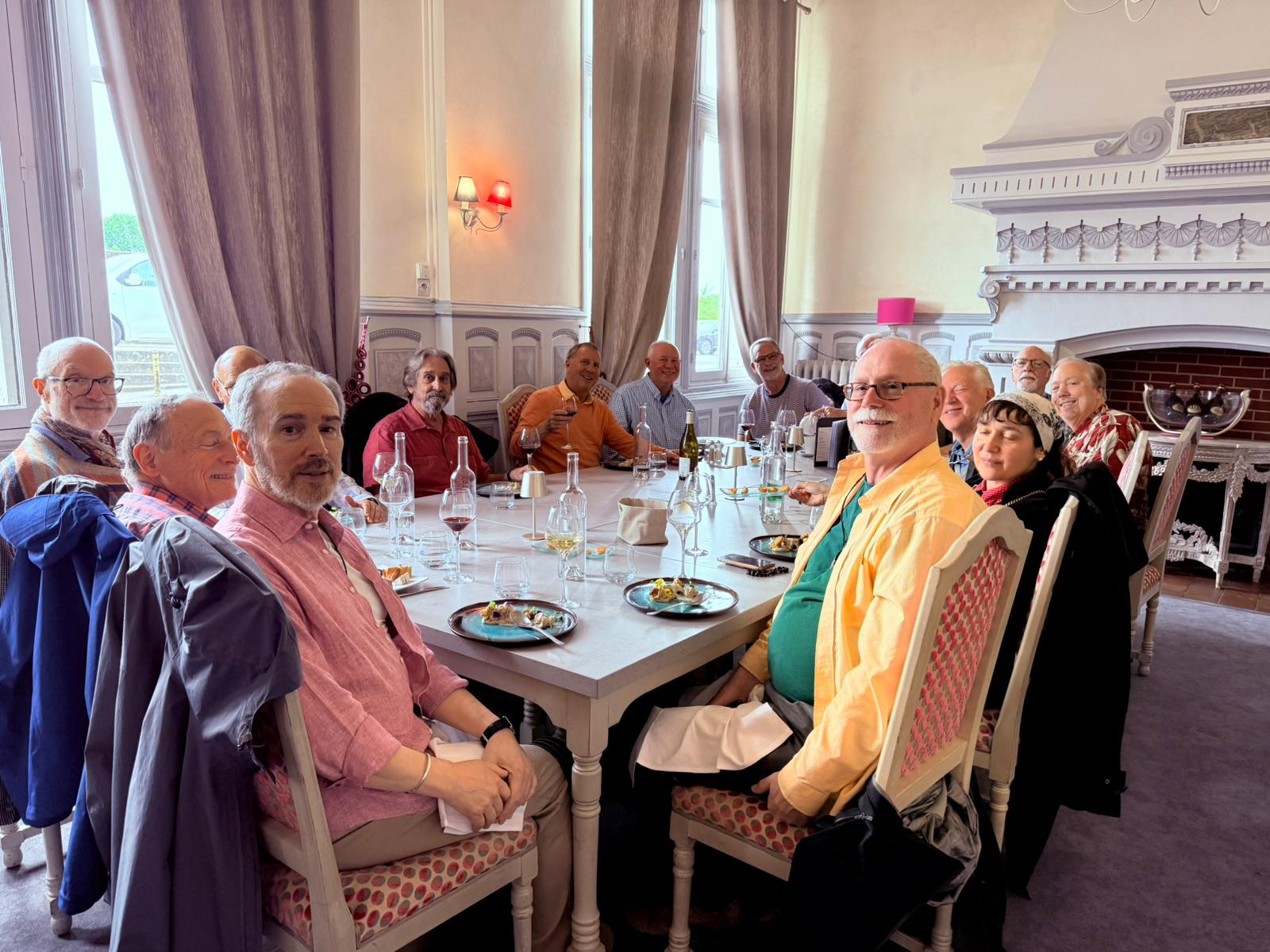
We include breakfast every day and on European tours generally one other substantial meal (though occasionally none or two). Since our tours often include activities both morning and afternoon, we tend to include lunch. And we tend to leave you free in the evening, except for the first and last evenings on the tour, when we have welcome and farewell dinners—though of course sometimes we include an extra dinner. This tour includes breakfast every day, 7 lunches, and 2 dinners–all gourmet.
Our tours are not 100% all-inclusive, although pretty close. We include all hotel accommodation during the tour, transportation as per the itinerary, all admissions, and guiding. We include breakfast every day and on European tours generally one other substantial meal (though occasionally none or two). Note: we are NOT in the business of “upselling” our guests. There are very few optionals on our tours—and they are only things we really believe that some guests may not want to do (e.g. helicopter trips).
We generally leave the group free in the evenings, and when we are in a major city, we include a free afternoon, for shopping, more museums etc.
Our tours are based on a very high level of knowledge about LGBTQ+ history and art, and indeed about history and art in general. As a result, we include many places that are interesting and/or important but not well-known. Some of these, like the bar where Oliver plays cards with the locals while Elio watches him in Call Me By Your Name, may be closed to the public or difficult to access; others, like the penis temple of Nagoya, are simply not on the beaten tourist path.
Italy is actually very gay-friendly. It has got a bad reputation in recent years, because it does not have gay marriage. But Italy was not homophobic in the way the US and UK were in previous eras, so while it has not caught up with the rest of Europe on gay rights, it was and is a safe and friendly country for LGBTQ+ travelers.
YES. A tour is a big investment, so you need insurance in case you are forced to cancel too late for a refund. This doesn’t happen often, but it has happened a few times in the 13 year life of this company, and the travel insurance companies have been very helpful. But note: you also need travel insurance in case of medical emergency. Your US insurance probably does not cover you abroad, and as we all know, you never know when something will come up. A friend of mine fell on a trip a few years ago and ended up being medivaced from Tunisia to Germany and ultimately back to the US. This would have cost hundreds of thousands of dollars, but luckily, he had good travel insurance, and it was covered 100%. Note: You can buy travel insurance from our ticketing platform, WeTravel, but that that is not obligatory. You should get an insurance policy, but it does not need to be from WeTravel.
Our cancellation policy is flexible. Before the full-payment deadline, we will return any of your deposit that hasn’t been put down in deposits—which generally means we can return 100%. After the full-payment deadline, it is critical (again) that you have travel insurance, as travel insurance will refund your trip in an emergency more completely than we can. We can assure you that it works, because we have seen it work several times: a few guests have had to cancel at the last minute, have been completely reimbursed by their insurance, and in most cases have taken the same tour with us the next time it was offered.
Yes, we can make a payment plan according to your needs.
As Seen In

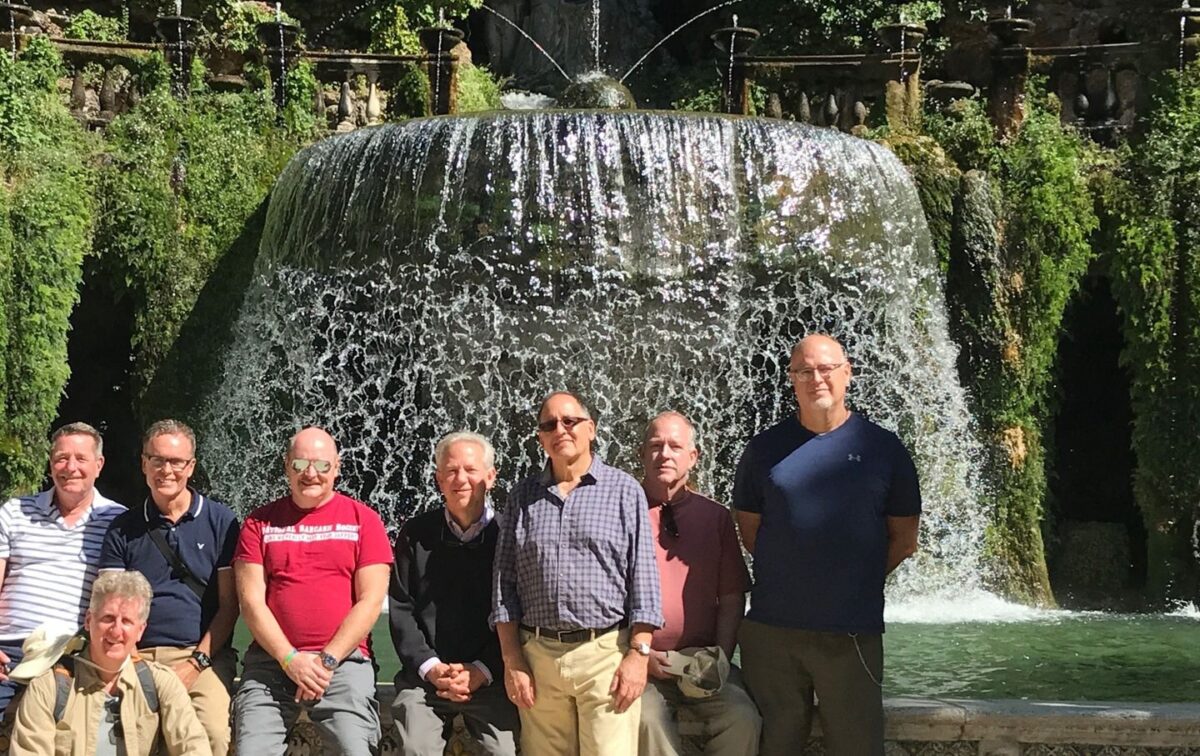
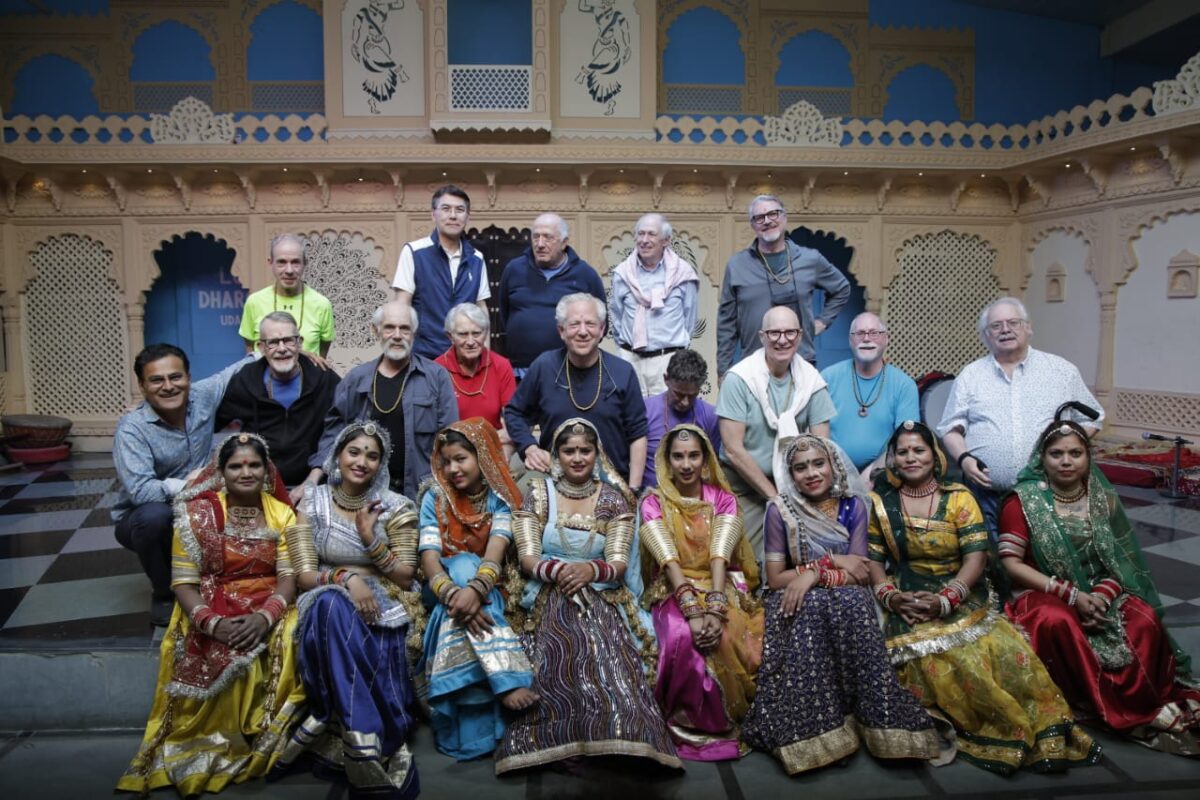

An asbolutely terrfic tour! Highly recommend.