

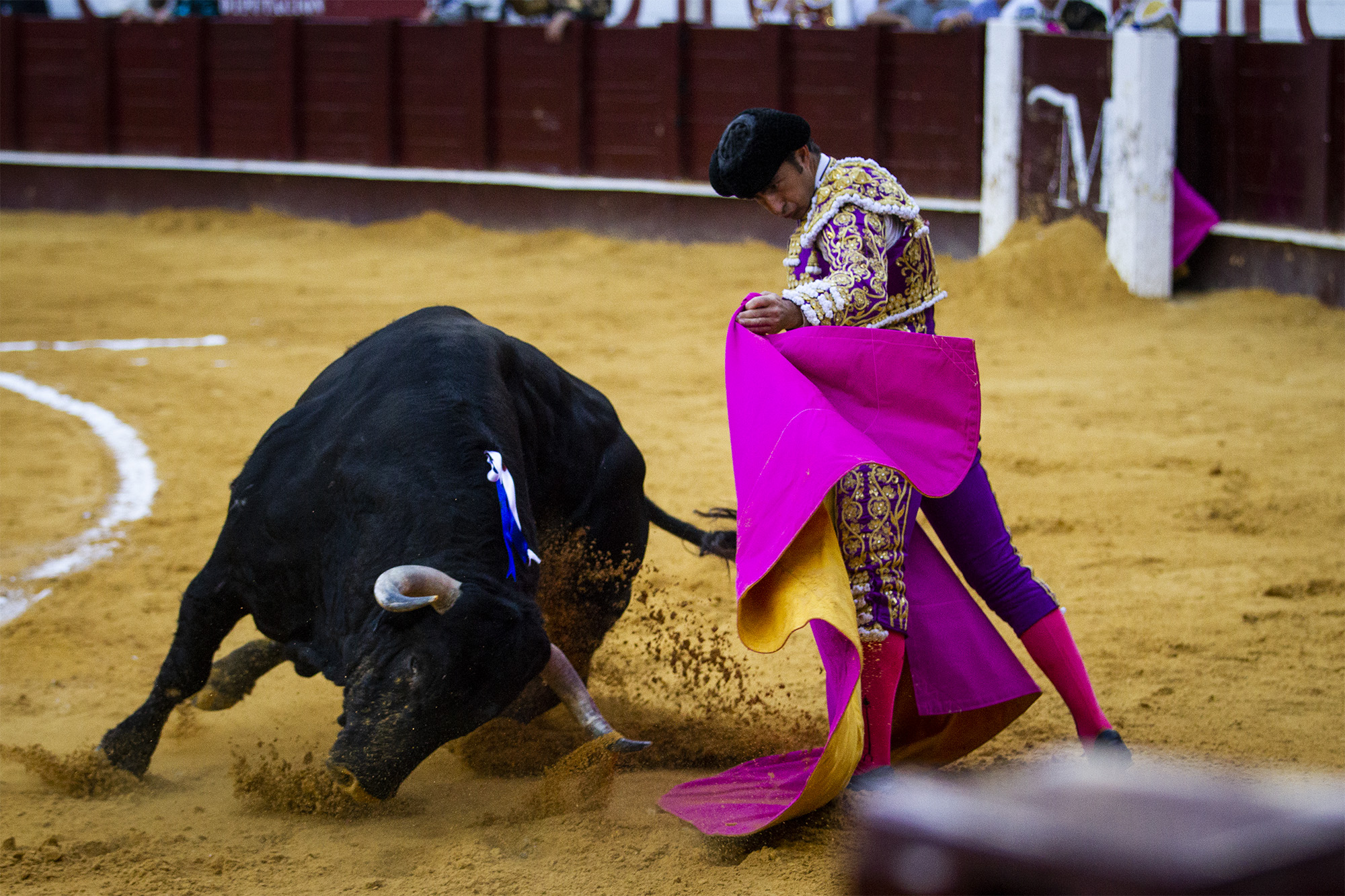
Spanish culture has a reputation for being macho, but if you look at its macho traditions….just how far are bullfighters making tightly choreographed moves in their sparkly costumes from looking…over-the-top…possibly gay?
Well, I don’t want to argue that Spanish culture is inherently queer, but certainly several of its greatest artists have been gay and had a similar kind of over-the-top highly dramatic aesthetic—imbued with the tortured, melodramatic spirit of flamenco.
The connection to flamenco is constant and explicit in the work of Federico Garcia Lorca (1898-1936) who is probably Spain’s greatest modern poet and also one of great gay martyrs: he was assassinated by fascist forces at the beginning of the Spanish Civil War as a result of his socialist politics and his homosexuality, and his corpse was buried in an unmarked grave—never to be found again.
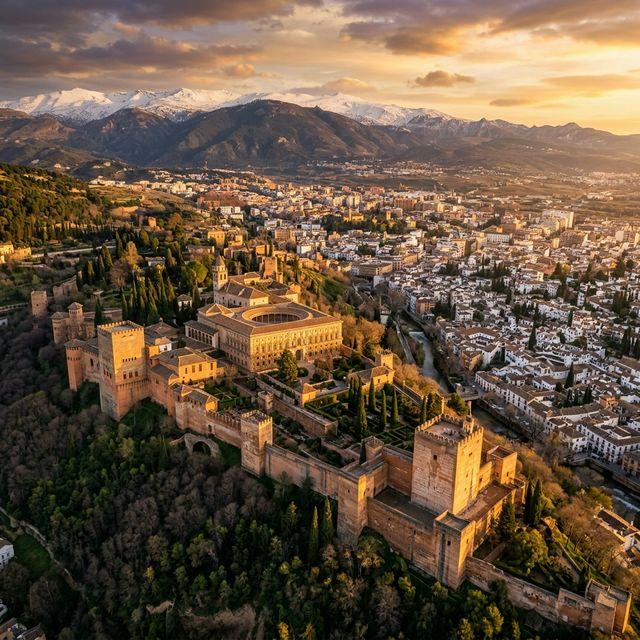 And his most explicitly gay work almost vanished as well. Lorca’s *Sonetos del Amor Oscuro *(Sonnets of Dark Love) were never published until the 1980s, and only after pressure was brought on his family, who wanted to keep them concealed.
And only a few pages survive of the novel Lorca started to write in 1936 about a young gay man who is blackballed at a club because of his homosexuality. But this year a movie inspired by it came out in Spain, called (like Lorca’s unfinished novel) *La Bola Negra* (The Black Ball). It won Best Director at the Cannes Festival and will be released in the USA in October 2026.
Speaking of movies, Spain’s other most famous gay artist is film director Pedro Alomodòvar (1949-). Almodòvar’s aesthetic is extremely campy, and there are many LGBTQ+ characters, relationships, and themes in his movies. Already in 1987, his *La Ley del Deseo *(*The Law of Desire*) was about a gay love triangle, one point of which was played by the then not yet famous Antonio Banderas—but probably its most famous queer moment is when the great actress Carmen Maura, playing the main character’s transsexual sister, tells a street cleaner to hose her down to cool her off in the sweltering heat. But there are many other gay-themed Almodòvar movies, including most recently *Strange Way of Life* (2023)—one of the most explicitly gay Westerns.
Both of these artists are very closely connected to their home cities, Lorca to Granada and Almodòvar to Madrid (and especially to Madrid’s gayborhood, the Chueca). Want to find out more? Come on Oscar Wilde Tours’ LGBTQ+ history and art tour of Spain, with all of Spain’s famous sights (the Sagrada Familia, the Prado, the Alhambra etc), plus as always with our tours, special LGBTQ+ sights and tours, including an Almodòvar tour of Madrid and a Lorca tour of Granada!


