

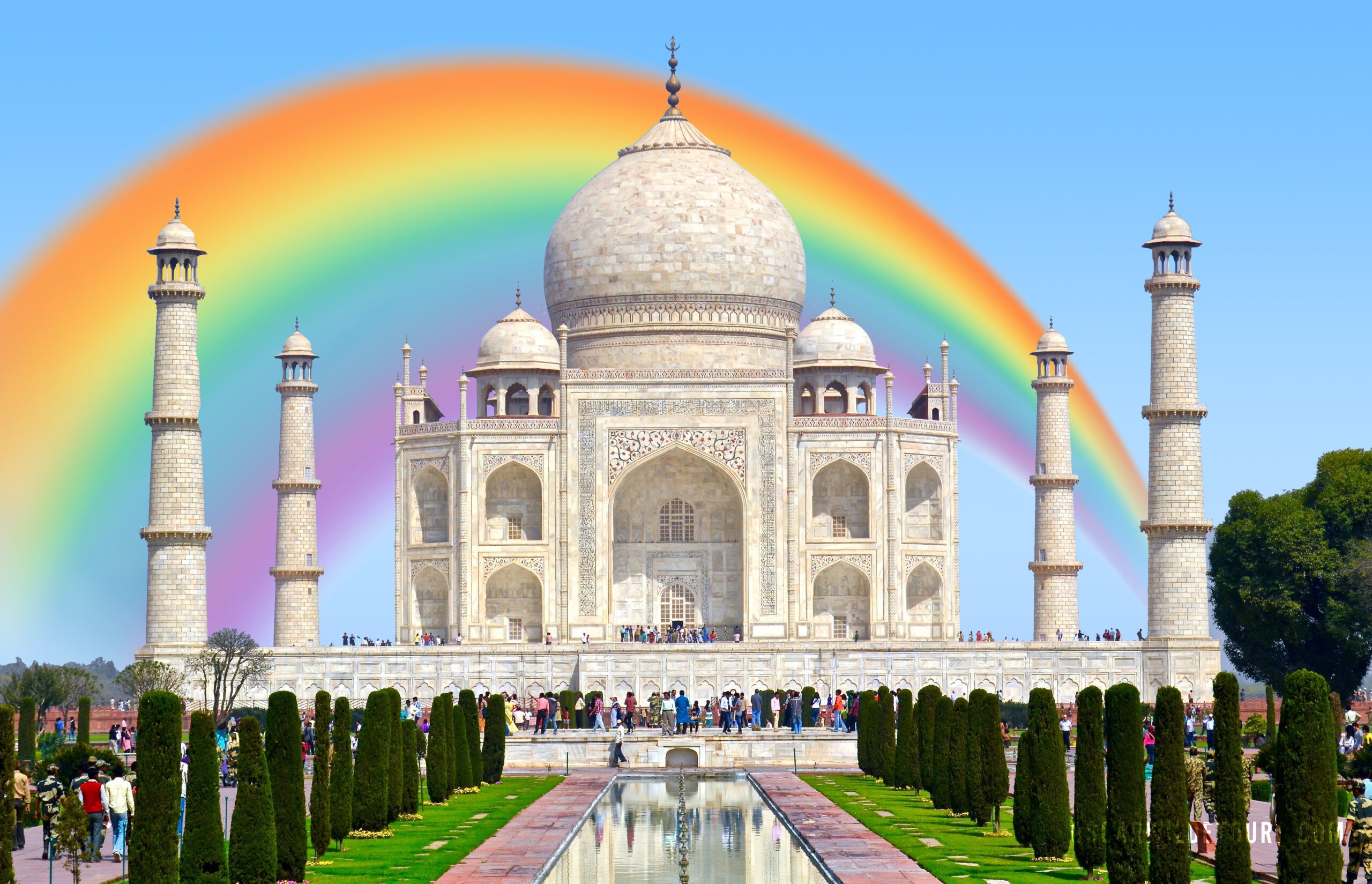
When people talk about LGBTQ+ history, they almost always talk about the West. But there is plenty of LGBTQ+ history in Asia as well!
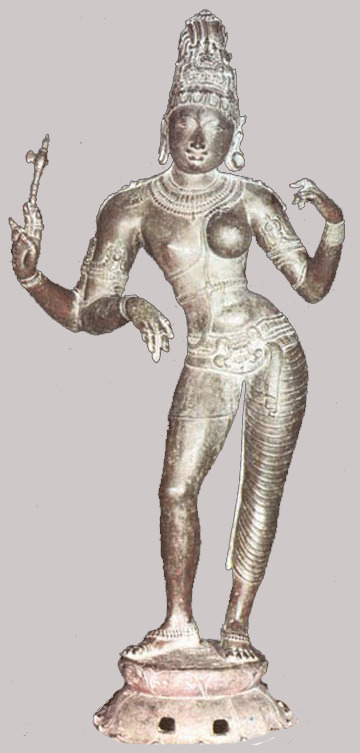
In India, for instance, even the gods in myth are gender-fluid. The god Shiva, for instance, merges with his wife Parvati and becomes the mixed-sex Ardhanarisvara.
There is also a traditional third sex in India. They are mentioned in the the Kama Sutra—the “book of love”—the undatable from very ancient Indian guide to life, including sex, and also in the Indian epics, the Mahabharata and the Ramayana.
In the Ramayana, when the god Rama goes into exile in the forest, he tells his male and female followers to return to the city, but his third-sex followers, realizing that they were not mentioned, stay with him. Moved by their loyalty, he gives them the power to grant blessings at weddings and births.
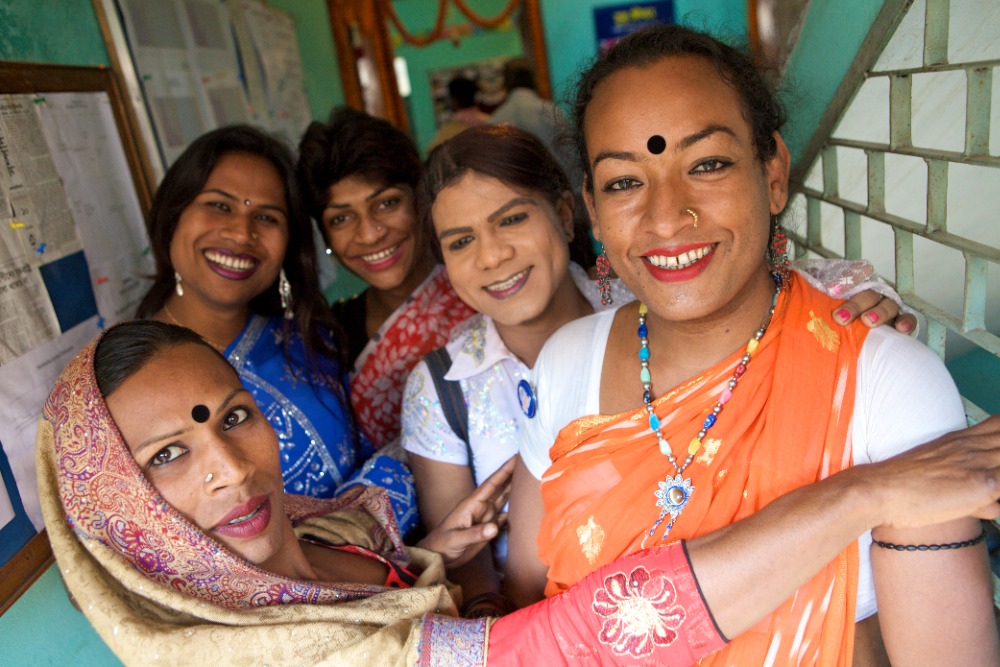
This is what scholars call an aetiological myth, a story that provides a background for a real custom. Because there has always been a community of third-sex people in India, called hijras or kinnars, whose principal function in society is or was to give blessings at weddings and birth ceremonies.
 The British colonial authorities attempted to suppress hijras, but the community survived. In fact, while the Indian census counts only 500,000 hijras, there are probably in reality between 2 and 3 million in India today, and smaller numbers in surrounding countries.
 The British did, however, succeed in diminishing their status, and today, the hijra community is marginalized and impoverished. But efforts are underway to improve the situation. There are, for instance, now a dozen shelters for LGBTQ+ youth who have been kicked out of their family homes; the majority of the young people in the shelters are hijras, but all LGBTQ+ young people are welcome.
There is also a record of the LG parts of the LGBTQ+ spectrum in Indian history. The Kama Sutra also mentions oral sex between men. A 12th century commentary even talks about men 69ing and says that women too can have oral sex with each other.
And in the most famous of the Indian temples covered in sculpture (from the 10th-11th centuries), at Khajuraho in Uttar Pradesh, among the many sex scenes, there is scene in which a man grasps another man’s phallus, and among the orgy scenes, there are scenes in which women seem to be stimulating each other.
There is also a record of same-sex love from the period of the Muslim Mughal emperors. The founder of the Mughal dynasty, Babur, (ruled 1526-1530) wrote an autobiography, and in it he tells us that his first crush was on a young man who worked in the market: “From time to time Bāburi used to come to my presence but out of modesty and bashfulness, I could never look straight at him; how then could I make conversation? In my joy and agitation I could not thank him for coming; how was it possible for me to reproach him with going away? What power had I to command the duty of service to myself?”
There were some early modern Western monarchs whom we today we would call gay or bisexual, like King James I or England, but is there one who wrote about being overcome with shyness when his male crush was in front of him? No, there isn’t. So for that reason, and many others, we should think more about India, and Asia, when we talk about LGBTQ+ history!
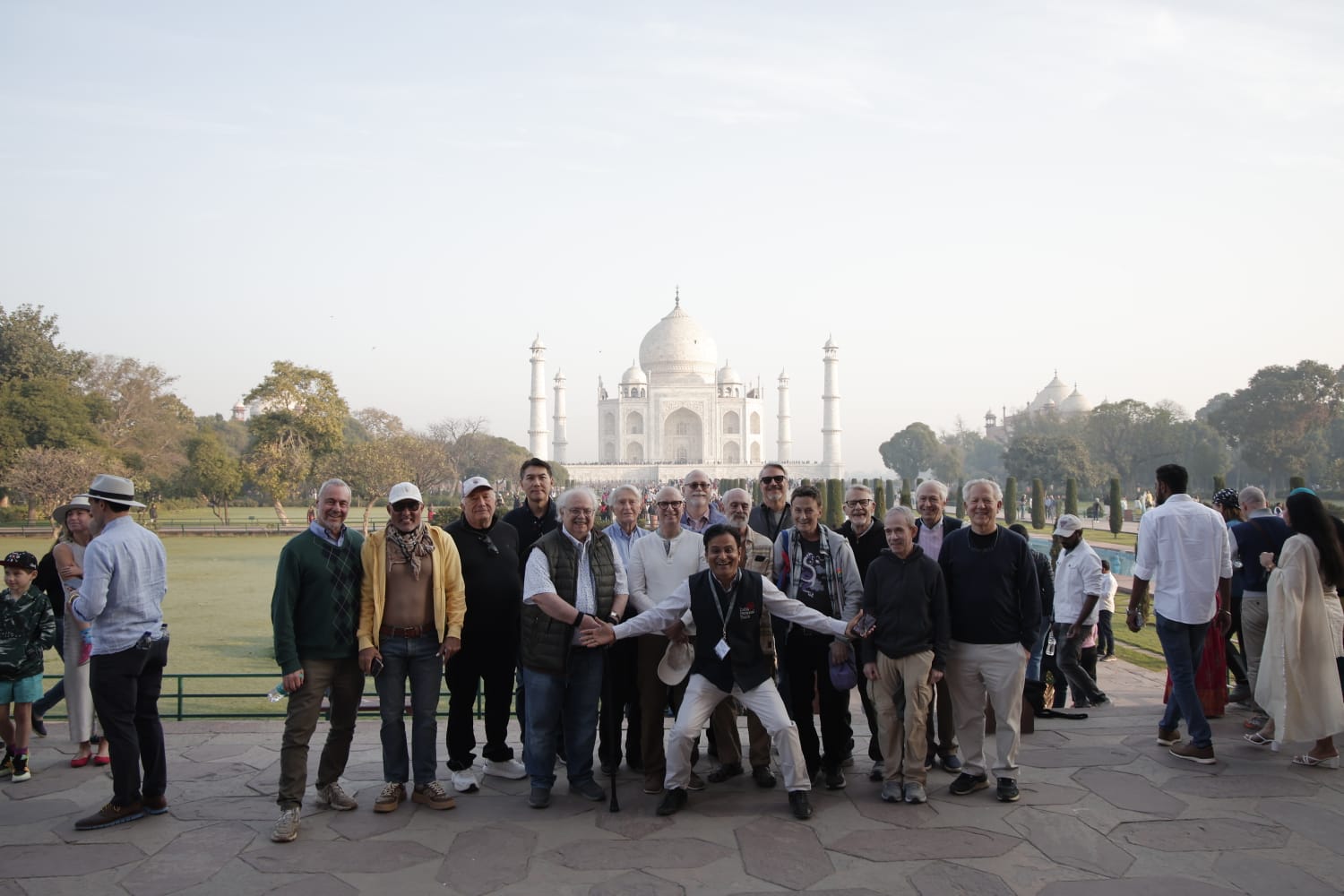
And you could also think about coming on Oscar Wilde Tours’ India tour in March, where we will see it all: the temples of Khajuraho, LOTS of Mughal palaces and royal tombs (e.g. the Taj Mahal, though that is a monument to a heterosexual love)—and one of the highpoints will be a visit with the young people in an LGBTQ+ shelter!